

How Regenerative Medicine Fits Into a Long-Term Pain Management Plan
Living with chronic pain can affect every part of daily life, from mobility and sleep to mood and overall quality of life. While short term solutions like medication or rest may provide temporary relief, many people are searching for options that support healing and long term improvement. This is where regenerative medicine can play an important role in a comprehensive pain management plan.
At Minnesota Regenerative Institute, regenerative treatments are used to support the body’s natural healing processes and help patients manage pain more effectively over time.
Understanding Long Term Pain Management
Long term pain management focuses on more than just masking symptoms. The goal is to reduce pain, improve function, and help patients return to the activities they enjoy. A successful plan often includes a combination of treatments that address both the source of pain and the factors that contribute to it.
These plans are typically personalized and may involve physical therapy, lifestyle changes, targeted medical treatments, and ongoing monitoring.
What Is Regenerative Medicine?
Regenerative medicine is an area of care that focuses on supporting the body’s ability to repair and regenerate damaged tissues. Rather than simply managing symptoms, regenerative treatments aim to improve the underlying condition contributing to pain.
These therapies are often used for joint pain, soft tissue injuries, and degenerative conditions. They are designed to work with the body’s natural healing response and may help reduce inflammation, support tissue repair, and improve function.
How it Supports Long Term Pain Relief
Regenerative medicine can complement other pain management strategies by addressing the root cause of pain rather than providing short lived relief. When used as part of a long term plan, regenerative treatments may help patients:
- Reduce chronic joint and musculoskeletal pain
- Improve mobility and range of motion
- Support tissue healing and recovery
- Decrease reliance on medications
- Delay or avoid more invasive procedures
By focusing on healing and function, regenerative medicine can help create more sustainable pain relief.
A Personalized Approach Matters
Not every patient or condition is the same. Regenerative medicine works best when it is part of a personalized treatment plan based on a thorough evaluation. Factors such as the location of pain, severity of symptoms, activity level, and overall health all play a role in determining whether regenerative care is appropriate.
At Minnesota Regenerative Institute, care plans are tailored to each patient’s needs and goals, ensuring treatments are used safely and effectively within a broader pain management strategy.
Combining Regenerative Medicine With Other Therapies
Regenerative medicine is often most effective when combined with complementary therapies. This may include physical therapy to strengthen and stabilize affected areas, movement and activity modifications, and lifestyle support to reduce stress on the body.
This integrative approach helps maximize results and supports long term success.
Is Regenerative Medicine Right for You?
If you are dealing with ongoing pain that has not responded well to traditional treatments, regenerative medicine may be worth exploring. A comprehensive consultation can help determine whether these therapies align with your condition and long term health goals.
Supporting Healing Beyond Short Term Relief
Managing chronic pain requires a thoughtful, long term strategy. Regenerative medicine offers a way to support the body’s natural healing abilities while working alongside other proven pain management approaches.
At Minnesota Regenerative Institute, we are committed to helping patients find lasting solutions that support comfort, movement, and quality of life. If you are looking for a more comprehensive approach to pain management, schedule a consultation today to learn how regenerative medicine may fit into your long term care plan.
Learn More
The Role of Chiropractic Care in Whole-Body Wellness
When most people think of chiropractic care, they picture adjustments for back or neck pain. While chiropractic treatment is highly effective for those conditions, its benefits go far beyond pain relief. Chiropractic care is a holistic approach that supports the nervous system, promotes natural healing, and contributes to overall wellness. At Minnesota Regenerative Institute in Baxter, MN, we help patients achieve more than just symptom relief—we focus on long-term health and whole-body well-being.
1. Chiropractic Care: More Than Back Pain Relief
Chiropractic care is centered around the spine, but because the spine protects the nervous system, adjustments have wide-reaching effects throughout the body. When spinal joints are misaligned or restricted (a condition known as subluxation), communication between the brain and body can be disrupted. This can affect mobility, posture, and even organ function.
By restoring alignment and improving mobility, chiropractic adjustments help the body function at its best—not just the back, but the entire system.
2. Supporting the Nervous System
The nervous system is the control center of the body, regulating everything from muscle movement to immune response. Spinal misalignments can create tension or pressure that interferes with nerve communication. Chiropractic adjustments release that tension, allowing signals to flow freely.
Benefits of a well-functioning nervous system include:
- Improved coordination and mobility
- Reduced pain and inflammation
- Enhanced immune function
- Better stress management
- Greater energy levels
3. Whole-Body Benefits
At Minnesota Regenerative Institute, we see how chiropractic care supports whole-body wellness every day. Some of the most surprising benefits include:
Pain Relief Without Medication
Chiropractic provides natural relief from headaches, migraines, joint pain, and muscle tension—without relying on drugs.
Improved Posture and Alignment
Regular adjustments correct imbalances caused by sitting, standing, or repetitive movements, reducing strain on muscles and joints.
Enhanced Mobility and Flexibility
Better spinal alignment leads to easier movement, less stiffness, and greater range of motion.
Better Sleep
By reducing pain and stress, chiropractic care often helps patients sleep more soundly.
Boosted Immune System
Research suggests chiropractic adjustments may improve immune system function by reducing nerve interference.
4. Chiropractic Care and Preventive Health
Chiropractic isn’t just for when you’re in pain. Regular care is an important part of preventive health. Just like exercise and good nutrition, adjustments help maintain balance and prevent issues from developing.
Preventive benefits include:
- Reducing the risk of injuries
- Keeping joints healthy as you age
- Supporting long-term spinal health
- Promoting faster recovery after physical stress
Many of our patients choose ongoing chiropractic care as part of a proactive wellness lifestyle.
5. Chiropractic and Whole-Body Approaches
At Minnesota Regenerative Institute, we believe in a whole-body approach to health. Chiropractic care works best when combined with other supportive strategies:
- Exercise therapy: Strengthens muscles and supports spinal alignment.
- Nutrition counseling: Provides the body with the fuel it needs to heal and thrive.
- Regenerative medicine: Helps restore tissue and joint health naturally.
- Lifestyle recommendations: Encourages healthier daily habits to reduce stress and prevent strain.
By addressing the body as a whole, we don’t just manage symptoms—we promote long-term wellness.
6. Conditions Chiropractic Care Can Help
Chiropractic is effective for a wide range of conditions, including:
- Back and neck pain
- Headaches and migraines
- Sciatica
- Joint pain (shoulders, knees, hips)
- Whiplash and accident-related injuries
- Poor posture
- Fatigue and stress-related tension
Whether you’re recovering from an injury, managing chronic pain, or simply want to feel your best, chiropractic care offers a safe, natural solution.
7. Why Choose Minnesota Regenerative Institute?
At Minnesota Regenerative Institute in Baxter, MN, we combine chiropractic expertise with regenerative therapies to create personalized care plans for every patient. Our team focuses on:
- Patient-centered care: Every treatment plan is tailored to your unique needs.
- Advanced techniques: We use modern chiropractic methods that are safe, gentle, and effective.
- Whole-body focus: We don’t just treat symptoms—we address the root cause.
- Compassionate team: We’re committed to guiding patients toward healthier, more active lives.
Make an Appointment Today
Chiropractic care is much more than a solution for back pain—it’s a natural, holistic approach to health that supports the entire body. From improving posture and mobility to boosting the immune system and preventing future problems, chiropractic care plays an essential role in whole-body wellness.
At Minnesota Regenerative Institute in Baxter, MN, we’re passionate about helping patients feel their best and live life fully. Whether you’re seeking pain relief, preventive care, or a wellness-focused lifestyle, chiropractic care can help you achieve your goals.
Schedule your consultation today and take the first step toward whole-body wellness with chiropractic care.
Learn More
Tech Neck & Screen Slouch: Realign with Chiropractic Care
In the age of digital connectivity, our bodies are paying the price. Whether you’re scrolling through your phone, working remotely on your laptop, or binge-watching your favorite series, your posture might be taking a serious hit. At Minnesota Regenerative Institute in Baxter, MN, we’re seeing more and more patients suffering from what’s been dubbed “Tech Neck” and “Screen Slouch.” But here’s the good news: you don’t have to live with chronic neck pain, tension headaches, or poor posture. Chiropractic care offers a safe, natural, and effective solution to realign your spine and restore your health.
What Is Tech Neck?
“Tech Neck” refers to the strain and damage caused by looking down at phones, tablets, or computers for extended periods. Imagine holding a 10- to 12-pound bowling ball (the average weight of a human head) forward from your shoulders for hours every day. That’s essentially what you’re doing when you tilt your head down while scrolling or typing.
Over time, this forward head posture puts abnormal pressure on the cervical spine (neck region). It can lead to:
- Neck pain and stiffness
- Shoulder tension
- Upper back discomfort
- Headaches
- Tingling or numbness in arms and hands
- Loss of neck mobility
According to research, for every inch your head moves forward, the pressure on your spine increases by 10 pounds. That’s a heavy burden on your spine, joints, and muscles every day.
Screen Slouch: More Than Just a Bad Habit
It’s not just the neck that’s affected. Screen Slouch—the rounded shoulders, hunched upper back, and collapsed chest we adopt when working at a desk or staring at a screen—can wreak havoc on your entire musculoskeletal system. Over time, poor posture can lead to:
- Chronic mid and lower back pain
- Shallow breathing
- Poor circulation
- Increased fatigue
- Decreased flexibility and core strength
- Poor digestion due to abdominal compression
And perhaps most concerning? Posture affects mood and mental performance. Studies have shown that people with better posture have improved energy, confidence, and focus.
Why Is Tech Neck So Prevalent?
Minnesota may be known for its lakes and outdoor recreation, but even here in Baxter, technology has become unavoidable. Whether you’re a student at Central Lakes College, a professional working from home, or someone keeping up with family on social media, screen time is nearly impossible to escape.
What makes this problem worse is how passive and unaware most of us are about our posture. Most people don’t realize the damage until pain starts interfering with daily life. And by that time, compensations have often spread throughout the body.
Chiropractic Care: A Modern Solution to a Modern Problem
At Minnesota Regenerative Institute, we take a whole-body approach to treating Tech Neck and Screen Slouch. Chiropractic care isn’t just about cracking backs—it’s about restoring balance, improving function, and supporting long-term health.
Here’s how chiropractic care helps realign your posture and alleviate the symptoms of tech-related strain:
1. Spinal Adjustments
Gentle, targeted adjustments to the cervical, thoracic, and lumbar spine help correct misalignments (subluxations) caused by poor posture. By restoring proper alignment, we reduce tension on surrounding muscles, nerves, and ligaments. You’ll likely notice:
- Improved range of motion
- Decreased neck and back pain
- Fewer tension headaches
- Better sleep and energy
2. Postural Rehab
We don’t stop at adjustments. Our team provides customized rehabilitative exercises that strengthen the muscles that support good posture—especially the deep neck flexors, scapular stabilizers, and core. These exercises retrain your body to hold proper alignment even outside the office.
3. Digital Posture Analysis
At our clinic in Baxter, MN, we use advanced technology to assess your posture objectively. This allows us to track improvements over time and adjust your care plan accordingly. It’s also a powerful visual aid to help you understand the relationship between posture and pain.
4. Lifestyle Coaching
Many cases of Tech Neck can be avoided with small changes in your daily routine. We’ll coach you on:
- Ergonomic desk setups
- Ideal screen height and distance
- Proper sleeping positions and pillows
- Stretching routines for daily maintenance
- Screen time limits and break reminders
What to Expect at Minnesota Regenerative Institute
We understand that no two patients are the same. When you visit us for Tech Neck or postural issues, your journey starts with a comprehensive consultation and neurological examination. Our team will evaluate:
- Spinal alignment and flexibility
- Muscle tone and imbalance
- Nerve function
- Posture under load and movement
- Overall wellness and lifestyle factors
Then we’ll create a personalized care plan tailored to your needs and goals. Whether you’re seeking relief from chronic pain, aiming to improve your posture, or wanting to avoid future problems, we’ll meet you where you are.
We also work closely with our regenerative medicine and physical therapy partners to provide a multi-disciplinary approach for the best outcomes.
The Cost of Ignoring Tech Neck
Here’s what can happen if Tech Neck and poor posture are left untreated:
- Disc degeneration: Chronic forward head posture increases stress on the discs in your cervical spine, leading to wear and possible herniation.
- Nerve impingement: Numbness, tingling, or weakness in the arms/hands may occur as nerves become compressed.
- Chronic tension headaches: Muscle tightness from poor posture can trigger frequent headaches.
- Reduced quality of life: Pain, poor sleep, low energy, and mental fatigue can take a toll on your relationships, work, and mood.
It’s not just about comfort—your posture affects every system in your body. Early intervention is key.
Real People, Real Results
Many of our Baxter-area patients come in suffering from neck pain, headaches, and fatigue—often not realizing that their screens are to blame. After a few weeks of targeted chiropractic care, the feedback we get is consistent:
- “I didn’t realize how bad my posture had gotten until I saw my before-and-after pictures.”
- “I can finally sleep through the night without neck pain.”
- “I don’t get migraines anymore.”
- “I feel taller, stronger, and more confident.”
You don’t have to live with tech-related pain. You don’t have to accept a hunched posture as your new normal. Chiropractic care can help you reset, realign, and regain control of your body.
Ready to Stand Tall Again?
If you’re experiencing signs of Tech Neck or Screen Slouch, don’t wait until the symptoms worsen. Your body was designed to move—and we’re here to help it move better.
At Minnesota Regenerative Institute in Baxter, MN, we’re passionate about helping people live pain-free, active lives without drugs or surgery. Our experienced chiropractors, therapists, and wellness team will guide you every step of the way.
Learn More
Understanding Knee Pain
Knee pain is one of the most common musculoskeletal complaints, affecting people of all ages and lifestyles. Whether you’re an athlete, an active senior, or someone with a physically demanding job, knee discomfort can interfere with your daily activities and quality of life. At Minnesota Regenerative Institute, we specialize in addressing the root causes of knee pain using cutting-edge regenerative therapies and non-invasive treatment options.
In this article, we’ll break down the most common causes of knee pain and explore the most effective treatment options available today.
Common Causes of Knee Pain
Understanding what’s causing your knee pain is the first step to effective treatment. Some of the most frequent causes include:
1. Osteoarthritis
This degenerative joint condition occurs when the cartilage that cushions your knee joint wears away over time. It’s especially common in individuals over 50 and can cause stiffness, swelling, and chronic pain.
2. Meniscus Tears
The meniscus is a C-shaped piece of cartilage that acts as a shock absorber in your knee. Tears can result from sports injuries or simple twisting motions and can lead to pain, locking, or swelling.
3. Ligament Injuries (ACL, MCL)
Knee ligaments can be sprained or torn, especially during high-impact activities or sudden changes in direction. Anterior Cruciate Ligament (ACL) injuries are particularly common in athletes.
4. Tendinitis
Overuse of the knee joint—common in runners and cyclists—can lead to inflammation of the tendons, known as patellar tendinitis. This often causes sharp pain during activity.
5. Bursitis
Inflammation of the small fluid-filled sacs (bursae) that cushion the knee joint can result from repetitive motion or pressure on the knee, leading to persistent pain and swelling.
Innovative Treatment Options at Minnesota Regenerative Institute
At Minnesota Regenerative Institute, we offer advanced, non-surgical solutions for knee pain that focus on healing the body from within. Our personalized care plans are designed to target the source of your pain and promote long-term recovery.
1. Regenerative Medicine
We utilize cutting-edge regenerative treatments, including platelet-rich plasma (PRP) therapy and cellular therapy, to stimulate the body’s natural healing process. These treatments can help repair damaged cartilage, ligaments, and tendons without surgery.
2. Chiropractic Care
Our expert chiropractors assess joint alignment and movement patterns to relieve pressure on the knee and restore proper biomechanics, helping reduce inflammation and pain.
3. Physical Rehabilitation
Custom rehabilitation plans strengthen the muscles surrounding the knee, improve mobility, and prevent future injuries. We use a combination of manual therapy, corrective exercises, and mobility training.
4. Joint Injections
When appropriate, we offer image-guided joint injections using natural, anti-inflammatory substances to provide targeted pain relief and support tissue healing.
When to See a Specialist
If knee pain persists for more than a few days, interferes with your mobility, or is accompanied by swelling, instability, or locking, it’s time to consult a specialist. Early intervention can prevent minor injuries from becoming chronic issues.
Why Choose Minnesota Regenerative Institute?
We are a leading provider of non-surgical pain relief in Minnesota, focused on helping patients avoid unnecessary medications and invasive procedures. Our integrated approach combines the best of regenerative medicine, physical therapy, and chiropractic care to deliver lasting results.
Ready to take the first step toward a pain-free life?
Contact Minnesota Regenerative Institute today to schedule your personalized knee evaluation.

How Regenerative Medicine Can Speed Up Recovery After a Sports Injury
Sports injuries, whether they’re a result of a sprained ankle, torn ligament, or overuse injury, can sideline athletes and active individuals, sometimes for weeks or even months. Fortunately, regenerative medicine offers a promising solution to speed up recovery and help you get back to doing what you love faster and more effectively. At Minnesota Regenerative Institute, we specialize in advanced, non-invasive treatments that harness your body’s natural healing abilities to accelerate recovery and restore function.
What is Regenerative Medicine?
Regenerative medicine refers to a group of medical treatments designed to promote the repair, replacement, or regeneration of damaged tissues and organs. In the case of sports injuries, regenerative therapies focus on stimulating your body’s natural healing processes to repair damaged tissues, reduce inflammation, and improve joint function.
Unlike traditional treatments that rely on surgery or pharmaceuticals, regenerative medicine uses your body’s own healing mechanisms to address the root cause of the injury. These treatments can significantly reduce recovery time and increase the chances of a full recovery, helping athletes return to their routines with less downtime.
Why Choose Regenerative Medicine for a Sports Injury?
Whether it’s a ligament tear, muscle strain, or joint injury, regenerative medicine therapies are designed to enhance the body’s natural healing processes. Traditional sports injury recovery methods often involve rest, ice, physical therapy, or even surgery, which can take a long time and leave athletes sidelined for extended periods. Regenerative medicine, however, offers several key advantages:
1. Reduced Recovery Time
By stimulating the body’s natural healing mechanisms, regenerative therapies can reduce downtime compared to conventional treatments. Many patients find that their recovery time is significantly shortened, allowing them to return to their sport or physical activities quicker.
2. Minimized Risk of Surgery
For certain injuries, regenerative medicine provides an alternative to invasive surgeries, which carry risks such as infection, scarring, and long recovery times. Many athletes opt for regenerative treatments to avoid surgery and the lengthy rehabilitation that often follows.
3. Non-Invasive and Minimal Side Effects
Regenerative medicine treatments are non-invasive and have minimal side effects. In most cases, recovery involves little more than rest and occasional follow-up appointments. This makes regenerative therapies an attractive option for athletes looking to return to play without the complications that come with surgery or long-term medications.
4. Targeted Healing
Regenerative medicine therapies focus on the precise location of the injury, delivering growth factors and healing substances directly to the area that needs the most support. This targeted healing approach ensures that the tissue gets the right kind of care, promoting faster and more effective recovery.
What to Expect at Minnesota Regenerative Institute
At Minnesota Regenerative Institute, our experienced team is dedicated to helping you recover from sports injuries using the latest regenerative treatments. During your consultation, we’ll conduct a thorough evaluation of your injury, discuss your recovery goals, and recommend a personalized treatment plan to accelerate healing. Whether you’re dealing with a recent injury or a chronic condition that has been holding you back, we’ll work with you to get you back to your active lifestyle as quickly and safely as possible.
Recover From Your Sports Injury
Don’t let a sports injury keep you from performing at your best. Discover how regenerative medicine can help speed up your recovery and get you back to your sport faster and stronger than ever before.
Contact Minnesota Regenerative Institute today to schedule a consultation and take the first step toward healing your injury the natural way.
Learn More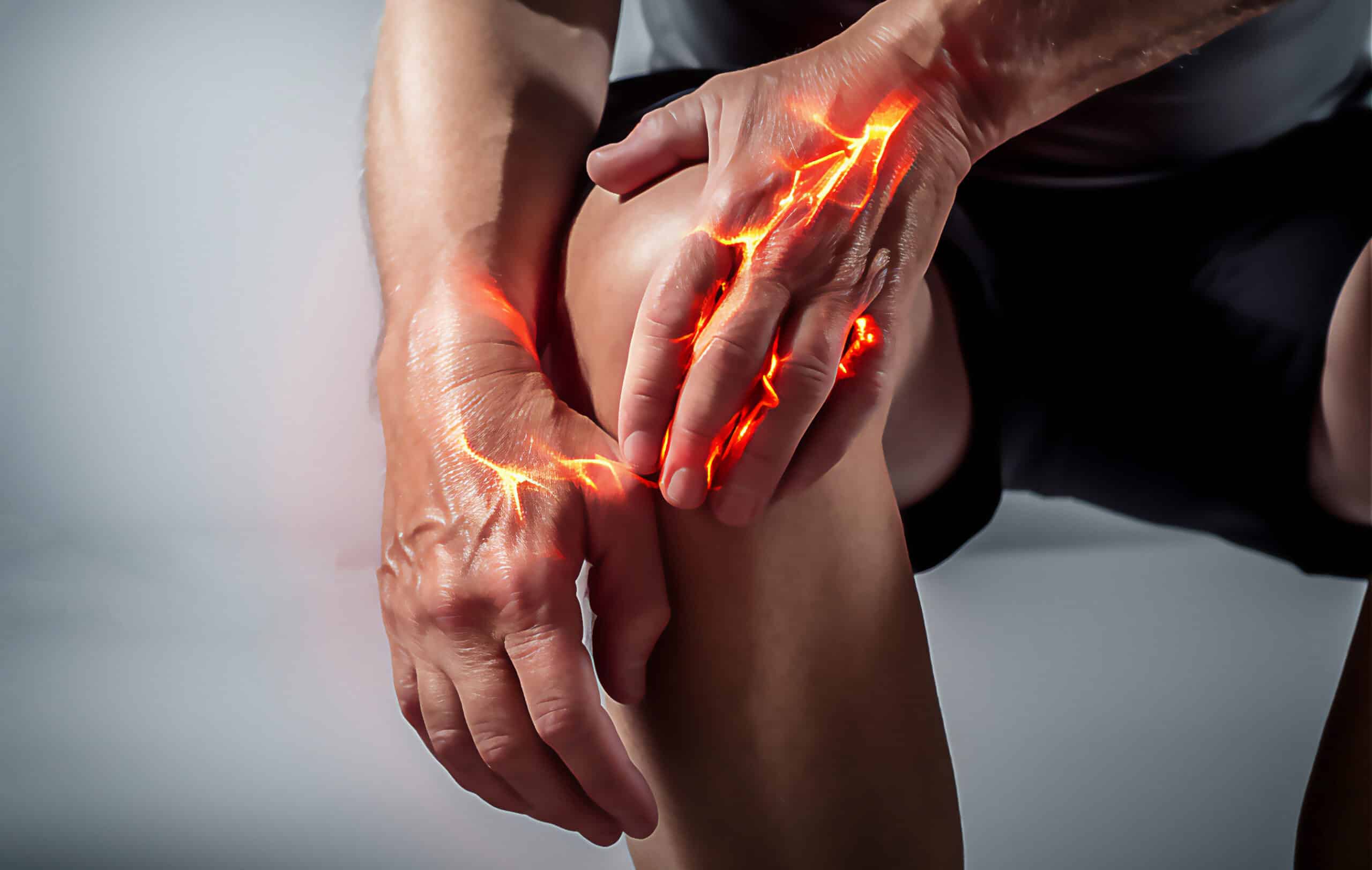
Why Regenerative Medicine Is the Future of Pain Relief
Chronic pain is one of the most widespread and challenging health issues people face today. Whether it’s back pain, joint discomfort, arthritis, or repetitive strain injuries, traditional treatments often provide only temporary relief—if any at all. Many people find themselves stuck in a cycle of medications, injections, and surgeries that don’t truly solve the problem. At Minnesota Regenerative Institute, we offer a different approach: regenerative medicine, a cutting-edge field that helps your body repair itself naturally.
What Makes Regenerative Medicine Different?
The goal of regenerative medicine is to heal, not just mask symptoms. It uses your body’s own cells and biological processes to repair damaged tissues, reduce inflammation, and restore function. Unlike painkillers that just numb the discomfort or surgeries that can be invasive with long recovery times, regenerative therapies target the source of pain and stimulate true healing from the inside out.
Conditions We Commonly Treat
- Osteoarthritis (knees, hips, shoulders, hands)
- Chronic back and neck pain
- Tendonitis and ligament injuries
- Degenerative joint conditions
- Sports injuries
- Plantar fasciitis
- Sciatica and nerve-related pain
The Long-Term Benefits
- Reduced or eliminated chronic pain
- Avoidance of surgery or prolonged medication use
- Enhanced mobility and joint function
- Faster recovery from injuries
- Improved quality of life
A Personalized Approach to Healing
At Minnesota Regenerative Institute, no two patients are treated exactly the same. We take the time to evaluate your condition, understand your goals, and tailor a regenerative treatment plan that fits your unique needs. Our focus is on helping you return to the activities you love—without pain holding you back.
Is Regenerative Medicine Right for You?
If you’ve tried everything for chronic pain and still don’t have lasting relief, regenerative medicine could be your next step. These natural, minimally invasive treatments are safe, effective, and backed by growing clinical research. Many patients notice improvement within weeks and continue to heal over time.
Take the Next Step Toward a Pain-Free Life
You don’t have to live with chronic pain. At Minnesota Regenerative Institute, we help you break free from the limitations pain can cause—naturally and effectively. Contact us today to schedule your consultation and discover how regenerative medicine can help restore your health and your freedom.
Learn More
The Importance of Hormone Replacement Therapy for Optimal Health at Minnesota Regenerative Institute
As we age, our bodies undergo various changes, many of which can impact our overall health and well-being. One of the most significant changes is the fluctuation or decline in hormone levels, which can lead to a variety of physical and emotional symptoms. For both men and women, hormone imbalances can contribute to issues such as fatigue, weight gain, mood swings, and reduced libido. Thankfully, Hormone Replacement Therapy (HRT) has emerged as a solution to restore hormonal balance, helping individuals achieve optimal health and improve their quality of life.
At Minnesota Regenerative Institute, we specialize in offering personalized hormone replacement therapies tailored to each individual’s needs. In this blog, we will explore the importance of HRT and how it can help you regain balance, vitality, and overall well-being.
What is Hormone Replacement Therapy (HRT)?
Hormone Replacement Therapy involves the use of bioidentical hormones to restore hormonal balance in the body. These hormones are chemically identical to those naturally produced by the body, and they can be administered in various forms, including pills, patches, injections, or creams. The goal of HRT is to supplement or replace hormones that are deficient or imbalanced, helping to alleviate symptoms associated with aging or other conditions that cause hormone fluctuations.
The Importance of HRT for Optimal Health
1. Improves Energy Levels and Reduces Fatigue
One of the most common complaints among individuals experiencing hormonal imbalances is persistent fatigue. Whether due to aging, menopause, or other health conditions, low levels of hormones like estrogen, progesterone, and testosterone can leave you feeling drained and lethargic. Hormone Replacement Therapy can restore these hormones, helping you regain energy, reduce fatigue, and feel more vibrant throughout the day.
2. Helps Maintain a Healthy Weight
Hormonal imbalances can disrupt your metabolism and lead to unexplained weight gain, particularly in the abdominal area. As we age, a decline in hormones such as thyroid hormone, estrogen, and testosterone can slow down metabolism, making it harder to maintain or lose weight. By restoring hormonal balance through HRT, you can boost metabolism, reduce fat storage, and achieve a healthier body weight. HRT can also improve muscle mass, which further supports a healthy metabolism.
3. Enhances Mood and Emotional Well-being
Hormonal imbalances are often linked to mood swings, irritability, anxiety, and depression. For women, fluctuations in estrogen and progesterone levels during perimenopause and menopause can lead to significant emotional and mental health challenges. Similarly, low testosterone levels in men can contribute to irritability, depression, and a decrease in motivation. By restoring hormones to their optimal levels, HRT can help stabilize mood, alleviate anxiety, and improve overall emotional well-being.
4. Boosts Libido and Sexual Health
A decline in sex hormones can lead to a reduced libido and other sexual health issues. For women, a drop in estrogen and testosterone levels during menopause can lead to vaginal dryness, discomfort during intercourse, and a lower desire for intimacy. For men, low testosterone levels can cause erectile dysfunction, reduced sex drive, and lower overall sexual satisfaction. HRT can help restore sexual health by balancing hormone levels, increasing libido, and improving overall sexual function for both men and women.
5. Supports Bone Health
As we age, a decline in estrogen levels in women and testosterone levels in men can lead to decreased bone density and an increased risk of osteoporosis. Hormone Replacement Therapy plays an important role in maintaining bone health by helping to preserve bone density, reducing the risk of fractures, and promoting overall skeletal strength. By optimizing hormone levels, HRT helps maintain healthy bones as we age.
6. Improves Sleep Quality
Hormonal imbalances, particularly during menopause, can contribute to sleep disturbances such as insomnia and night sweats. Low levels of estrogen and progesterone can affect the body’s ability to regulate temperature, leading to uncomfortable nighttime sweating and disrupted sleep patterns. HRT can help alleviate these symptoms, promote deeper, more restful sleep, and restore normal sleep cycles, helping you feel more rested and rejuvenated.
Why Choose Minnesota Regenerative Institute for HRT?
At Minnesota Regenerative Institute, we believe in offering personalized, comprehensive care for our patients. Our team of experts specializes in bioidentical hormone replacement therapy, and we take a holistic approach to understanding your unique health needs. Through careful evaluation and testing, we determine the best course of action to help restore your hormonal balance and improve your overall health.
We offer a variety of treatment options, including personalized hormone regimens and lifestyle adjustments, to ensure that your body responds well to therapy. Our goal is to help you achieve optimal health and wellness, whether you’re dealing with the effects of aging, hormone imbalances, or other health concerns. With our expertise and commitment to patient care, we work alongside you to create a treatment plan that works best for you.
Make an Appointment Today!
Hormone Replacement Therapy at Minnesota Regenerative Institute is an effective and proven way to restore hormonal balance, boost energy, improve mood, support bone and sexual health, and achieve overall well-being. If you’re struggling with symptoms related to hormone imbalances or simply want to optimize your health, HRT may be the solution you’ve been searching for. Our team is here to provide you with personalized care and support every step of the way. Contact us today to schedule a consultation and take the first step toward achieving optimal health and vitality through Hormone Replacement Therapy!
Learn More
Insurance-Covered IV Therapy at Minnesota Regenerative Institute
At Minnesota Regenerative Institute, patients can now access insurance-covered IV therapy. This treatment, combined with the support of insurance, provides a highly beneficial option for people seeking improved wellness and recovery. In this blog, we will explore the numerous benefits of IV therapy and how it’s more accessible than ever with insurance coverage.
What is IV Therapy?
Intravenous (IV) therapy is a treatment method that delivers fluids, vitamins, minerals, and medications directly into the bloodstream. This method is used for rehydration, boosting immune function, enhancing energy levels, and providing essential nutrients. It’s an efficient and effective way to address several health concerns, ranging from dehydration to chronic fatigue and more.
Benefits of IV Therapy
1. Improved Hydration: One of the primary uses of this treatment is hydration. The body absorbs fluids much more quickly and effectively via IVs compared to drinking water or other fluids. This is especially beneficial for those who are dehydrated due to illness, intense exercise, or other medical conditions.
2. Immune Boosting: IV therapy can provide an infusion of essential vitamins and minerals, such as Vitamin C, B vitamins, and magnesium, to help strengthen the immune system. This can reduce the duration of colds, flu, and other infections, and can be a powerful preventive measure against illness.
3. Enhanced Energy and Vitality: Many people struggle with low energy levels. This can be due to factors like stress, poor diet, and lack of sleep. IV therapy is an excellent way to give the body a quick nutrient boost that can leave you feeling more energized and revitalized.
4. Faster Recovery from Illness and Fatigue: Whether you’re recovering from a workout, an illness, or just an exhausting week, this treatment can speed up the recovery process. With targeted nutrients and hydration, your body has the resources it needs to heal faster.
5. Mental Clarity and Focus: It can improve cognitive function and mental clarity, helping you to feel more focused and clear-headed. It’s an excellent option for those dealing with brain fog, stress, or mental fatigue.
How Insurance Coverage Makes it Accessible
Minnesota Regenerative Institute understands that healthcare costs can be a barrier to accessing effective treatments.
Insurance Coverage: Previously, it was often considered an out-of-pocket expense for patients seeking the benefits of this treatment. However, with insurance-covered IV therapy, patients who are eligible can receive this service at a significantly reduced cost or even fully covered, depending on their plan.
Reduced Financial Barriers: Offering insurance coverage for this reduces the financial strain that many individuals may face when trying to access holistic and regenerative treatments. This opens the door to more people seeking wellness benefits and supports the overall goal of improving health through innovative, preventive methods.
Peace of Mind: Knowing that your insurance will help cover the cost of IV therapy provides peace of mind. You can receive the treatment you need without worrying about the high out-of-pocket expenses that might otherwise come with specialized health services.
How to Get Started
Getting started with Minnesota Regenerative Institute is simple. Here’s how to access this service with your insurance:
- Schedule a Consultation: Reach out to the Minnesota Regenerative Institute to schedule an initial consultation. During this meeting, you’ll discuss your goals, and our teaml will determine if IV therapy is a good fit for you.
- Verify Insurance Coverage: The Institute will work with you to verify your insurance coverage and confirm whether your plan covers IV therapy services. They’ll assist with the paperwork and ensure that you know what to expect regarding costs and treatment options.
- Personalized Treatment Plan: Once your insurance is verified, you’ll receive a personalized IV therapy plan tailored to your specific needs. Whether you’re looking to boost your immune system, recover from fatigue, or address another health concern, the treatment will be customized just for you.
- Ongoing Support: After starting IV therapy, the Institute will continue to monitor your progress and provide ongoing support to ensure that you’re seeing the desired benefits. They’ll adjust your treatment plan as needed and help you maintain a high level of wellness.
Make an Appointment Today
At Minnesota Regenerative Institute, the combination of insurance-covered IV therapy and a comprehensive approach to patient care is revolutionizing the way people access wellness treatments. The benefits of IV therapy are undeniable, from improving hydration and boosting immunity to enhancing energy levels and mental clarity. With the added support of insurance coverage, IV therapy is now more accessible to a wider range of patients, helping them achieve optimal health without breaking the bank.
If you’re ready to experience the transformative effects of IV therapy, reach out to Minnesota Regenerative Institute today. They’ll guide you through the process and help you unlock your full potential for a healthier, more vibrant life.
Learn More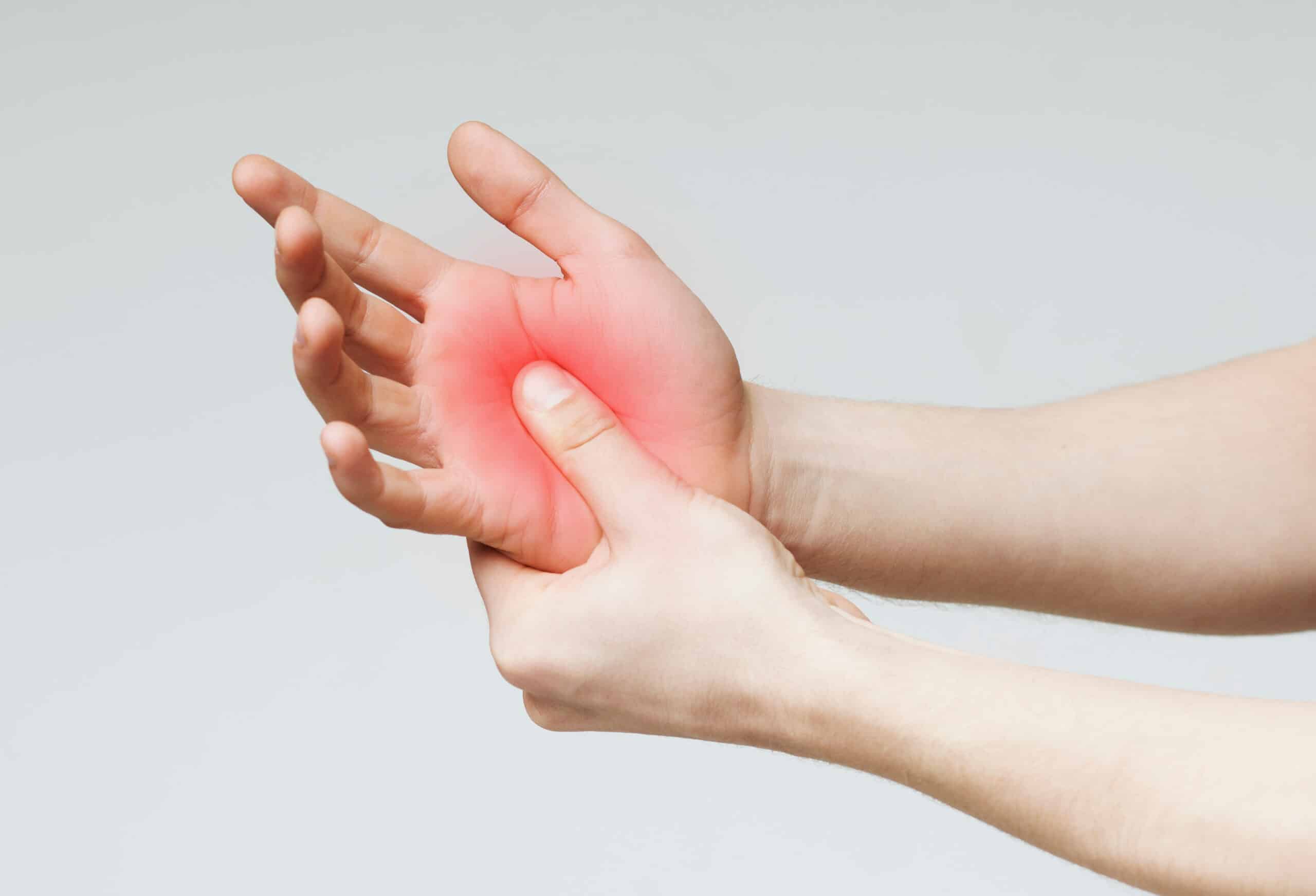
How Neuropathy Treatment Can Improve Your Quality of Life
Neuropathy is a condition that affects the nerves outside the brain and spinal cord. It can cause a range of symptoms, including pain, tingling, numbness, and weakness in the hands and feet. It can be caused by various factors, including diabetes, chemotherapy, alcohol use, or even certain autoimmune diseases. If you’re dealing with neuropathy, the good news is that there is hope for improvement and even recovery. At Minnesota Regenerative Institute, cutting-edge treatments are transforming the lives of individuals struggling with this debilitating condition.
What is Neuropathy?
Neuropathy refers to nerve damage that typically manifests in the peripheral nerves—the ones outside the brain and spinal cord. These nerves are responsible for sending signals between your brain and other parts of your body. When they’re damaged, it can lead to chronic pain, muscle weakness, and sensory disturbances like tingling or numbness.
While neuropathy is often linked to diabetes, other causes can include poor circulation, vitamin deficiencies, and infections. Regardless of the cause, the effects can be life-altering, significantly affecting your daily activities and overall quality of life.
The Minnesota Regenerative Institute Approach to Neuropathy Treatment
At Minnesota Regenerative Institute, the approach to treating neuropathy is rooted in advanced regenerative medicine. It focuses on healing and restoring the body’s natural ability to regenerate damaged tissues. Unlike traditional treatments that mainly address symptoms through medications, their treatments aim to target the root cause of nerve damage and repair the nerves at a cellular level.
Here are the primary regenerative treatments offered by the institute to treat neuropathy:
1. Regenerative Cell Therapy
Regenerative cell therapy involves using the body’s own cells to stimulate healing. Stem cells, which have the unique ability to regenerate and repair damaged tissue, are harvested and then introduced to the affected area. These cells help promote healing, reduce inflammation, and regenerate the damaged nerves, giving your body the chance to heal naturally.
This therapy can significantly reduce the pain and discomfort associated with neuropathy. In many cases, can restore lost nerve function, helping patients regain some normalcy in their lives.
2. Platelet-Rich Plasma (PRP) Therapy
PRP therapy involves extracting a small amount of your blood, concentrating the platelets, and then injecting them into the affected area. Platelets contain growth factors that are essential in tissue repair and regeneration. For neuropathy patients, PRP can help stimulate the repair of damaged nerves. This can reduce inflammation and promote healing at a cellular level.
With PRP therapy, patients experience reduced pain and inflammation. Further, they experience improved circulation, which plays a key role in nerve health.
3. Neurostimulation Therapy
Neurostimulation therapy uses electrical impulses to stimulate nerve tissue, promoting better function and reducing pain. This non-invasive treatment helps to retrain the damaged nerves to respond properly, improving sensations like touch and temperature sensitivity. It can also help increase blood flow to the affected areas, supporting nerve health and recovery.
For patients with severe neuropathy, neurostimulation can provide relief from chronic pain and restore some lost functionality, improving their ability to engage in everyday activities.
4. Laser Therapy
Low-level laser therapy (LLLT) is another innovative approach used at Minnesota Regenerative Institute. It uses specific wavelengths of light to stimulate cellular repair and regeneration. This painless treatment can help reduce inflammation, enhance blood circulation, and speed up the healing process in damaged nerve tissues.
Laser therapy can be an excellent adjunct to other regenerative treatments, speeding up the recovery process and providing faster relief for neuropathy symptoms.
How These Treatments Improve Quality of Life
When you’re dealing with neuropathy, everyday activities like walking, holding objects, or even typing can become incredibly challenging. The treatments at Minnesota Regenerative Institute are designed to not only alleviate pain but to improve your overall functionality and mobility. Here’s how these treatments can enhance your life:
- Pain Reduction: Chronic pain is a hallmark of neuropathy, but regenerative treatments work to reduce pain by promoting healing at the root of the problem. Many patients experience a significant reduction in discomfort, allowing them to live more comfortably.
- Improved Mobility: With treatments like regenerative cell therapy and neurostimulation, nerve function can be restored, leading to better mobility. Patients who have difficulty walking or performing simple tasks due to numbness or weakness often notice significant improvements in their ability to move freely.
- Better Sleep Quality: Neuropathy can often lead to disrupted sleep due to discomfort or pain. With successful treatment, many patients find that they can sleep better, leading to improved mental and physical well-being.
- Increased Independence: With restored nerve function and reduced pain, patients often regain their independence. They can return to the activities they love, whether it’s exercising, cooking, or spending time with family and friends, all of which contribute to a better quality of life.
- Reduced Reliance on Medications: Traditional treatments for neuropathy often rely on pain medications, which may only mask symptoms and come with side effects. The regenerative therapies at Minnesota Regenerative Institute provide long-term relief without the need for medication dependency.
Why Choose Minnesota Regenerative Institute?
What sets Minnesota Regenerative Institute apart is their commitment to personalized care. They don’t treat just the symptoms; they look at the whole person and work to address the root causes of neuropathy. The team of experts at the institute takes the time to understand your unique situation and tailor a treatment plan that’s right for you.
Moreover, their innovative and evidence-based approach to regenerative medicine provides patients with non-invasive options that have shown promising results in clinical studies. The treatments are safe, effective, and designed to promote long-term healing.
Take the First Step Toward a Better Quality of Life
If you’re struggling with neuropathy, the Minnesota Regenerative Institute can help you take control of your health and begin the journey toward improved well-being. With advanced treatments that focus on healing, you don’t have to live with the debilitating effects of nerve damage any longer.
Schedule a consultation today and discover how the regenerative therapies at Minnesota Regenerative Institute can transform your quality of life, helping you feel better, move better, and live better.
Learn More
Conditions Treated with Regenerative Medicine at Minnesota Regenerative Institute
Regenerative medicine is a groundbreaking approach to healing that uses the body’s natural ability to repair itself. At Minnesota Regenerative Institute, we specialize in providing advanced regenerative treatments to help you recover from a wide variety of conditions. Whether you’re dealing with a sports injury, chronic pain, or age-related degeneration, our treatments can help promote healing, reduce inflammation, and improve overall function.
Here are some of the most common conditions we treat with regenerative medicine at Minnesota Regenerative Institute:
1. Joint Pain and Osteoarthritis
Osteoarthritis is one of the most common causes of joint pain, affecting millions of people, especially as they age. It occurs when the cartilage that cushions your joints begins to wear down, causing pain, stiffness, and reduced mobility. Regenerative medicine treatments like stem cell therapy and platelet-rich plasma (PRP) therapy can help regenerate damaged cartilage, reduce inflammation, and promote healing, giving you lasting relief without the need for surgery.
2. Sports Injuries
Sports-related injuries, such as torn ligaments, tendons, and muscles, are common among active individuals and athletes. Injuries like rotator cuff tears, ACL tears, and tendonitis can significantly impact performance and quality of life. With regenerative treatments, we can accelerate the healing process, reduce pain, and improve mobility, allowing you to return to your favorite activities sooner.
3. Back and Neck Pain
Chronic back and neck pain is often caused by issues like herniated discs, degenerative disc disease, and spinal stenosis. Regenerative medicine can help by promoting the repair of damaged discs and tissues, reducing inflammation, and improving mobility. Whether your pain is from an injury or age-related wear and tear, our treatments can offer long-term relief without surgery.
4. Tendon and Ligament Injuries
Injuries to tendons and ligaments, such as tennis elbow, Achilles tendonitis, and patellar tendinopathy, can be stubborn and slow to heal. Traditional treatments often focus on pain management, but regenerative medicine offers a more effective approach by using stem cells and PRP to regenerate damaged tissue, speed up recovery, and reduce inflammation, allowing you to heal naturally.
5. Knee Pain and Cartilage Damage
Knee pain is a common issue, often caused by conditions like osteoarthritis, torn cartilage, and ligament damage. Regenerative medicine can provide a non-surgical option for healing by stimulating the regeneration of cartilage, reducing pain, and improving mobility. This helps patients avoid knee replacement surgery and get back to a more active, pain-free lifestyle.
6. Plantar Fasciitis
Plantar fasciitis is a common cause of heel pain, often caused by inflammation of the tissue that runs along the bottom of the foot. This condition can be difficult to treat with traditional methods, but regenerative treatments like PRP therapy can reduce inflammation, promote healing, and provide long-lasting relief, getting you back on your feet without surgery.
7. Hip Pain
Hip pain is a common issue, particularly in older adults, and it can be caused by conditions like hip osteoarthritis, bursitis, and labral tears. Regenerative medicine can help reduce inflammation, promote tissue repair, and improve joint function, providing an alternative to invasive hip replacement surgery.
8. Shoulder Pain
Shoulder injuries, including rotator cuff tears, shoulder arthritis, and bursitis, can cause significant pain and limit mobility. Regenerative therapies like stem cell injections and PRP can stimulate the healing of damaged tissue, reduce inflammation, and improve function, helping patients avoid surgery and return to their daily activities.
9. Chronic Headaches and Migraines
For those suffering from chronic headaches or migraines, regenerative medicine may offer relief. PRP therapy and stem cell treatments can help by reducing inflammation, improving blood flow, and promoting tissue healing, ultimately reducing the frequency and severity of headaches.
10. Hair Loss
Hair loss can be frustrating and impact self-confidence. Regenerative medicine treatments like PRP therapy have shown promise in promoting hair regrowth by stimulating the hair follicles and improving circulation to the scalp. This natural approach can help restore your hair without the need for invasive procedures.
11. Injuries to Soft Tissues
Whether it’s a muscle strain, ligament sprain, or other soft tissue injury, regenerative medicine offers a way to heal these injuries faster and more effectively. Treatments like stem cell injections and PRP can reduce pain and inflammation, promote tissue regeneration, and help you return to your active lifestyle with minimal downtime.
Why Choose Regenerative Medicine?
Regenerative medicine offers numerous advantages over traditional treatments. Some key benefits include:
- Non-Surgical: Regenerative therapies provide a non-invasive option for healing, reducing the need for surgery and long recovery times.
- Faster Healing: Stem cells and PRP can accelerate the body’s natural healing process, helping you recover quicker and get back to your daily activities.
- Long-Lasting Results: By addressing the root cause of your condition and promoting natural tissue regeneration, regenerative medicine can offer long-term relief, reducing the need for repeated treatments.
- Reduced Pain: Regenerative treatments help reduce inflammation and promote healing, resulting in less pain and improved function.
Is Regenerative Medicine Right for You?
If you’re struggling with chronic pain, injuries, or degeneration, regenerative medicine could be the solution you’ve been looking for. At Minnesota Regenerative Institute, we provide personalized treatments tailored to your specific needs, helping you heal naturally and regain your quality of life.
To learn more about how regenerative medicine can help you or to schedule a consultation, contact us today. We’re here to guide you on your journey to better health and pain relief.
Learn More