
Neuropathy Relief: Understanding Nerve Pain and Modern Solutions
Tingling in the feet. Burning sensations in the hands. Numbness that comes and goes—or never seems to go away. These symptoms are often associated with neuropathy, a condition involving damage or dysfunction of the nerves. For many individuals, nerve pain can interfere with sleep, mobility, and everyday comfort, making even simple tasks feel challenging. The encouraging news is that modern approaches to care continue to evolve, offering new pathways for relief and improved quality of life.
Understanding what neuropathy is, why it occurs, and what options are available can be an empowering first step toward feeling better.
What Is Neuropathy?
Neuropathy, often referred to as peripheral neuropathy, occurs when nerves outside the brain and spinal cord are damaged or irritated. These nerves are responsible for sending signals related to touch, temperature, pain, and movement. When communication is disrupted, the body may experience unusual or uncomfortable sensations.
Common symptoms include:
- Numbness or reduced ability to feel sensation
- Tingling or “pins and needles” feelings
- Burning or sharp pain
- Muscle weakness or cramping
- Sensitivity to touch
- Balance or coordination difficulties
Symptoms may appear gradually or suddenly and can range from mild to severe depending on the underlying cause and extent of nerve involvement.
What Causes Nerve Pain?
Neuropathy can develop for many reasons, which is why proper evaluation is essential. Some of the most common contributors include:
Diabetes
High blood sugar levels over time can damage nerve fibers, especially in the feet and lower legs.
Injuries or Repetitive Stress
Trauma, compression, or repeated strain can irritate nerves and disrupt signal transmission.
Circulatory Issues
Reduced blood flow may limit oxygen and nutrients that nerves need to function properly.
Autoimmune or Inflammatory Conditions
Chronic inflammation can place stress on nerve tissue.
Nutritional Deficiencies
Insufficient levels of certain vitamins—particularly B vitamins—can impact nerve health.
Medication Side Effects or Toxins
Certain medications or environmental exposures may contribute to nerve irritation.
Identifying the root cause helps guide the most appropriate path forward.
How Neuropathy Affects Daily Life
Nerve pain is not only physical—it can influence emotional well-being and independence as well. Persistent discomfort may interrupt sleep, reduce physical activity, and make routine tasks like walking, typing, or standing for long periods more difficult. Over time, these challenges can affect confidence and overall quality of life.
Because symptoms often begin subtly, many individuals delay seeking support until the discomfort becomes more intense. Early attention can make a meaningful difference in managing progression and improving comfort.
Traditional vs. Modern Approaches to Relief
Historically, neuropathy management has focused primarily on symptom control through medications or lifestyle adjustments. While these approaches may provide temporary relief, they do not always address underlying nerve health or circulation concerns.
Modern regenerative and non-surgical therapies aim to support the body’s natural repair processes and improve nerve function rather than simply masking discomfort. These approaches often focus on:
- Enhancing blood flow and oxygen delivery
- Supporting tissue repair and cellular regeneration
- Reducing inflammation
- Encouraging healthy nerve signaling
- Improving mobility and strength
Care plans are typically personalized, combining multiple techniques to match each individual’s health history and goals.
Lifestyle Habits That Support Nerve Health
In addition to professional care, daily habits play an important role in maintaining nerve function and reducing discomfort.
Stay Physically Active
Gentle movement such as walking, stretching, or low-impact exercise promotes circulation and muscle support.
Manage Blood Sugar Levels
For individuals with diabetes or prediabetes, balanced nutrition and regular monitoring are essential.
Prioritize Balanced Nutrition
Foods rich in B vitamins, antioxidants, and healthy fats can support nerve health.
Limit Alcohol and Tobacco Use
Both can negatively impact circulation and nerve function.
Focus on Quality Sleep
Rest allows the body to repair tissues and regulate inflammation.
These habits not only benefit nerve health but also support overall wellness and energy levels.
The Importance of Early Evaluation
Nerve pain is not something to ignore or simply “push through.” Because neuropathy can progress over time, early evaluation helps identify causes and create proactive strategies before symptoms intensify. Comprehensive assessments may include circulation checks, neurological evaluations, and functional movement reviews to better understand what the body needs.
Addressing nerve discomfort early can help individuals maintain independence, mobility, and comfort in their daily routines.
A Simple Nerve-Support Checklist
- Stretch or move daily to encourage circulation
- Maintain balanced blood sugar levels
- Eat nutrient-dense foods that support nerve health
- Stay hydrated
- Monitor changes in sensation or strength
- Seek professional evaluation when symptoms persist
Consistency with these steps can complement professional care and support long-term improvement.
Take the First Step Toward Relief — Schedule a Consultation Today
Living with nerve pain can feel frustrating and limiting, but you don’t have to navigate it alone. Modern regenerative and non-surgical options continue to provide new possibilities for individuals seeking comfort, mobility, and improved quality of life. If tingling, numbness, or burning sensations are affecting your daily routine, early support can make a meaningful difference. Contact Minnesota Regenerative Institute today to schedule a consultation and explore personalized solutions designed to help you move forward with greater comfort and confidence.
What Is Peripheral Neuropathy (and Can It Be Reversed)?
Understanding Peripheral Neuropathy
Peripheral neuropathy is a condition caused by damage to the peripheral nerves—the network that sends signals from your brain and spinal cord to the rest of your body. When nerves are damaged, they can’t communicate properly, leading to painful and disruptive symptoms.
Common Symptoms of Peripheral Neuropathy
- Numbness or tingling in the hands and feet
- Burning or stabbing pain
- Muscle weakness or loss of coordination
- Balance issues and increased risk of falls
- Sensitivity to touch or temperature changes
Peripheral neuropathy can develop from diabetes, chemotherapy, vitamin deficiencies, autoimmune disorders, infections, or physical trauma. In some cases, the cause remains unknown (idiopathic neuropathy).
Can You Reverse Peripheral Neuropathy?
The answer depends on the cause, severity, and timing of treatment.
Conventional Treatment Options
Traditional medicine often focuses on managing symptoms with:
- Prescription medications (antidepressants, anticonvulsants, pain relievers)
- Topical creams or patches
- Physical therapy or medical devices
- Nerve decompression surgery in some cases
While these can help reduce discomfort, they usually don’t repair nerve damage.
Regenerative Medicine for Neuropathy
At the Minnesota Regenerative Institute in Baxter, MN, a different approach is taken—one that targets healing at the source. Regenerative medicine and non-invasive therapies are designed to:
- Improve circulation and oxygen flow to damaged nerves
- Stimulate the body’s natural ability to repair nerve tissue
- Address underlying issues like inflammation or poor blood supply
- Provide long-term improvement instead of short-term masking of symptoms
Minnesota Regenerative Institute’s Neuropathy Treatment in Baxter, MN
Our clinic specializes in helping patients with neuropathy pain relief through a personalized, non-invasive program.
Our Comprehensive Approach Includes:
- Advanced diagnostic testing to evaluate nerve health
- Infrared and laser therapy to boost blood flow and promote healing
- Nutritional support and lifestyle guidance to fuel recovery
- Regenerative cell therapy designed to stimulate nerve repair at the cellular level
- Custom care plans tailored to your unique needs
This holistic program focuses on reducing pain, improving function, and restoring quality of life—naturally.
Why Early Treatment Matters
If left untreated, neuropathy can lead to permanent nerve damage. Acting early offers the best chance of reversing or improving symptoms. Our team’s goal is to help patients restore nerve health and independence—without relying on long-term medications.
Take Control of Your Neuropathy Today
If you’re struggling with neuropathy in Baxter, MN, you don’t have to settle for medications that only mask the pain. The Minnesota Regenerative Institute provides innovative, drug-free solutions that may help your body heal from the inside out.
Call today to schedule your consultation and learn how we can help you find relief from peripheral neuropathy symptoms.
Learn More
What Baxter Residents Need to Know About Neuropathy Treatment
If you’re experiencing burning, tingling, numbness, or sharp pain in your hands or feet, you’re not alone. Peripheral neuropathy affects millions of Americans—many right here in Baxter, MN—and it can have a serious impact on your daily life. At Minnesota Regenerative Institute, we offer advanced, non-invasive options to help you find real relief from neuropathy symptoms without relying solely on medications.
What Is Neuropathy?
Neuropathy is a condition that occurs when the nerves outside the brain and spinal cord become damaged. It often affects the hands, feet, legs, or arms and can result from diabetes, autoimmune disorders, injuries, or even certain medications. In many cases, the cause may be unknown, but the symptoms are very real—and potentially life-limiting.
Common Symptoms of Neuropathy:
- Numbness or tingling in hands or feet
- Burning or stabbing pain
- Muscle weakness
- Difficulty sleeping due to pain
- Balance problems or falls
If you’re noticing these signs, early treatment is key to stopping further nerve damage.
Why Neuropathy Needs More Than Just Medication
Most conventional treatments for neuropathy focus on masking symptoms with painkillers, antidepressants, or anti-seizure medications. While these may provide temporary relief, they don’t address the root cause of the nerve damage—and often come with side effects.
At Minnesota Regenerative Institute, we take a different approach.
Our Natural, Research-Backed Approach to Neuropathy Relief
Our team in Baxter, MN, specializes in non-invasive, drug-free neuropathy treatment that targets the underlying issues affecting your nerves. We use a combination of:
- Advanced diagnostic testing to identify nerve function
- Neuropathy-specific therapies to stimulate healing
- Infrared light therapy to increase blood flow and oxygen to damaged nerves
- Nutritional support and lifestyle coaching to help you heal from the inside out
This comprehensive, individualized care is designed to restore function, reduce pain, and improve quality of life.
Why Early Treatment Matters
Nerve damage can become permanent if left untreated. That’s why it’s so important to take action early. If you’re in the Baxter area and struggling with nerve pain, don’t wait for your symptoms to get worse. Our team is here to help you regain comfort, mobility, and peace of mind—naturally. Make an appointment today!
Learn More
Neuropathy: Causes, Symptoms, and How to Find Relief
Understanding Neuropathy: A Growing Concern
Neuropathy—commonly known as nerve damage—affects over 20 million people in the United States and is becoming increasingly common among aging adults, individuals with diabetes, and those with chronic health conditions. At Minnesota Regenerative Medicine, we understand how frustrating and debilitating nerve pain can be. That’s why we offer cutting-edge, non-surgical treatments designed to relieve pain, restore nerve function, and improve your quality of life.
In this blog, we’ll explore the causes, symptoms, and advanced treatment options available for neuropathy—so you can take the next step toward lasting relief.
What Is Neuropathy?
Neuropathy refers to damage or dysfunction of the peripheral nerves, which carry signals between your brain, spinal cord, and the rest of your body. This condition disrupts the communication system within your body, often leading to pain, weakness, and sensory problems—especially in the hands and feet.
There are many types of neuropathy, but the most common is peripheral neuropathy, which affects the nerves outside the brain and spinal cord.
Common Causes of Neuropathy
Neuropathy can have several root causes, but the most frequent include:
1. Diabetes
Diabetic neuropathy is the leading cause of peripheral nerve damage. Chronically high blood sugar levels damage nerves over time, especially in the legs and feet.
2. Injury or Trauma
Accidents, surgeries, or repetitive motion injuries can cause nerve compression or damage.
3. Autoimmune Diseases
Conditions like lupus, rheumatoid arthritis, or Guillain-Barre syndrome can lead to inflammation and nerve damage.
4. Infections
Certain viral and bacterial infections, such as shingles, Lyme disease, or HIV, can trigger neuropathy.
5. Vitamin Deficiencies
Deficiencies in vitamin B12, B6, and E are linked to nerve damage.
6. Chemotherapy or Toxic Exposure
Exposure to chemotherapy drugs, heavy metals, or industrial toxins may harm nerves.
7. Idiopathic Neuropathy
Sometimes, no clear cause can be identified. This is known as idiopathic neuropathy, and it accounts for up to 30% of cases.
Recognizing the Symptoms
Symptoms of neuropathy vary based on which nerves are affected. The most common include:
- Burning or tingling sensations
- Numbness in the hands or feet
- Sharp, stabbing pain
- Muscle weakness
- Loss of coordination or balance
- Increased sensitivity to touch
- Cramps or twitching
These symptoms may come and go, worsen at night, or become chronic without treatment. Early diagnosis is key to preventing long-term nerve damage.
How Minnesota Regenerative Medicine Can Help
Traditional treatments often rely on pain medications that mask symptoms but don’t address the root cause. At Minnesota Regenerative Medicine, we take a regenerative, whole-body approach to neuropathy relief. Our goal is not only to relieve your pain but also to stimulate healing and restore nerve function naturally.
Advanced Non-Surgical Treatment Options
Regenerative Medicine Therapies
We use platelet-rich plasma (PRP) and other regenerative biologics to stimulate tissue repair and promote nerve regeneration at the cellular level.
Class IV Laser Therapy
Laser therapy penetrates deep into tissues to reduce inflammation, improve circulation, and accelerate healing—making it highly effective for neuropathy-related pain.
Electrical Nerve Stimulation
Targeted nerve stimulation helps reactivate damaged nerves, increase blood flow, and restore nerve signaling.
Nutritional Support & Supplementation
We offer vitamin testing and customized supplementation to address nutritional deficiencies that may be contributing to your symptoms.
Personalized Wellness Plans
Each patient receives a tailored treatment program based on their unique condition, lifestyle, and goals—without relying on medications or surgery.
What to Expect at Your Consultation
When you visit our clinic, we’ll begin with a comprehensive consultation and neurological exam to determine the extent and source of your nerve damage. From there, we’ll recommend a personalized treatment plan designed to improve your symptoms and enhance your long-term health.
Don’t Ignore the Signs of Nerve Damage
Left untreated, neuropathy can lead to serious complications, including infections, falls, mobility issues, and permanent nerve loss. If you’re noticing numbness, tingling, or burning pain, now is the time to seek help.
Find Relief from Neuropathy in Minnesota
At Minnesota Regenerative Medicine, we specialize in non-invasive neuropathy treatment that works with your body—not against it. We’re committed to helping you move better, feel better, and live pain-free again.
Conveniently located in Minnesota, our clinic proudly serves patients from across the region who are looking for a drug-free, surgery-free solution to neuropathy pain.
Ready to Take the Next Step?
Contact us to learn more about how regenerative medicine can help you find lasting relief from neuropathy.
Learn More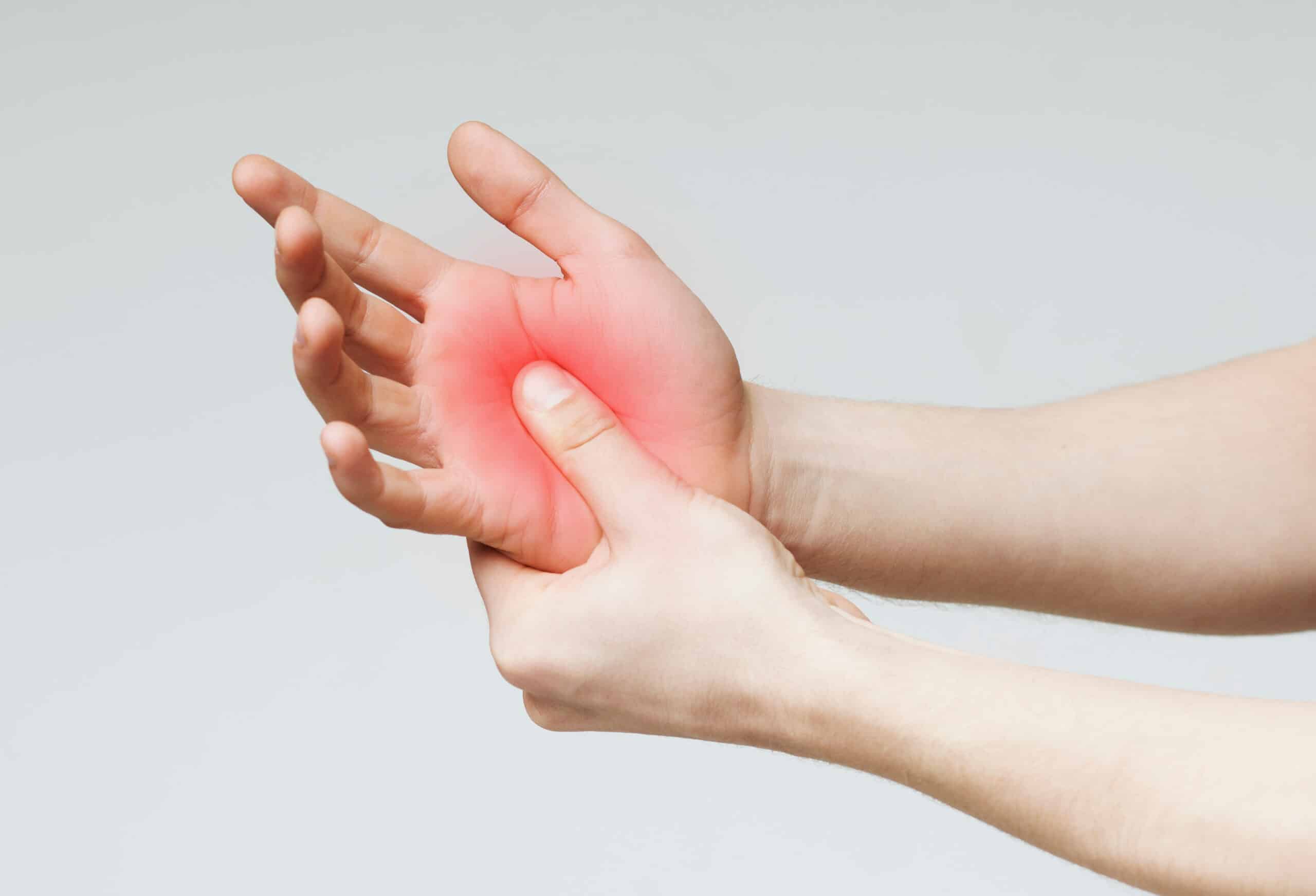
How Neuropathy Treatment Can Improve Your Quality of Life
Neuropathy is a condition that affects the nerves outside the brain and spinal cord. It can cause a range of symptoms, including pain, tingling, numbness, and weakness in the hands and feet. It can be caused by various factors, including diabetes, chemotherapy, alcohol use, or even certain autoimmune diseases. If you’re dealing with neuropathy, the good news is that there is hope for improvement and even recovery. At Minnesota Regenerative Institute, cutting-edge treatments are transforming the lives of individuals struggling with this debilitating condition.
What is Neuropathy?
Neuropathy refers to nerve damage that typically manifests in the peripheral nerves—the ones outside the brain and spinal cord. These nerves are responsible for sending signals between your brain and other parts of your body. When they’re damaged, it can lead to chronic pain, muscle weakness, and sensory disturbances like tingling or numbness.
While neuropathy is often linked to diabetes, other causes can include poor circulation, vitamin deficiencies, and infections. Regardless of the cause, the effects can be life-altering, significantly affecting your daily activities and overall quality of life.
The Minnesota Regenerative Institute Approach to Neuropathy Treatment
At Minnesota Regenerative Institute, the approach to treating neuropathy is rooted in advanced regenerative medicine. It focuses on healing and restoring the body’s natural ability to regenerate damaged tissues. Unlike traditional treatments that mainly address symptoms through medications, their treatments aim to target the root cause of nerve damage and repair the nerves at a cellular level.
Here are the primary regenerative treatments offered by the institute to treat neuropathy:
1. Regenerative Cell Therapy
Regenerative cell therapy involves using the body’s own cells to stimulate healing. Stem cells, which have the unique ability to regenerate and repair damaged tissue, are harvested and then introduced to the affected area. These cells help promote healing, reduce inflammation, and regenerate the damaged nerves, giving your body the chance to heal naturally.
This therapy can significantly reduce the pain and discomfort associated with neuropathy. In many cases, can restore lost nerve function, helping patients regain some normalcy in their lives.
2. Platelet-Rich Plasma (PRP) Therapy
PRP therapy involves extracting a small amount of your blood, concentrating the platelets, and then injecting them into the affected area. Platelets contain growth factors that are essential in tissue repair and regeneration. For neuropathy patients, PRP can help stimulate the repair of damaged nerves. This can reduce inflammation and promote healing at a cellular level.
With PRP therapy, patients experience reduced pain and inflammation. Further, they experience improved circulation, which plays a key role in nerve health.
3. Neurostimulation Therapy
Neurostimulation therapy uses electrical impulses to stimulate nerve tissue, promoting better function and reducing pain. This non-invasive treatment helps to retrain the damaged nerves to respond properly, improving sensations like touch and temperature sensitivity. It can also help increase blood flow to the affected areas, supporting nerve health and recovery.
For patients with severe neuropathy, neurostimulation can provide relief from chronic pain and restore some lost functionality, improving their ability to engage in everyday activities.
4. Laser Therapy
Low-level laser therapy (LLLT) is another innovative approach used at Minnesota Regenerative Institute. It uses specific wavelengths of light to stimulate cellular repair and regeneration. This painless treatment can help reduce inflammation, enhance blood circulation, and speed up the healing process in damaged nerve tissues.
Laser therapy can be an excellent adjunct to other regenerative treatments, speeding up the recovery process and providing faster relief for neuropathy symptoms.
How These Treatments Improve Quality of Life
When you’re dealing with neuropathy, everyday activities like walking, holding objects, or even typing can become incredibly challenging. The treatments at Minnesota Regenerative Institute are designed to not only alleviate pain but to improve your overall functionality and mobility. Here’s how these treatments can enhance your life:
- Pain Reduction: Chronic pain is a hallmark of neuropathy, but regenerative treatments work to reduce pain by promoting healing at the root of the problem. Many patients experience a significant reduction in discomfort, allowing them to live more comfortably.
- Improved Mobility: With treatments like regenerative cell therapy and neurostimulation, nerve function can be restored, leading to better mobility. Patients who have difficulty walking or performing simple tasks due to numbness or weakness often notice significant improvements in their ability to move freely.
- Better Sleep Quality: Neuropathy can often lead to disrupted sleep due to discomfort or pain. With successful treatment, many patients find that they can sleep better, leading to improved mental and physical well-being.
- Increased Independence: With restored nerve function and reduced pain, patients often regain their independence. They can return to the activities they love, whether it’s exercising, cooking, or spending time with family and friends, all of which contribute to a better quality of life.
- Reduced Reliance on Medications: Traditional treatments for neuropathy often rely on pain medications, which may only mask symptoms and come with side effects. The regenerative therapies at Minnesota Regenerative Institute provide long-term relief without the need for medication dependency.
Why Choose Minnesota Regenerative Institute?
What sets Minnesota Regenerative Institute apart is their commitment to personalized care. They don’t treat just the symptoms; they look at the whole person and work to address the root causes of neuropathy. The team of experts at the institute takes the time to understand your unique situation and tailor a treatment plan that’s right for you.
Moreover, their innovative and evidence-based approach to regenerative medicine provides patients with non-invasive options that have shown promising results in clinical studies. The treatments are safe, effective, and designed to promote long-term healing.
Take the First Step Toward a Better Quality of Life
If you’re struggling with neuropathy, the Minnesota Regenerative Institute can help you take control of your health and begin the journey toward improved well-being. With advanced treatments that focus on healing, you don’t have to live with the debilitating effects of nerve damage any longer.
Schedule a consultation today and discover how the regenerative therapies at Minnesota Regenerative Institute can transform your quality of life, helping you feel better, move better, and live better.
Learn More