

Knee pain is one of the most common musculoskeletal complaints, affecting people of all ages and lifestyles. Whether you’re an athlete, an active senior, or someone with a physically demanding job, knee discomfort can interfere with your daily activities and quality of life. At Minnesota Regenerative Institute, we specialize in addressing the root causes of knee pain using cutting-edge regenerative therapies and non-invasive treatment options.
In this article, we’ll break down the most common causes of knee pain and explore the most effective treatment options available today.
Common Causes of Knee Pain
Understanding what’s causing your knee pain is the first step to effective treatment. Some of the most frequent causes include:
1. Osteoarthritis
This degenerative joint condition occurs when the cartilage that cushions your knee joint wears away over time. It’s especially common in individuals over 50 and can cause stiffness, swelling, and chronic pain.
2. Meniscus Tears
The meniscus is a C-shaped piece of cartilage that acts as a shock absorber in your knee. Tears can result from sports injuries or simple twisting motions and can lead to pain, locking, or swelling.
3. Ligament Injuries (ACL, MCL)
Knee ligaments can be sprained or torn, especially during high-impact activities or sudden changes in direction. Anterior Cruciate Ligament (ACL) injuries are particularly common in athletes.
4. Tendinitis
Overuse of the knee joint—common in runners and cyclists—can lead to inflammation of the tendons, known as patellar tendinitis. This often causes sharp pain during activity.
5. Bursitis
Inflammation of the small fluid-filled sacs (bursae) that cushion the knee joint can result from repetitive motion or pressure on the knee, leading to persistent pain and swelling.
Innovative Treatment Options at Minnesota Regenerative Institute
At Minnesota Regenerative Institute, we offer advanced, non-surgical solutions for knee pain that focus on healing the body from within. Our personalized care plans are designed to target the source of your pain and promote long-term recovery.
1. Regenerative Medicine
We utilize cutting-edge regenerative treatments, including platelet-rich plasma (PRP) therapy and cellular therapy, to stimulate the body’s natural healing process. These treatments can help repair damaged cartilage, ligaments, and tendons without surgery.
2. Chiropractic Care
Our expert chiropractors assess joint alignment and movement patterns to relieve pressure on the knee and restore proper biomechanics, helping reduce inflammation and pain.
3. Physical Rehabilitation
Custom rehabilitation plans strengthen the muscles surrounding the knee, improve mobility, and prevent future injuries. We use a combination of manual therapy, corrective exercises, and mobility training.
4. Joint Injections
When appropriate, we offer image-guided joint injections using natural, anti-inflammatory substances to provide targeted pain relief and support tissue healing.
When to See a Specialist
If knee pain persists for more than a few days, interferes with your mobility, or is accompanied by swelling, instability, or locking, it’s time to consult a specialist. Early intervention can prevent minor injuries from becoming chronic issues.
Why Choose Minnesota Regenerative Institute?
We are a leading provider of non-surgical pain relief in Minnesota, focused on helping patients avoid unnecessary medications and invasive procedures. Our integrated approach combines the best of regenerative medicine, physical therapy, and chiropractic care to deliver lasting results.
Ready to take the first step toward a pain-free life?
Contact Minnesota Regenerative Institute today to schedule your personalized knee evaluation.
Related Posts
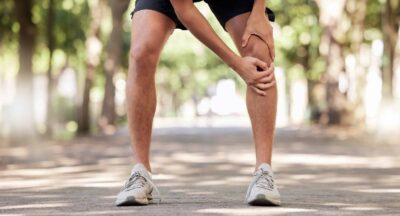
Understanding Knee Pain
Knee pain is one of the most common musculoskeletal complaints, affecting people...

Non-Surgical Relief for Knee Pain: What We Offer in Baxter
Knee pain can be frustrating, limiting, and even debilitating—especially when it...
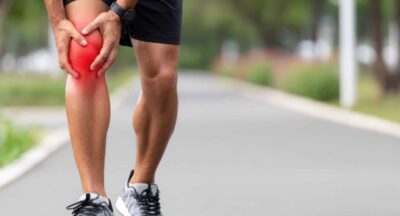
Knee Pain Without Injury? Here’s Why It Happens
Most of us expect knee pain after a fall, sports injury, or accident. But what...