

Medical Weight Loss & IV Therapy: Supporting Whole-Body Wellness
True wellness goes beyond a number on the scale. It’s about energy, metabolic balance, immune strength, mental clarity, and overall vitality. For individuals struggling with stubborn weight, fatigue, or nutritional deficiencies, a comprehensive approach can make all the difference. Medical weight loss combined with IV therapy offers a modern, personalized strategy designed to support whole-body wellness—addressing underlying imbalances rather than just symptoms.
At Minnesota Regenerative Institute, the focus is on sustainable results and supporting the body’s natural ability to function at its best.
Understanding Medical Weight Loss
Medical weight loss differs from traditional diet plans because it is guided by healthcare professionals and tailored to your unique physiology. Rather than relying on generic calorie restrictions, medical weight loss programs evaluate factors such as:
- Metabolism
- Hormonal balance
- Nutritional deficiencies
- Inflammation levels
- Lifestyle habits
- Underlying medical conditions
This personalized approach helps identify the root causes of weight gain or difficulty losing weight.
Why Weight Loss Can Be Challenging
Many individuals struggle with weight despite eating well and exercising regularly. Contributing factors may include:
- Insulin resistance
- Thyroid imbalances
- Chronic stress
- Poor sleep
- Inflammation
- Nutrient deficiencies
Without addressing these factors, traditional dieting may lead to temporary results rather than lasting change.
Benefits of a Medically Supervised Approach
A medically supervised weight loss plan offers several advantages:
- Customized nutrition guidance
- Professional monitoring for safety
- Support for metabolic health
- Accountability and structured planning
- Focus on long-term sustainability
Rather than quick fixes, the goal is to create healthier habits that support long-term wellness and energy.
What Is IV Therapy?
IV (intravenous) therapy delivers fluids, vitamins, minerals, and nutrients directly into the bloodstream. Because nutrients bypass the digestive system, they are absorbed more efficiently and quickly.
IV therapy may support:
- Energy levels
- Hydration
- Immune function
- Recovery from stress
- Nutrient replenishment
- Metabolic support
When paired with medical weight loss, IV therapy can enhance overall results by supporting the body at a cellular level.
How IV Therapy Complements Weight Loss
Sustainable weight management requires proper nutrient balance and hydration. IV therapy may assist by:
- Replenishing essential vitamins that support metabolism
- Enhancing energy for physical activity
- Supporting liver detoxification pathways
- Reducing fatigue during dietary adjustments
- Promoting overall vitality
When the body has adequate nutrients and hydration, it is better equipped to maintain consistent energy and metabolic function.
Supporting Whole-Body Wellness
Weight management is just one piece of overall health. A comprehensive plan often includes:
- Nutritional counseling
- Lifestyle and stress management strategies
- Hormonal support when appropriate
- Exercise guidance
- Ongoing progress monitoring
By addressing multiple aspects of wellness, individuals often experience benefits beyond weight loss, including improved sleep, clearer thinking, and enhanced physical performance.
The Importance of Personalization
No two bodies are exactly alike. What works for one person may not work for another. A personalized evaluation helps determine the safest and most effective combination of therapies for your specific goals and health history.
Monitoring progress over time ensures that adjustments can be made to optimize results and maintain safety.
Is Medical Weight Loss & IV Therapy Right for You?
Individuals who may benefit include those who:
- Struggle with stubborn weight gain
- Experience chronic fatigue
- Have difficulty maintaining energy levels
- Want medically supervised guidance
- Seek a comprehensive wellness approach
A consultation can help determine whether this combined strategy aligns with your health goals.
Take the First Step Toward Whole-Body Wellness
Achieving better health is about more than short-term results—it’s about creating a foundation for long-term vitality. Medical weight loss and IV therapy offer a personalized, supportive path toward improved energy, metabolic balance, and overall wellness. If you’re ready to explore a comprehensive approach to your health, contact Minnesota Regenerative Institute today to schedule your consultation and take the first step toward sustainable, whole-body wellness.
Learn More
Spinal Decompression & Chiropractic: A Non-Surgical Path to Back Pain Relief
Back pain can affect nearly every part of daily life: work, sleep, exercise, and even simple movements like bending or lifting. For many individuals, the idea of surgery or long-term medication feels overwhelming. The encouraging news is that non-surgical options continue to advance, offering effective solutions focused on restoring function and reducing discomfort naturally. Spinal decompression combined with chiropractic care represents a modern, conservative approach designed to relieve pressure, improve mobility, and support the body’s healing processes—without invasive procedures.
Understanding the Source of Back Pain
Back pain often develops due to structural stress within the spine. Common contributing factors include:
- Herniated or bulging discs
- Degenerative disc changes
- Sciatic nerve irritation
- Poor posture
- Repetitive strain or injury
- Sedentary lifestyle
Spinal discs act as cushions between vertebrae. When these discs become compressed, irritated, or damaged, they may press on nearby nerves, leading to pain, tingling, numbness, or weakness.
Addressing the root cause—rather than simply masking symptoms—is key to long-term relief.
What Is Spinal Decompression?
Spinal decompression is a non-surgical therapy designed to gently stretch the spine in a controlled, precise manner. This process creates negative pressure within the discs, which may help:
- Reduce pressure on compressed nerves
- Promote circulation to spinal structures
- Encourage nutrient flow to discs
- Support disc rehydration
- Relieve radiating pain
The treatment is typically performed on a specialized table that allows for customized positioning based on the patient’s condition and comfort level. Sessions are comfortable and gradual, focusing on restoring space between vertebrae.
The Role of Chiropractic Care
Chiropractic care complements spinal decompression by improving spinal alignment and mobility. Gentle adjustments help restore joint motion, reduce muscle tension, and enhance nervous system communication.
When the spine moves properly and pressure is reduced, the body is better positioned to heal and function efficiently. Chiropractic care often addresses:
- Joint misalignment
- Restricted motion
- Muscle imbalances
- Postural strain
- Nerve irritation
Together, spinal decompression and chiropractic adjustments create a comprehensive, non-invasive strategy for back pain management.
Conditions That May Benefit
Non-surgical spinal decompression and chiropractic care are commonly used to support individuals experiencing:
- Herniated or bulging discs
- Sciatica
- Chronic lower back pain
- Neck pain
- Degenerative disc disease
- Radiating leg or arm pain
Each care plan is tailored to the individual’s diagnosis, lifestyle, and comfort level.
Benefits of a Non-Surgical Approach
Many patients seek alternatives to surgery due to recovery time, cost, and potential risks. Conservative treatment offers several advantages:
- No incisions or anesthesia
- Minimal downtime
- Gradual, controlled therapy
- Personalized treatment plans
- Focus on restoring function
Rather than simply reducing pain temporarily, these therapies aim to improve spinal mechanics and overall stability.
Supporting Long-Term Relief
Professional treatment works best when paired with supportive lifestyle habits. To enhance outcomes:
- Maintain proper posture at work and home
- Take movement breaks if sitting for extended periods
- Strengthen core and back muscles
- Stay hydrated to support disc health
- Follow prescribed stretching or exercise recommendations
Consistency helps reinforce spinal improvements and prevent recurrence.
Early Attention Makes a Difference
Back pain rarely resolves fully on its own when structural compression is involved. Addressing symptoms early can help prevent worsening irritation and long-term degeneration. A comprehensive evaluation allows providers to identify the specific source of discomfort and determine whether spinal decompression and chiropractic care are appropriate options.
Find Relief Without Surgery — Schedule Your Consultation Today
Living with persistent back pain can feel limiting, but surgery is not always the only path forward. Non-surgical spinal decompression combined with chiropractic care offers a conservative, effective option for many individuals seeking lasting relief. If back or nerve pain is affecting your daily routine, now is the time to explore personalized solutions. Contact Minnesota Regenerative Institute today to schedule your consultation and take the first step toward improved comfort, mobility, and long-term spinal health.
Learn More
Neuropathy Relief: Understanding Nerve Pain and Modern Solutions
Tingling in the feet. Burning sensations in the hands. Numbness that comes and goes—or never seems to go away. These symptoms are often associated with neuropathy, a condition involving damage or dysfunction of the nerves. For many individuals, nerve pain can interfere with sleep, mobility, and everyday comfort, making even simple tasks feel challenging. The encouraging news is that modern approaches to care continue to evolve, offering new pathways for relief and improved quality of life.
Understanding what neuropathy is, why it occurs, and what options are available can be an empowering first step toward feeling better.
What Is Neuropathy?
Neuropathy, often referred to as peripheral neuropathy, occurs when nerves outside the brain and spinal cord are damaged or irritated. These nerves are responsible for sending signals related to touch, temperature, pain, and movement. When communication is disrupted, the body may experience unusual or uncomfortable sensations.
Common symptoms include:
- Numbness or reduced ability to feel sensation
- Tingling or “pins and needles” feelings
- Burning or sharp pain
- Muscle weakness or cramping
- Sensitivity to touch
- Balance or coordination difficulties
Symptoms may appear gradually or suddenly and can range from mild to severe depending on the underlying cause and extent of nerve involvement.
What Causes Nerve Pain?
Neuropathy can develop for many reasons, which is why proper evaluation is essential. Some of the most common contributors include:
Diabetes
High blood sugar levels over time can damage nerve fibers, especially in the feet and lower legs.
Injuries or Repetitive Stress
Trauma, compression, or repeated strain can irritate nerves and disrupt signal transmission.
Circulatory Issues
Reduced blood flow may limit oxygen and nutrients that nerves need to function properly.
Autoimmune or Inflammatory Conditions
Chronic inflammation can place stress on nerve tissue.
Nutritional Deficiencies
Insufficient levels of certain vitamins—particularly B vitamins—can impact nerve health.
Medication Side Effects or Toxins
Certain medications or environmental exposures may contribute to nerve irritation.
Identifying the root cause helps guide the most appropriate path forward.
How Neuropathy Affects Daily Life
Nerve pain is not only physical—it can influence emotional well-being and independence as well. Persistent discomfort may interrupt sleep, reduce physical activity, and make routine tasks like walking, typing, or standing for long periods more difficult. Over time, these challenges can affect confidence and overall quality of life.
Because symptoms often begin subtly, many individuals delay seeking support until the discomfort becomes more intense. Early attention can make a meaningful difference in managing progression and improving comfort.
Traditional vs. Modern Approaches to Relief
Historically, neuropathy management has focused primarily on symptom control through medications or lifestyle adjustments. While these approaches may provide temporary relief, they do not always address underlying nerve health or circulation concerns.
Modern regenerative and non-surgical therapies aim to support the body’s natural repair processes and improve nerve function rather than simply masking discomfort. These approaches often focus on:
- Enhancing blood flow and oxygen delivery
- Supporting tissue repair and cellular regeneration
- Reducing inflammation
- Encouraging healthy nerve signaling
- Improving mobility and strength
Care plans are typically personalized, combining multiple techniques to match each individual’s health history and goals.
Lifestyle Habits That Support Nerve Health
In addition to professional care, daily habits play an important role in maintaining nerve function and reducing discomfort.
Stay Physically Active
Gentle movement such as walking, stretching, or low-impact exercise promotes circulation and muscle support.
Manage Blood Sugar Levels
For individuals with diabetes or prediabetes, balanced nutrition and regular monitoring are essential.
Prioritize Balanced Nutrition
Foods rich in B vitamins, antioxidants, and healthy fats can support nerve health.
Limit Alcohol and Tobacco Use
Both can negatively impact circulation and nerve function.
Focus on Quality Sleep
Rest allows the body to repair tissues and regulate inflammation.
These habits not only benefit nerve health but also support overall wellness and energy levels.
The Importance of Early Evaluation
Nerve pain is not something to ignore or simply “push through.” Because neuropathy can progress over time, early evaluation helps identify causes and create proactive strategies before symptoms intensify. Comprehensive assessments may include circulation checks, neurological evaluations, and functional movement reviews to better understand what the body needs.
Addressing nerve discomfort early can help individuals maintain independence, mobility, and comfort in their daily routines.
A Simple Nerve-Support Checklist
- Stretch or move daily to encourage circulation
- Maintain balanced blood sugar levels
- Eat nutrient-dense foods that support nerve health
- Stay hydrated
- Monitor changes in sensation or strength
- Seek professional evaluation when symptoms persist
Consistency with these steps can complement professional care and support long-term improvement.
Take the First Step Toward Relief — Schedule a Consultation Today
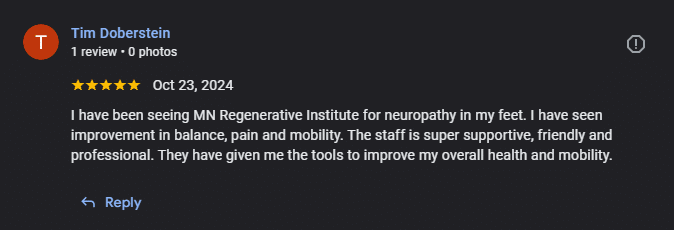
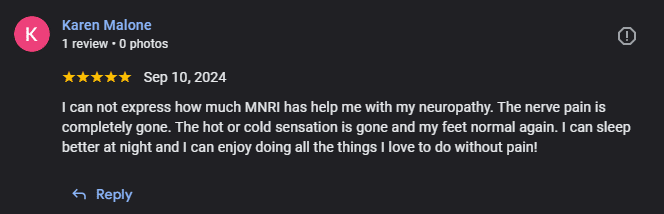
Living with nerve pain can feel frustrating and limiting, but you don’t have to navigate it alone. Modern regenerative and non-surgical options continue to provide new possibilities for individuals seeking comfort, mobility, and improved quality of life. If tingling, numbness, or burning sensations are affecting your daily routine, early support can make a meaningful difference. Contact Minnesota Regenerative Institute today to schedule a consultation and explore personalized solutions designed to help you move forward with greater comfort and confidence.

Regenerative Medicine: Healing Beyond Traditional Treatment
For many people living with chronic pain, joint injuries, or long-term inflammation, traditional treatment options often focus on managing symptoms rather than addressing the root cause. Pain medications, repeated injections, or even surgery can sometimes provide temporary relief, but they may not always lead to lasting healing. This is where regenerative medicine offers a different path — one centered on supporting the body’s natural ability to repair itself.
At Minnesota Regenerative Institute, regenerative therapies are designed to move beyond symptom control and focus on restoring function, reducing discomfort, and improving overall quality of life. Instead of masking pain, regenerative medicine works to encourage the body’s own healing processes.
What Is Regenerative Medicine?
Regenerative medicine is an advanced field of healthcare that focuses on stimulating the body’s natural repair mechanisms to heal damaged tissues, reduce inflammation, and improve mobility. Rather than replacing tissue through surgery or relying solely on medication, regenerative therapies aim to enhance how the body heals itself.
These treatments are often used for conditions affecting joints, tendons, ligaments, muscles, and even certain degenerative issues. The goal is not just relief, but restoration — helping the body return to healthier function over time.
How Regenerative Therapies Differ From Traditional Care
Traditional treatments for pain and injury frequently emphasize symptom management. For example:
- Pain medications may dull discomfort but do not repair damaged tissue.
- Steroid injections can reduce inflammation temporarily but may need to be repeated.
- Surgery can be effective in some cases, but it often involves downtime, risk, and extended recovery periods.
Regenerative medicine takes a different approach by focusing on long-term healing rather than short-term relief. Instead of simply covering up pain signals, regenerative therapies encourage the body to rebuild and strengthen weakened or damaged areas.
Common Conditions Treated With Regenerative Medicine
Regenerative treatments are increasingly used to address a wide range of musculoskeletal concerns. While not every condition is a candidate, many individuals seek regenerative care for:
- Knee, hip, or shoulder discomfort
- Arthritis and joint degeneration
- Tendon or ligament injuries
- Sports-related injuries
- Back and neck pain
- Chronic inflammation
- Limited mobility or stiffness
People who want to avoid surgery, reduce reliance on medication, or explore non-invasive options often find regenerative medicine appealing.
The Science Behind Natural Healing
The human body is built with remarkable healing abilities. When you cut your skin or strain a muscle, your body immediately begins repairing the damaged area. Regenerative medicine works by amplifying and directing this natural response.
While specific therapies vary, the core idea remains the same: introduce or stimulate biological elements that signal the body to repair tissue more effectively. This can promote healthier cell activity, improve circulation to the injured area, and reduce inflammation — all critical components of healing.
Benefits of Regenerative Medicine
One of the reasons regenerative therapies continue to grow in popularity is the wide range of potential benefits they offer. While outcomes vary by individual, many patients report:
- Reduced discomfort and inflammation
- Improved joint mobility and flexibility
- Faster recovery from injuries
- Enhanced physical function
- Reduced dependence on pain medications
- Non-surgical treatment options
- Minimal downtime compared to invasive procedures
Because these therapies work with the body rather than against it, they often feel like a more natural path to recovery for many individuals.
Who Is a Good Candidate?
Regenerative medicine is not a one-size-fits-all solution, which is why personalized evaluations are essential. Ideal candidates often include individuals who:
- Experience chronic joint or musculoskeletal discomfort
- Want to delay or avoid surgery
- Have not found lasting relief from traditional treatments
- Are active and wish to maintain mobility
- Prefer minimally invasive approaches
Age alone does not necessarily determine eligibility. Many adults of varying ages pursue regenerative care to maintain active lifestyles and preserve joint health.
The Importance of a Personalized Approach
Every body heals differently. Factors such as lifestyle, overall health, activity level, and the severity of the condition all influence outcomes. That’s why regenerative medicine emphasizes customized treatment planning rather than generic solutions.
A thorough consultation typically evaluates medical history, physical function, and patient goals. This ensures the chosen therapy aligns with the individual’s needs and expectations.
Healing Beyond Pain Relief
One of the most significant advantages of regenerative medicine is that it looks beyond immediate symptom control. Instead of asking, “How do we stop the pain today?” regenerative care asks, “How do we help the body function better tomorrow?”
This mindset shift can lead to long-term improvements in movement, strength, and overall wellness. Many patients find that as discomfort decreases, they are able to return to activities they once avoided — whether that’s exercising, gardening, traveling, or simply moving through daily life more comfortably.
Supporting Long-Term Wellness
Regenerative medicine works best when paired with healthy lifestyle habits. Movement, proper nutrition, hydration, and strength training all support the body’s healing processes. When combined with professional care, these habits can create a strong foundation for lasting results.
Patients are often encouraged to remain active within their comfort level, maintain balanced diets, and follow recommended rehabilitation or mobility exercises. Healing is not just about a single treatment — it’s about building a supportive environment for the body to thrive.
Looking Toward the Future of Care
As healthcare continues to evolve, regenerative medicine represents a promising direction focused on restoration rather than replacement. For many individuals seeking alternatives to surgery or long-term medication use, regenerative therapies provide hope for improved comfort and mobility.
At Minnesota Regenerative Institute, the mission is to empower patients with options that work with their bodies’ natural abilities. Healing does not always have to mean invasive procedures or endless symptom management. Sometimes, it means giving the body the tools it needs to repair, strengthen, and move forward with renewed confidence.
Regenerative medicine isn’t just about recovery — it’s about reclaiming movement, restoring function, and redefining what healing can look like.
Learn More
Why Lingering Injuries Hurt More in Winter
If old injuries seem to ache more once the temperature drops, you’re not imagining it. Many people notice increased pain, stiffness, and limited mobility during winter — especially in areas affected by past injuries. Cold weather can intensify symptoms and slow recovery, making lingering injuries harder to ignore.
At Minnesota Regenerative Institute, we help patients understand why winter makes pain worse and how regenerative medicine can support healing when traditional approaches fall short.
Cold Temperatures Increase Stiffness
Cold weather causes muscles, tendons, and ligaments to tighten. When soft tissues lose flexibility, joints don’t move as smoothly. This stiffness can place extra stress on areas that were previously injured, leading to discomfort and reduced range of motion.
Injured tissue is often already less resilient than healthy tissue, so it reacts more strongly to temperature changes. Even minor movements can feel more painful when tissues are tight and less elastic.
Reduced Blood Flow Slows Healing
Cold temperatures cause blood vessels to constrict, which limits circulation. Good blood flow is essential for delivering oxygen and nutrients that support tissue repair. When circulation decreases, healing slows — and pain signals may increase.
For people with chronic injuries, this reduced circulation can mean lingering inflammation sticks around longer, making symptoms more noticeable throughout winter.
Changes in Air Pressure Can Affect Joints
Seasonal drops in barometric pressure may contribute to joint discomfort. When pressure changes, tissues surrounding joints can expand slightly, increasing pressure within the joint space. Areas with prior damage or inflammation tend to be more sensitive to these shifts.
This is why old injuries often “predict the weather” before storms or cold fronts arrive.
Less Movement Makes Pain Worse
Winter often leads to more time indoors and less physical activity. Reduced movement can cause joints to stiffen and muscles to weaken — both of which increase pain over time.
While rest is important, too much inactivity allows lingering injuries to tighten and lose strength, creating a cycle of stiffness and discomfort that’s hard to break.
Inflammation Lingers Longer in Winter
Cold weather doesn’t cause inflammation, but it can make existing inflammation more noticeable. Past injuries often leave behind low-grade inflammation that flares up under stress. Winter habits like poor posture, inactivity, and cold exposure can amplify those symptoms.
Over-the-counter pain relievers may temporarily mask discomfort, but they don’t address the underlying tissue damage.
How Regenerative Medicine Can Help
Regenerative treatments focus on supporting the body’s natural healing processes rather than simply managing symptoms. By targeting damaged tissue directly, regenerative therapies aim to reduce inflammation, improve circulation, and promote long-term healing.
These treatments are especially helpful for injuries that haven’t responded to rest, physical therapy, or medications alone.
Don’t Let Winter Control Your Comfort
Lingering injuries don’t have to define your winter. Understanding why pain worsens this time of year allows you to take proactive steps toward relief and recovery.
At Minnesota Regenerative Institute, we specialize in helping patients find lasting solutions for chronic pain and old injuries. If winter is making your discomfort harder to manage, now is the time to explore options that support healing — not just temporary relief.
Schedule a consultation and take control of your comfort this season.
Learn More
How Regenerative Medicine Fits Into a Long-Term Pain Management Plan
Living with chronic pain can affect every part of daily life, from mobility and sleep to mood and overall quality of life. While short term solutions like medication or rest may provide temporary relief, many people are searching for options that support healing and long term improvement. This is where regenerative medicine can play an important role in a comprehensive pain management plan.
At Minnesota Regenerative Institute, regenerative treatments are used to support the body’s natural healing processes and help patients manage pain more effectively over time.
Understanding Long Term Pain Management
Long term pain management focuses on more than just masking symptoms. The goal is to reduce pain, improve function, and help patients return to the activities they enjoy. A successful plan often includes a combination of treatments that address both the source of pain and the factors that contribute to it.
These plans are typically personalized and may involve physical therapy, lifestyle changes, targeted medical treatments, and ongoing monitoring.
What Is Regenerative Medicine?
Regenerative medicine is an area of care that focuses on supporting the body’s ability to repair and regenerate damaged tissues. Rather than simply managing symptoms, regenerative treatments aim to improve the underlying condition contributing to pain.
These therapies are often used for joint pain, soft tissue injuries, and degenerative conditions. They are designed to work with the body’s natural healing response and may help reduce inflammation, support tissue repair, and improve function.
How it Supports Long Term Pain Relief
Regenerative medicine can complement other pain management strategies by addressing the root cause of pain rather than providing short lived relief. When used as part of a long term plan, regenerative treatments may help patients:
- Reduce chronic joint and musculoskeletal pain
- Improve mobility and range of motion
- Support tissue healing and recovery
- Decrease reliance on medications
- Delay or avoid more invasive procedures
By focusing on healing and function, regenerative medicine can help create more sustainable pain relief.
A Personalized Approach Matters
Not every patient or condition is the same. Regenerative medicine works best when it is part of a personalized treatment plan based on a thorough evaluation. Factors such as the location of pain, severity of symptoms, activity level, and overall health all play a role in determining whether regenerative care is appropriate.
At Minnesota Regenerative Institute, care plans are tailored to each patient’s needs and goals, ensuring treatments are used safely and effectively within a broader pain management strategy.
Combining Regenerative Medicine With Other Therapies
Regenerative medicine is often most effective when combined with complementary therapies. This may include physical therapy to strengthen and stabilize affected areas, movement and activity modifications, and lifestyle support to reduce stress on the body.
This integrative approach helps maximize results and supports long term success.
Is Regenerative Medicine Right for You?
If you are dealing with ongoing pain that has not responded well to traditional treatments, regenerative medicine may be worth exploring. A comprehensive consultation can help determine whether these therapies align with your condition and long term health goals.
Supporting Healing Beyond Short Term Relief
Managing chronic pain requires a thoughtful, long term strategy. Regenerative medicine offers a way to support the body’s natural healing abilities while working alongside other proven pain management approaches.
At Minnesota Regenerative Institute, we are committed to helping patients find lasting solutions that support comfort, movement, and quality of life. If you are looking for a more comprehensive approach to pain management, schedule a consultation today to learn how regenerative medicine may fit into your long term care plan.
Learn More
Why Cold Weather Makes Joint and Nerve Pain Feel Worse
If you’ve ever noticed your joint or nerve pain flares up when temperatures drop, you’re not imagining it. For many people in Minnesota, cold weather can make chronic pain conditions feel more intense, more frequent, and harder to manage. At Minnesota Regenerative Institute, we often hear from patients who experience worsening discomfort during the colder months—and there are real physiological reasons behind it.
Understanding why cold weather affects pain can help you take proactive steps toward relief.
How Cold Temperatures Affect the Body
Cold weather causes several changes in the body that can directly impact joints, muscles, and nerves. When temperatures drop, blood vessels naturally constrict to conserve heat. While this is a normal response, reduced blood flow can lead to increased stiffness and sensitivity in affected areas.
Cold weather may contribute to:
- Joint stiffness and reduced flexibility
- Increased muscle tension
- Heightened nerve sensitivity
- Slower circulation to injured or inflamed tissues
These changes can make existing pain conditions feel more pronounced.
Why Joint Pain Often Worsens in Cold Weather
Many patients with arthritis, old injuries, or degenerative joint conditions report increased pain during colder months. Lower temperatures can cause the fluid inside joints to thicken, making movement more difficult and uncomfortable.
Additionally, barometric pressure changes—which often accompany cold weather—may affect the pressure inside joints, leading to increased discomfort or aching sensations.
Common joint conditions affected by cold weather include:
- Osteoarthritis
- Rheumatoid arthritis
- Degenerative joint disease
- Prior joint injuries
Cold Weather and Nerve Pain
Nerve pain can also intensify during colder months. Cold temperatures can increase nerve sensitivity, especially in individuals with conditions such as neuropathy, sciatica, or nerve compression.
When muscles tighten in response to cold, they may place additional pressure on surrounding nerves, triggering symptoms such as:
- Sharp or shooting pain
- Tingling or numbness
- Burning sensations
- Increased sensitivity to touch
For many patients, this makes winter one of the most challenging seasons for managing nerve-related pain.
Reduced Activity Can Make Pain Worse
Cold weather often leads to less movement and physical activity. While resting may seem helpful, prolonged inactivity can actually worsen joint stiffness and muscle tightness, contributing to increased pain over time.
Staying gently active helps:
- Maintain joint mobility
- Improve circulation
- Reduce stiffness
- Support overall musculoskeletal health
How Regenerative Medicine May Help
At Minnesota Regenerative Institute, we focus on advanced regenerative therapies designed to support the body’s natural healing processes. These treatments may help address the underlying causes of joint and nerve pain rather than simply masking symptoms.
Regenerative approaches are often used to:
- Reduce inflammation
- Support tissue repair
- Improve joint function
- Promote long-term pain relief
Our personalized treatment plans are designed to help patients stay active and comfortable—no matter the season.
Take Control of Pain This Winter
Cold weather doesn’t have to mean months of increased pain. If joint or nerve discomfort is interfering with your daily life, exploring advanced treatment options may help you find lasting relief.
The team at Minnesota Regenerative Institute is here to help you understand your pain and explore solutions tailored to your needs—so you can stay comfortable, mobile, and confident throughout Minnesota winters.
Learn More
Why January Is the Right Time to Address Lingering Joint Issues
The start of a new year often brings a renewed focus on health. January is when many people take stock of how their bodies feel, what they want to improve, and what they’ve been putting off. For individuals dealing with lingering joint pain, stiffness, or limited mobility, this reflection can be especially revealing.
If joint discomfort followed you through the holidays or worsened during winter, January is not just a symbolic fresh start—it is a practical and powerful time to finally address the underlying issues affecting your joints.
At Minnesota Regenerative Institute, we see January as an opportunity to reset, rebuild, and support joint health at its root rather than simply masking symptoms.
Winter Often Makes Joint Pain More Noticeable
Cold weather tends to highlight joint issues that may feel manageable during warmer months. Many people notice increased stiffness, aching, or reduced range of motion in winter. This happens for several reasons:
- Cold temperatures can cause muscles, tendons, and ligaments to tighten
- Reduced activity levels during winter can lead to joint stiffness
- Changes in barometric pressure may affect joint sensitivity
- Holiday travel, long periods of sitting, and disrupted routines add stress to joints
By January, these factors often catch up with the body. Pain that was once occasional may feel persistent, and stiffness may last longer in the morning or after sitting.
Rather than waiting for spring, addressing joint concerns early in the year helps prevent small problems from becoming larger limitations.
Lingering Joint Issues Rarely Resolve on Their Own
One of the most common reasons people delay addressing joint pain is hope that it will “just go away.” Unfortunately, lingering joint issues are often a sign of underlying inflammation, degeneration, or tissue stress that does not improve without proper support.
Common signs that joint issues need attention include:
- Pain that lasts longer than a few weeks
- Stiffness that improves slowly or returns quickly
- Swelling or tenderness around a joint
- Reduced mobility or difficulty with everyday movements
- Discomfort that interferes with sleep or exercise
January is an ideal time to address these symptoms before compensatory movement patterns develop, which can place added strain on surrounding joints and muscles.
A New Year Is the Best Time to Break the Cycle of “Managing” Pain
Many people spend months—or years—managing joint pain rather than resolving it. Over-the-counter medications, temporary rest, or pushing through discomfort may provide short-term relief, but they often fail to address why the pain exists in the first place.
January creates a mental and physical reset point. This mindset shift makes it easier to move away from reactive pain management and toward proactive, regenerative care that supports healing and long-term function.
Starting care early in the year also allows time for the body to respond and rebuild before spring and summer activities increase.
Regenerative Care Supports the Body’s Natural Healing Processes
At Minnesota Regenerative Institute, our approach to joint health focuses on supporting the body’s innate ability to repair and restore tissue. Rather than masking pain, regenerative care aims to improve joint function, reduce inflammation, and promote tissue resilience.
Depending on individual needs, care plans may focus on:
- Supporting joint tissue health and repair
- Reducing chronic inflammation
- Improving circulation and nutrient delivery to joints
- Restoring mobility and strength
- Enhancing overall movement quality
January is an ideal time to begin this process because consistency and early intervention can lead to more meaningful, lasting improvements over the year ahead.
Addressing Joint Issues Early Helps You Stay Active All Year
Many people delay care until pain interferes with major life moments—travel, hobbies, family activities, or exercise routines. Starting care in January allows you to work toward better joint function before these moments arrive.
When joint health improves, people often notice benefits such as:
- Increased confidence in movement
- Improved flexibility and range of motion
- Reduced stiffness during cold months
- Better tolerance for exercise and daily activities
- Improved quality of life and independence
Addressing joint issues early helps set the foundation for an active, fulfilling year instead of one shaped by discomfort and limitation.
January Supports Consistency and Routine
Healing requires consistency, and January naturally supports routine-building. Schedules tend to stabilize after the holidays, making it easier to prioritize appointments, movement, and supportive lifestyle habits.
This consistency allows care plans to unfold gradually and effectively, giving the body time to respond without interruptions. Establishing healthy joint-supportive routines early in the year increases the likelihood of long-term success.
Joint Health Is Connected to Whole-Body Wellness
Joint pain does not exist in isolation. It often intersects with inflammation, stress, posture, muscle imbalances, and overall metabolic health. Addressing joint concerns in January often leads to broader improvements in well-being.
Many individuals find that supporting joint health also helps them:
- Move more comfortably and confidently
- Improve sleep quality
- Re-engage with exercise or rehabilitation
- Reduce reliance on pain-relief medications
- Feel more in control of their health
This whole-body approach aligns with the mission of Minnesota Regenerative Institute: supporting health from the inside out.
Start the Year by Investing in Your Mobility
Mobility is one of the most valuable assets for long-term health. January is a powerful reminder that the choices made now influence how the body feels throughout the year.
If joint pain has been lingering, worsening, or limiting your quality of life, now is the time to take action. Addressing joint issues early allows for thoughtful, supportive care that prioritizes healing, function, and resilience.
At Minnesota Regenerative Institute, we believe the new year should begin with hope, movement, and momentum—not pain. January is not just a fresh start on the calendar; it is an opportunity to rebuild your foundation for the year ahead.
Learn More
New Year, New Healing Habits: Simple Lifestyle Changes That Support Pain Relief in 2026
The start of a new year is a powerful opportunity to reset daily routines and focus on habits that support long-term health. For individuals living with chronic pain, stiffness, or limited mobility, small lifestyle changes can play a meaningful role in reducing discomfort and improving quality of life.
While advanced regenerative therapies can support the body’s natural healing processes, daily habits often determine how well those treatments perform and how your body feels day to day. As 2026 begins, building supportive healing habits can help reduce inflammation, improve movement, and promote more sustainable pain relief.
Why Lifestyle Habits Matter for Pain Relief in the New Year
Pain is rarely caused by a single factor. Inflammation, poor movement patterns, stress, nutrition, sleep quality, and past injuries all influence how the body heals and responds to treatment.
Healthy lifestyle habits help create an internal environment where healing is more likely to occur. When the body is supported through proper movement, nourishment, rest, and stress management, pain symptoms often become easier to manage and less disruptive to daily life.
The goal is not perfection, but consistency.
Prioritize Daily Movement Without Overdoing It
Movement is one of the most effective ways to support joint health, circulation, and tissue repair. Many people with chronic pain avoid movement out of fear of worsening symptoms, but inactivity can actually increase stiffness and discomfort over time.
Gentle, consistent movement helps lubricate joints and maintain muscle strength. Walking, stretching, swimming, yoga, and mobility exercises are often well tolerated and beneficial. The key is choosing activities that feel supportive rather than exhausting or painful.
Listening to your body and progressing gradually helps reduce flare-ups while encouraging long-term improvement.
Focus on Anti-Inflammatory Nutrition
What you eat can significantly influence inflammation levels throughout the body. Diets high in processed foods, refined sugars, and unhealthy fats tend to promote inflammation, which can intensify pain symptoms.
In 2026, focus on whole, nutrient-dense foods such as vegetables, fruits, lean proteins, healthy fats, and complex carbohydrates. Omega-3-rich foods like fatty fish, walnuts, and flaxseed are especially helpful for joint and tissue health.
Staying well hydrated also supports circulation, joint lubrication, and muscle function, all of which contribute to pain management.
Improve Sleep to Support Healing
Sleep is one of the most overlooked components of pain relief. During deep sleep, the body repairs tissues, regulates inflammation, and restores energy levels. Poor sleep can heighten pain sensitivity and slow healing.
Establishing a consistent bedtime routine, limiting screen time in the evening, and creating a comfortable sleep environment can significantly improve sleep quality. Even small improvements in sleep duration and consistency can have a noticeable impact on pain levels.
Manage Stress to Reduce Pain Signals
Chronic stress keeps the nervous system in a heightened state, which can amplify pain signals and muscle tension. Stress management is not just about mental health; it plays a direct role in physical comfort.
Simple practices such as deep breathing, meditation, journaling, or spending time outdoors can help calm the nervous system. Regular stress reduction supports better muscle relaxation, improved sleep, and more balanced pain responses.
Support Joint Health Through Posture and Ergonomics
Daily posture and body mechanics influence how stress is distributed across joints and muscles. Poor posture, prolonged sitting, or repetitive movements can contribute to chronic pain over time.
Incorporating ergonomic adjustments at work and home can reduce unnecessary strain. Simple changes like adjusting chair height, supporting the lower back, taking regular breaks from sitting, and being mindful of posture can help prevent pain from worsening.
Stay Consistent With a Personalized Care Plan
Lifestyle habits work best when paired with a personalized treatment plan designed to address the root cause of pain. Regenerative and integrative therapies often rely on the body’s natural healing ability, which is strengthened by supportive daily habits.
Consistency with recommended therapies, follow-up appointments, and at-home care strategies helps patients experience more reliable and lasting results.
Make 2026 a Year of Sustainable Pain Relief
Healing does not happen overnight, but small, intentional changes add up over time. By prioritizing movement, nutrition, sleep, stress management, and body awareness, you can create habits that support pain relief and long-term wellness.
As you set goals for the new year, consider focusing on habits that help your body heal and function at its best. When lifestyle changes work together with advanced care options, many patients experience improved comfort, mobility, and confidence in their daily lives.
2026 can be a year of progress, resilience, and healthier movement, starting with the habits you build today.
Learn More
Finish the Year Strong: Why December Is the Best Time to Start Regenerative Treatment
As the year winds down, most people are busy thinking about holidays, wrapping up work projects, spending time with family, and preparing for the year ahead. But while December is often associated with celebration and reflection, it’s also one of the best times to focus on your health, especially if you’ve been struggling with chronic pain, joint problems, mobility limitations, or unresolved injuries. If you want next year to feel different, stronger, and healthier, December is the ideal time to begin regenerative treatment.
At Minnesota Regenerative Institute, we see many patients who wait months—or even years—to address pain they live with every day. They push through discomfort, tell themselves they’ll get help “next year,” or hope things will improve on their own. But the truth is this:
There is no better time than now to start healing.
Pain Doesn’t Pause for the Holidays
While celebrations and events may fill your schedule, pain doesn’t take time off. Many people actually experience worsening pain during winter, especially in Minnesota. Colder temperatures, stress, inflammation, decreased movement, and old injuries can make symptoms flare up.
Common complaints we see include:
- Knee pain and arthritis
- Hip pain
- Back and neck pain
- Shoulder injuries
- Joint stiffness
- Nerve-related discomfort
- Chronic wear-and-tear pain
Ignoring symptoms may only make them worse, and waiting until pain becomes unbearable can limit treatment options.
Starting care now helps you prevent further damage and gives your body a head start on healing.
Healing Takes Time—Starting in December Puts You Ahead
Regenerative treatments are designed to support the body’s natural healing response, reduce inflammation, repair damaged tissue, and improve function. But like any meaningful health process, true healing doesn’t happen overnight.
Beginning treatment in December allows you to:
- Start recovery before pain worsens in winter
- See improvement sooner rather than later
- Build momentum going into the new year
- Give your body time to respond and strengthen
- Begin the new year already healing instead of starting from scratch
Instead of entering January exhausted, hurting, and limited, you can begin the year moving better, feeling stronger, and returning to activities you love.
Don’t Carry This Year’s Pain Into Next Year
One of the biggest mistakes people make is believing pain is just something they have to live with. They convince themselves:
“It’s just aging.”
“It’s normal.”
“I’ll deal with it after the holidays.”
“It’s not bad enough yet.”
But chronic pain affects much more than your physical comfort. It influences your sleep, mood, energy, relationships, confidence, independence, and overall quality of life.
When you start regenerative treatment now, you’re choosing:
- Less pain
- Better mobility
- Healthier joints and tissues
- Greater independence
- Improved daily comfort
You deserve to live without constantly being limited by discomfort.
December Is Also a Smart Financial and Practical Decision
Beyond health benefits, December often makes sense from a planning perspective.
Starting regenerative care now can help you:
- Take advantage of remaining health benefits (depending on your situation)
- Plan treatment before schedules get busy in January
- Avoid delaying care until pain becomes urgent
- Give yourself a meaningful, health-focused gift—lasting relief
If you’ve been thinking about regenerative treatment all year, December is the perfect time to finally take action.
Regenerative Treatment: A Different Approach to Healing
At Minnesota Regenerative Institute, our focus is helping patients address pain at the source—not just masking symptoms. Regenerative-based care is designed to:
- Support tissue repair
- Improve joint stability
- Reduce inflammation
- Enhance function and movement
- Help patients avoid or delay more invasive procedures when possible
Every patient’s condition and goals are unique, so we create individualized plans focused on real, meaningful improvement.
Imagine Starting the New Year Already Healing
Think about what it would feel like to:
- Walk more comfortably
- Move with confidence
- Return to activities you enjoy
- Sleep better
- Rely less on pain medication
- Feel hopeful about your body again
You don’t have to wait until a new calendar year to begin improving your health. Change doesn’t start in January—it starts the moment you decide to take action.
Let This Be the Year You Choose Your Health
You’ve spent the year taking care of everyone and everything else. Now is the time to invest in yourself.
If you’re tired of living with chronic pain, reduced mobility, or limitations that hold you back, we’re here to help. Our experienced team at Minnesota Regenerative Institute is dedicated to guiding you through a safe, supportive, and effective healing journey.
Ready to finish the year strong?
Contact Minnesota Regenerative Institute today to schedule your consultation. Let’s make this the moment you stop waiting—and start healing.
Learn More