
In this article
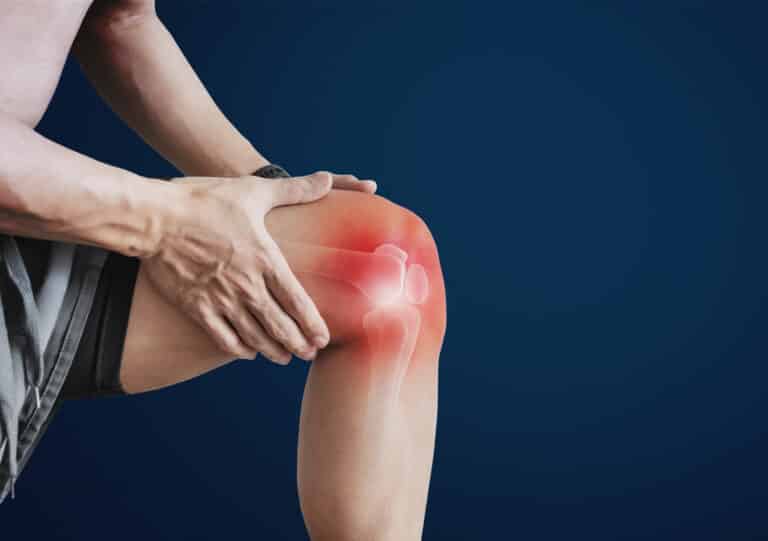
If you struggle with joint pain, stiffness, or swelling, you may naturally assume that aging or overuse is to blame. While those factors can certainly play a role, inflammation is often a major contributor to ongoing discomfort and reduced mobility.
Inflammation is part of the body’s natural healing process, but when it becomes chronic, it can begin to damage joints and surrounding tissues. Understanding the connection between inflammation and joint pain is an important step toward finding effective treatment and returning to the activities you enjoy.
At Minnesota Regenerative Institute, we help patients explore non-surgical solutions that address the underlying causes of pain and support long-term joint health.
What Is Inflammation?
Inflammation is your body’s natural response to injury, illness, or stress. When tissues become damaged, the immune system sends cells and chemicals to the affected area to begin the healing process.
Short-term inflammation can be helpful because it:
- Protects injured tissues
- Promotes healing
- Helps fight infection
Problems arise when inflammation persists long after the original injury has healed.
How Chronic Inflammation Affects Your Joints
When inflammation becomes ongoing, it can begin to affect the structures that allow your joints to move comfortably.
Chronic inflammation may contribute to:
- Joint pain
- Stiffness
- Swelling
- Reduced flexibility
- Tenderness
- Difficulty with everyday activities
Over time, persistent inflammation can accelerate wear and tear within the joints.
Conditions Commonly Linked to Inflammation
Several joint conditions involve inflammation as a major component.
These may include:
- Osteoarthritis
- Rheumatoid arthritis
- Tendon injuries
- Bursitis
- Sports injuries
- Chronic overuse injuries
Although each condition is different, inflammation often plays a significant role in symptom development.
Signs Inflammation May Be Contributing to Your Pain
Joint pain caused by inflammation can look different from person to person.
Common signs include:
- Swelling around a joint
- Morning stiffness
- Pain that worsens after inactivity
- Warmth or tenderness
- Limited range of motion
- Fatigue
If these symptoms persist, it’s important to seek an evaluation.
Everyday Habits Can Influence Inflammation
Lifestyle factors may affect how much inflammation exists in the body.
Contributors can include:
- Physical inactivity
- Chronic stress
- Poor sleep
- Excess weight
- Repetitive strain
- Dietary habits
Making healthy changes can often support joint function and overall wellness.
Staying Active Is Important
It may seem counterintuitive, but gentle movement often helps reduce stiffness and support healthier joints.
Low-impact activities such as:
- Walking
- Swimming
- Cycling
- Stretching
- Strength training
can improve flexibility, strengthen muscles, and support mobility.
The key is finding activities that work for your body and your condition.
How Regenerative Medicine May Help
Traditional treatments often focus on managing symptoms, but regenerative medicine aims to support the body’s natural healing processes.
Depending on your needs, regenerative therapies may help:
- Reduce inflammation
- Support tissue repair
- Improve mobility
- Promote joint function
- Decrease discomfort
Every patient’s treatment plan should be tailored to their unique goals and health history.
Don’t Ignore Persistent Joint Pain
Many people wait until pain becomes severe before seeking help.
However, early intervention may:
- Improve mobility
- Slow the progression of joint problems
- Expand treatment options
- Help maintain an active lifestyle
Addressing inflammation early can make a meaningful difference in your long-term joint health.
Supporting Joint Health at Home
In addition to professional care, healthy habits can help manage inflammation and support mobility.
Consider:
- Staying physically active
- Eating nutrient-dense foods
- Prioritizing sleep
- Maintaining a healthy weight
- Staying hydrated
- Managing stress
Small changes often add up over time.
Find Relief and Get Back to Doing What You Love
Joint pain shouldn’t keep you from enjoying walks, vacations, exercise, or time with family. If inflammation is contributing to your discomfort, identifying the source of the problem is the first step toward finding relief.
At Minnesota Regenerative Institute, we help patients explore personalized, non-surgical treatment options designed to support healing and improve quality of life.
Schedule your consultation today and learn whether inflammation may be playing a role in your joint pain.