
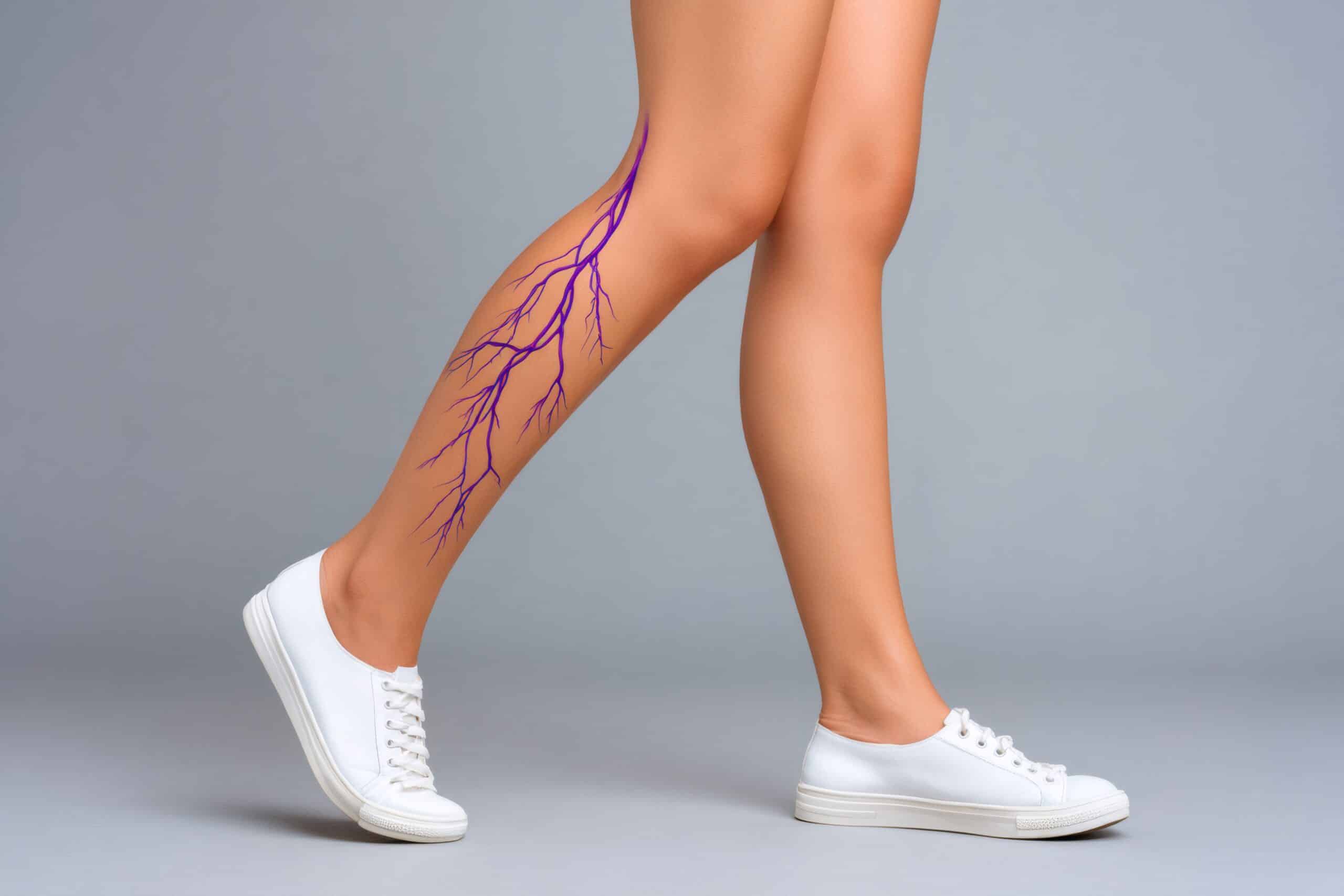
Non-Surgical Solutions for Vein Health and Leg Discomfort
Leg discomfort can affect much more than your physical comfort. Aching, heaviness, swelling, visible veins, and fatigue in the legs can make it harder to stay active, exercise comfortably, or enjoy everyday activities.
Many people assume vein issues are purely cosmetic, but symptoms related to vein health can significantly impact mobility and overall quality of life. The good news is that modern treatment options often provide relief without the need for major surgery.
At Minnesota Regenerative Institute, we help patients explore non-surgical approaches to supporting vein health, circulation, and leg comfort so they can move through daily life with greater confidence and ease.
Understanding Vein Health
Veins play an important role in circulation by helping return blood back to the heart. When veins struggle to function efficiently, blood can begin pooling in the legs, leading to discomfort and visible vein changes.
Over time, poor vein function may contribute to:
- Leg heaviness
- Swelling
- Aching or throbbing
- Fatigue in the legs
- Visible varicose or spider veins
These symptoms often worsen after long periods of standing or sitting.
Common Signs of Vein-Related Leg Discomfort
Many patients live with vein symptoms for years before realizing treatment options are available.
Common Symptoms Include:
- Aching or tired legs
- Swelling in the lower legs or ankles
- Burning or throbbing sensations
- Cramping or restlessness
- Visible twisted or enlarged veins
- Itching or skin irritation near veins
Symptoms may gradually worsen over time if underlying circulation issues are not addressed.
Why Vein Health Matters Beyond Appearance
While some people seek treatment because of the appearance of visible veins, vein health is about more than cosmetics.
Healthy circulation is important for:
- Comfort during daily activities
- Maintaining mobility
- Supporting healthy tissue function
- Reducing pressure and swelling in the legs
Addressing vein issues early may help improve both comfort and long-term wellness.
What Causes Vein Problems?
Several factors can contribute to vein-related discomfort, including:
- Aging
- Prolonged standing or sitting
- Pregnancy
- Family history
- Reduced circulation
- Lifestyle factors
Over time, vein valves can weaken, making it harder for blood to move efficiently through the legs.
Non-Surgical Treatment Options
Modern vein care has advanced significantly, and many patients can now find relief through minimally invasive, non-surgical approaches.
Non-surgical solutions may help:
- Improve circulation
- Reduce swelling and discomfort
- Improve the appearance of visible veins
- Support mobility and activity levels
These treatments are often performed with minimal downtime, allowing patients to return to normal routines quickly.
Benefits of Non-Surgical Vein Care
1. Improved Comfort
Many patients experience relief from aching, heaviness, and fatigue in the legs after treatment.
2. Better Mobility
Reducing discomfort may make it easier to walk, exercise, and stay active.
3. Reduced Swelling
Improved circulation can help decrease swelling and pressure in the lower legs.
4. Minimally Invasive Care
Non-surgical treatments often involve less downtime and recovery compared to traditional surgical approaches.
5. Increased Confidence
For patients bothered by visible veins, treatment may also improve the appearance of the legs.
Supporting Vein Health Naturally
In addition to treatment, healthy habits can help support circulation and overall vein health.
Helpful Lifestyle Tips:
- Stay physically active
- Avoid sitting or standing for long periods
- Elevate your legs when possible
- Maintain a healthy weight
- Stay hydrated
These habits help encourage healthy blood flow and reduce strain on the veins.
When to Seek Evaluation
Many people wait until symptoms become severe before seeking help, but early evaluation often leads to better outcomes.
It may be time to schedule an assessment if you experience:
- Persistent leg discomfort
- Swelling or heaviness
- Visible varicose veins
- Symptoms that worsen throughout the day
A professional evaluation can help identify the cause and determine the best treatment options for your needs.
Don’t Let Leg Discomfort Hold You Back
Leg pain, swelling, and vein issues can affect your ability to stay active and enjoy life comfortably—but you don’t have to simply live with these symptoms.
At Minnesota Regenerative Institute, we’re committed to helping patients improve circulation, reduce discomfort, and support long-term vein health with personalized, non-surgical care.
Schedule your consultation today and take the next step toward healthier, more comfortable legs.
Learn More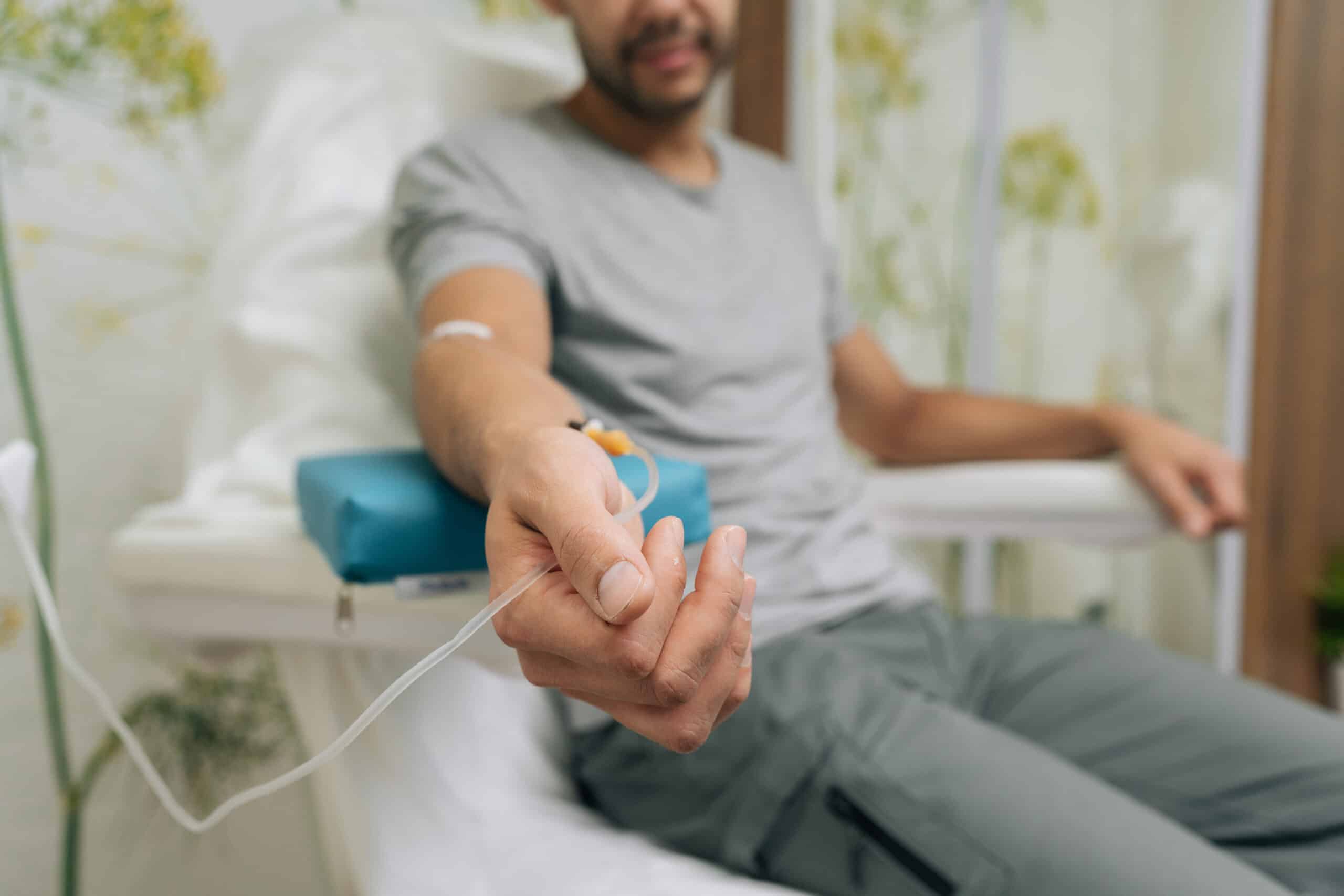
How Nutritional IV Therapy Can Help You Stay Energized All Summer
Summer is meant for staying active, traveling, spending time outdoors, and enjoying life to the fullest. But for many people, low energy, dehydration, stress, and fatigue can make it harder to keep up with everything the season brings. If you’ve been feeling run down, sluggish, or depleted, your body may need additional support, especially during the busy summer months. At Minnesota Regenerative Institute, nutritional IV therapy is one of the ways we help patients support hydration, energy, recovery, and overall wellness from the inside out. Here’s how IV therapy may help you feel more energized and refreshed all summer long.
What Is Nutritional IV Therapy?
Nutritional IV therapy delivers fluids, vitamins, minerals, and nutrients directly into the bloodstream through an intravenous (IV) infusion.
Because nutrients bypass the digestive system, they can be absorbed more efficiently and utilized by the body more quickly.
Depending on your wellness goals, IV therapy may help support:
- Hydration
- Energy levels
- Recovery and performance
- Immune support
- Overall wellness
Why Summer Can Leave You Feeling Depleted
Summer schedules often become busier and more physically demanding. Between heat, travel, outdoor activities, and disrupted routines, the body can become depleted faster than many people realize.
Common summer-related wellness challenges include:
- Dehydration
- Fatigue
- Low energy
- Muscle soreness
- Poor recovery
- Increased stress on the body
Even mild dehydration alone can contribute to fatigue, headaches, and reduced physical performance.
How Nutritional IV Therapy Supports Energy
1. Supports Hydration
Hydration is essential for energy production, muscle function, circulation, and overall wellness.
IV hydration may help:
- Replenish fluids more efficiently
- Support physical recovery
- Reduce feelings of fatigue related to dehydration
This can be especially helpful during hot weather or after increased activity.
2. Delivers Key Nutrients Efficiently
Many people don’t absorb nutrients optimally through diet alone, especially during periods of stress or fatigue.
Nutritional IV therapy may help support healthy levels of:
- Vitamins
- Minerals
- Electrolytes
- Antioxidants
These nutrients play important roles in energy production and recovery.
3. Supports Recovery After Activity
Busy summer schedules and increased physical activity can place added stress on the body.
IV therapy may help support:
- Muscle recovery
- Physical performance
- Recovery after workouts or travel
- Overall wellness maintenance
4. Helps Combat Fatigue and Burnout
Feeling constantly tired can affect motivation, focus, and daily productivity.
Many patients seek wellness support when experiencing:
- Ongoing fatigue
- Mental fog
- Feeling “run down”
- Difficulty recovering after busy days
Supporting hydration and nutrient levels may help the body feel more balanced and energized.
The Importance of Whole-Body Wellness
Energy levels are connected to many aspects of overall health, including:
- Hydration
- Nutrition
- Recovery
- Sleep quality
- Stress levels
At Minnesota Regenerative Institute, we focus on supporting wellness from a whole-body perspective rather than simply masking symptoms temporarily.
Who May Benefit from Nutritional IV Therapy?
Nutritional IV therapy may benefit individuals who:
- Feel fatigued or depleted
- Struggle with hydration
- Have active lifestyles
- Travel frequently during summer
- Want additional wellness and recovery support
Every patient’s needs and wellness goals are different, which is why personalized care matters.
Supporting Your Wellness Naturally
In addition to IV therapy, healthy lifestyle habits can help support long-term energy and wellness.
Helpful Habits Include:
- Staying hydrated daily
- Prioritizing quality sleep
- Eating nutrient-dense foods
- Managing stress
- Staying active with regular movement
Combining wellness therapies with healthy routines often creates the best long-term results.
Don’t Ignore Persistent Fatigue
Many people normalize feeling tired or depleted—but ongoing fatigue is often a signal that the body needs support.
If low energy has been affecting your ability to fully enjoy summer activities, it may be time to take a more proactive approach to your wellness.
Feel Refreshed and Recharged This Summer
Summer should feel energizing—not exhausting. Nutritional IV therapy offers a supportive wellness option for patients looking to improve hydration, recovery, and overall energy levels during the busiest season of the year.
At Minnesota Regenerative Institute, we’re committed to helping patients feel healthier, stronger, and more balanced through personalized wellness support.
Schedule your consultation today and learn how nutritional IV therapy may help you stay energized all summer long.
Learn More
Is Hormone Imbalance Holding You Back This Summer?
Summer is supposed to feel energizing—longer days, outdoor activities, vacations, and more opportunities to enjoy life. But if you’re feeling exhausted, unmotivated, irritable, or unlike yourself, a hormone imbalance could be playing a bigger role than you realize.
Hormones affect nearly every system in the body, including energy levels, mood, metabolism, sleep, and overall well-being. When they become imbalanced, it can impact how you feel physically and emotionally every single day.
At Minnesota Regenerative Institute, we help patients better understand the connection between hormone health and overall wellness so they can feel more balanced, energized, and confident heading into summer.
What Is a Hormone Imbalance?
Hormones are chemical messengers that help regulate many essential body functions. Even small shifts in hormone levels can create noticeable symptoms throughout the body.
Hormonal imbalances can affect both men and women and may develop gradually over time due to:
- Aging
- Chronic stress
- Poor sleep
- Inflammation
- Lifestyle factors
- Underlying health conditions
Because symptoms often appear slowly, many people assume feeling “off” is just part of getting older or being busy.
Common Signs of Hormone Imbalance
Hormonal changes can affect people differently, but there are several common symptoms to watch for.
Signs May Include:
- Fatigue or low energy
- Difficulty sleeping
- Mood swings or irritability
- Brain fog or trouble concentrating
- Weight changes
- Low motivation
- Reduced stamina
- Decreased libido
These symptoms can make it harder to stay active, productive, and fully enjoy the summer season.
How Hormones Affect Energy and Wellness
Hormones play a major role in regulating:
- Sleep cycles
- Stress response
- Muscle recovery
- Metabolism
- Mental clarity
When hormones are out of balance, the body often struggles to maintain consistent energy and recovery. This can leave patients feeling physically drained even after rest.
Why Symptoms Often Get Worse with Stress
Chronic stress places a major burden on the body and can disrupt hormone regulation over time.
High stress levels may contribute to:
- Increased fatigue
- Poor sleep quality
- Difficulty recovering physically
- Mood changes
- Increased inflammation
Because summer schedules can become busier and more active, unmanaged hormone imbalance may become even more noticeable during this time of year.
Hormone Health and Aging
Hormonal shifts naturally occur with age, but significant symptoms shouldn’t simply be ignored.
Many patients notice changes such as:
- Lower energy levels
- Slower recovery after exercise
- Difficulty maintaining muscle tone
- Reduced motivation or focus
Supporting hormone balance can help improve quality of life and overall wellness at every stage of adulthood.
A Whole-Body Approach to Hormone Wellness
At Minnesota Regenerative Institute, we take a comprehensive approach to wellness that focuses on understanding how the entire body is functioning—not just treating isolated symptoms.
A personalized wellness plan may focus on:
- Supporting energy levels
- Improving recovery and sleep
- Reducing inflammation
- Encouraging overall hormonal balance
- Supporting long-term wellness goals
Every patient’s needs and symptoms are unique, which is why individualized care is so important.
Lifestyle Habits That Support Hormone Balance
Healthy daily habits can have a significant impact on hormone health and overall well-being.
Helpful Strategies Include:
- Prioritizing consistent sleep
- Managing stress levels
- Staying physically active
- Eating nutrient-dense foods
- Staying hydrated
- Supporting recovery and rest
Small lifestyle changes often create meaningful improvements over time.
Don’t Ignore Persistent Symptoms
Many people normalize chronic fatigue, mood changes, or low motivation—but these symptoms are often signs that the body needs support.
If you’ve been feeling unlike yourself lately, it may be time to take a closer look at your overall wellness and hormone health.
Feel More Like Yourself This Summer
You deserve to enjoy summer feeling energized, motivated, and fully present in your daily life. Supporting hormone balance can help improve how you feel physically, mentally, and emotionally.
At Minnesota Regenerative Institute, we’re committed to helping patients take a proactive, whole-body approach to wellness and recovery.
If you’re ready to feel more balanced and energized this summer, schedule your consultation today and take the first step toward better overall wellness.
Learn More
Feel Your Best This Summer: A Whole-Body Wellness Reset
Summer is a season associated with energy, movement, travel, and time spent enjoying life. But if you’ve been feeling fatigued, inflamed, stiff, or simply “off,” it can be difficult to fully enjoy everything the season has to offer.
Sometimes your body needs more than rest—it needs a reset.
At Minnesota Regenerative Institute, we believe true wellness starts by supporting the body as a whole. A whole-body wellness reset focuses on improving how you feel from the inside out by addressing inflammation, recovery, mobility, energy, and overall function.
If you’re ready to head into summer feeling healthier, stronger, and more energized, here’s how a whole-body approach can help.
What Is a Whole-Body Wellness Reset?
A wellness reset is about restoring balance throughout the body rather than focusing on just one symptom or area of discomfort.
Instead of simply masking problems, this approach supports:
- Recovery and healing
- Energy levels
- Joint and muscle function
- Inflammation reduction
- Overall physical wellness
The goal is to help your body function more efficiently so you can feel your best naturally.
Signs Your Body May Need a Reset
Many people don’t realize how much chronic stress, inflammation, poor recovery, or lifestyle strain can affect daily health.
Common Signs Include:
- Persistent fatigue
- Joint or muscle discomfort
- Low energy
- Brain fog
- Stiffness or reduced mobility
- Difficulty recovering after activity
- Feeling run down or sluggish
These symptoms are often signals that the body needs additional support.
Why Summer Is the Perfect Time to Refocus on Wellness
Summer naturally encourages more movement, outdoor activity, and social connection. It’s also a great time to establish healthier habits and prioritize recovery.
A wellness reset before or during summer can help you:
- Feel more energized for activities and travel
- Improve mobility and comfort
- Support recovery from physical stress
- Stay active with less discomfort
When your body feels better, it’s easier to fully enjoy the season.
The Role of Inflammation in How You Feel
Chronic inflammation is one of the most common underlying contributors to pain, fatigue, stiffness, and slower recovery.
Inflammation can affect:
- Joints and muscles
- Energy levels
- Sleep quality
- Overall physical performance
Reducing inflammation often helps patients feel more mobile, energized, and balanced overall.
Supporting Recovery and Mobility
Many patients struggle with lingering joint discomfort or stiffness that makes it harder to stay active.
A whole-body wellness approach may help support:
- Joint function
- Muscle recovery
- Flexibility and movement
- Physical performance
The goal isn’t just temporary relief—it’s helping the body recover and function more effectively long-term.
The Importance of Recovery
Modern lifestyles often push the body into a constant state of stress and overuse. Without proper recovery, the body has a harder time healing and maintaining balance.
Prioritizing recovery can help:
- Improve energy
- Reduce soreness and tension
- Support healthy movement
- Enhance overall wellness
Recovery is not a luxury—it’s an essential part of long-term health.
A Personalized Approach to Wellness
At Minnesota Regenerative Institute, we recognize that no two patients are exactly alike. That’s why wellness plans are tailored to each individual’s goals, symptoms, and lifestyle.
Your care plan may focus on:
- Reducing inflammation
- Supporting recovery
- Improving mobility and comfort
- Enhancing overall wellness and function
A personalized approach helps create sustainable, long-term results.
Healthy Habits That Support a Wellness Reset
Small daily habits can make a major difference in how your body feels.
Helpful Wellness Strategies Include:
- Staying hydrated
- Eating nutrient-dense foods
- Prioritizing quality sleep
- Staying active with movement that feels good for your body
- Managing stress levels
Consistency with these habits helps support the body’s natural healing and recovery processes.
Don’t Ignore What Your Body Is Telling You
Many people become so used to feeling tired, stiff, or inflamed that they begin to think it’s normal. But your body is designed to move, recover, and function well with the right support.
If you’ve been feeling run down or limited by discomfort, it may be time to take a more proactive approach to your health.
Reset Your Health This Summer
Summer is the perfect opportunity to refocus on your health and create momentum toward feeling your best. A whole-body wellness reset can help you move more comfortably, feel more energized, and enjoy the season with greater confidence.
At Minnesota Regenerative Institute, we’re here to support your wellness journey with personalized care designed to help your body recover and thrive.
Schedule your consultation today and take the first step toward feeling your best this summer.
Learn More
How Regenerative Medicine Supports Joint Pain and Recovery
Joint pain can affect nearly every part of daily life. Whether it’s discomfort in your knees, hips, shoulders, or back, chronic pain and limited mobility can make it difficult to stay active, exercise, work comfortably, or enjoy the activities you love.
For many people, traditional treatments only provide temporary relief. That’s why more patients are turning to regenerative medicine as a non-surgical approach to supporting healing and recovery.
At Minnesota Regenerative Institute, we focus on helping patients address joint pain at the source by supporting the body’s natural healing processes. Here’s how regenerative medicine may help improve recovery, reduce discomfort, and restore mobility.
What Is Regenerative Medicine?
Regenerative medicine is an innovative approach that focuses on supporting the body’s ability to repair and restore damaged tissues naturally.
Rather than simply masking symptoms, regenerative therapies aim to:
- Reduce inflammation
- Support tissue healing
- Improve joint function
- Enhance mobility and comfort
This approach is especially appealing for patients looking to avoid surgery or long-term reliance on pain medications.
Common Causes of Joint Pain
Joint pain can develop for many reasons, including:
- Aging and wear-and-tear
- Sports injuries
- Overuse or repetitive motion
- Inflammation
- Degenerative joint conditions
Over time, joint discomfort can worsen and begin affecting overall quality of life.
Commonly Affected Areas Include:
- Knees
- Hips
- Shoulders
- Spine and lower back
- Elbows and ankles
How Regenerative Medicine Supports Recovery
Regenerative medicine works by encouraging the body’s natural healing response in areas that may be damaged or inflamed.
1. Helps Reduce Inflammation
Inflammation is one of the primary causes of pain and stiffness in the joints. Regenerative therapies help calm inflammation, which may improve comfort and mobility.
2. Supports Natural Tissue Repair
Healthy joints rely on strong, functional tissues. Regenerative medicine focuses on supporting the body’s repair mechanisms to help improve tissue health over time.
3. Improves Mobility and Function
As inflammation decreases and healing improves, many patients experience:
- Better flexibility
- Improved range of motion
- Easier movement during daily activities
4. Encourages Long-Term Relief
Rather than offering only short-term symptom management, regenerative medicine aims to address the underlying cause of discomfort and support longer-lasting improvement.
5. Non-Surgical Treatment Option
Many patients choose regenerative medicine because it offers a minimally invasive alternative to surgery with little downtime.
Who May Benefit from Regenerative Medicine?
Regenerative therapies may be appropriate for patients who:
- Experience chronic joint pain
- Want to avoid surgery
- Have lingering pain after injuries
- Feel limited by stiffness or reduced mobility
- Haven’t found lasting relief with traditional treatments
Every patient is different, which is why personalized evaluations are important.
Conditions Often Treated
At Minnesota Regenerative Institute, regenerative medicine may help support patients dealing with:
- Knee pain
- Shoulder pain
- Hip discomfort
- Arthritis-related symptoms
- Spine and back pain
- Sports injuries
Treatment plans are tailored to each individual’s needs, symptoms, and goals.
What to Expect During Your Evaluation
Your care begins with a comprehensive assessment to better understand your symptoms, mobility concerns, and overall health.
Your Visit May Include:
- Review of medical history and symptoms
- Physical examination and movement assessment
- Discussion of treatment options
- Personalized recovery recommendations
Our goal is to create a plan that supports healing while helping you stay active and comfortable.
Supporting Recovery Naturally
In addition to regenerative treatments, healthy lifestyle habits can further support joint health and recovery.
Helpful Habits Include:
- Staying active with low-impact exercise
- Maintaining a healthy weight
- Following an anti-inflammatory diet
- Prioritizing sleep and recovery
- Staying consistent with treatment recommendations
These habits help create an environment where the body can heal more effectively.
Don’t Let Joint Pain Hold You Back
Joint pain doesn’t have to control your lifestyle or limit the things you enjoy. Regenerative medicine offers a promising option for patients looking for natural, non-surgical support for pain and recovery.
At Minnesota Regenerative Institute, we’re committed to helping patients move better, feel stronger, and regain confidence in their daily lives.
If you’re struggling with joint pain or reduced mobility, schedule your consultation today and learn how regenerative medicine may support your recovery.
Learn More
Understanding Neuropathy Symptoms and Treatment Options
Neuropathy is a condition that affects millions of people, yet many don’t recognize the symptoms until they begin to interfere with daily life. Whether it starts as mild tingling or progresses into persistent pain or numbness, neuropathy can significantly impact your comfort, mobility, and overall quality of life.
At Minnesota Regenerative Institute, we focus on identifying the root cause of neuropathy and offering advanced, personalized treatment options to help patients find relief and restore function. If you’ve been experiencing unusual nerve-related symptoms, here’s what you need to know.
What Is Neuropathy?
Neuropathy, or peripheral neuropathy, occurs when nerves are damaged or disrupted. These nerves are responsible for sending signals between your brain, spinal cord, and the rest of your body.
When nerve function is impaired, it can affect:
- Sensation (feeling)
- Movement (muscle control)
- Autonomic functions (like blood flow and digestion)
Neuropathy most commonly affects the hands and feet, but it can occur anywhere in the body.
Common Causes of Neuropathy
Neuropathy can develop for a variety of reasons, and sometimes multiple factors are involved.
Common Causes Include:
- Diabetes (one of the leading causes)
- Poor circulation
- Injury or trauma
- Vitamin deficiencies (especially B vitamins)
- Chronic inflammation
- Autoimmune conditions
- Certain medications
Identifying the underlying cause is essential for effective treatment.
Recognizing Neuropathy Symptoms
Neuropathy symptoms can vary depending on the type of nerves affected and the severity of the condition. They often develop gradually, which can make them easy to overlook at first.
Early Symptoms:
- Tingling or “pins and needles”
- Mild numbness in hands or feet
- Increased sensitivity to touch
Progressive Symptoms:
- Burning or sharp pain
- Electric-like sensations
- Muscle weakness
- Loss of coordination or balance
- Difficulty walking
Advanced Symptoms:
- Complete numbness
- Loss of reflexes
- Difficulty sensing temperature
- Increased risk of injury due to reduced sensation
Symptoms may come and go at first but can become more persistent over time.
Why Early Treatment Matters
Neuropathy is often progressive, meaning it can worsen if left untreated. Early intervention can:
- Slow or stop nerve damage
- Reduce pain and discomfort
- Improve mobility and balance
- Enhance overall quality of life
The sooner you address symptoms, the more treatment options are typically available.
Treatment Options for Neuropathy
At Minnesota Regenerative Institute, we take a comprehensive and personalized approach to neuropathy care. Treatment is tailored to your specific condition, symptoms, and health goals.
1. Addressing the Root Cause
The first step in treatment is identifying and managing the underlying cause—whether it’s diabetes, nutritional deficiencies, or another condition.
2. Regenerative Therapies
Advanced regenerative treatments may help support nerve healing and improve function. These therapies are designed to promote the body’s natural repair processes.
3. Circulation Support
Improving blood flow can help deliver oxygen and nutrients to damaged nerves, supporting recovery and reducing symptoms.
4. Lifestyle and Nutritional Support
Diet and lifestyle changes can play a significant role in managing neuropathy.
Recommendations may include:
- Increasing intake of essential vitamins and nutrients
- Staying active to promote circulation
- Managing blood sugar levels
- Reducing inflammation through diet
5. Non-Invasive Therapies
Many patients benefit from non-invasive treatments that help stimulate nerve function and reduce discomfort without surgery or medication.
What to Expect During Your Evaluation
Your journey to relief starts with a thorough evaluation at Minnesota Regenerative Institute.
Your Visit May Include:
- Detailed discussion of your symptoms and medical history
- Assessment of nerve function and circulation
- Identification of contributing factors
- Development of a customized treatment plan
Our goal is to provide clarity, answers, and a path forward.
When to Seek Help
If you’re experiencing any of the following, it’s important to seek care:
- Persistent tingling or numbness
- Burning or sharp nerve pain
- Weakness or loss of coordination
- Symptoms that are worsening over time
Even mild symptoms shouldn’t be ignored, as early treatment can prevent progression.
Take Control of Your Nerve Health
Living with neuropathy can be frustrating—but effective solutions are available. With the right care and a personalized approach, it’s possible to reduce symptoms, improve function, and regain confidence in your daily life.
At Minnesota Regenerative Institute, we’re committed to helping you understand your condition and explore treatment options that support long-term wellness.
If you’re ready to take the next step toward relief, schedule your consultation today and start your journey to better nerve health.
Learn More
How Nutritional IV Therapy Can Help You Feel Recharged This Spring
As the seasons shift and spring arrives, many people expect to feel refreshed and energized. But for some, lingering fatigue, low immunity, and stress from the winter months can make it difficult to fully embrace the new season. If you’re feeling run down or not quite like yourself, nutritional IV therapy may offer the boost your body needs.
At Minnesota Regenerative Institute, we focus on helping patients restore balance and optimize their health from the inside out. Nutritional IV therapy is one of the most effective ways to quickly replenish essential vitamins, minerals, and hydration—helping you feel recharged and ready for spring.
What Is Nutritional IV Therapy?
Nutritional IV therapy delivers a customized blend of vitamins, minerals, and fluids directly into your bloodstream through an intravenous (IV) drip. This method allows your body to absorb nutrients more efficiently than oral supplements, which must pass through the digestive system.
Because IV therapy bypasses digestion, it provides:
- Faster nutrient absorption
- Higher bioavailability
- Immediate hydration
- Targeted wellness support
This makes it an ideal option for those looking for quick and noticeable results.
Why Spring Is the Perfect Time to Replenish
After months of colder weather, less sunlight, and seasonal illnesses, your body may be depleted of key nutrients. Spring is a natural time to reset and restore your energy levels.
Common Post-Winter Symptoms:
- Fatigue or low energy
- Brain fog or lack of focus
- Weakened immune system
- Dehydration
- Seasonal allergies
Nutritional IV therapy can help address these issues by delivering essential nutrients your body may be lacking.
Key Benefits of Nutritional IV Therapy
1. Increased Energy Levels
If you’re feeling sluggish, IV therapy can provide a boost of energy-supporting nutrients like B vitamins. These play a key role in metabolism and energy production, helping you feel more alert and revitalized.
2. Immune System Support
Spring can still bring seasonal illnesses and allergies. IV therapy often includes vitamin C, zinc, and other immune-supporting nutrients that help strengthen your body’s natural defenses.
3. Improved Hydration
Dehydration can contribute to fatigue, headaches, and poor concentration. IV fluids restore hydration quickly and effectively, helping your body function at its best.
4. Enhanced Mental Clarity
Many patients report improved focus and reduced brain fog after IV therapy. Proper hydration and nutrient levels support cognitive function and overall mental well-being.
5. Support for Recovery and Wellness
Whether you’re recovering from illness, dealing with stress, or simply looking to optimize your health, IV therapy can help your body recover and perform more efficiently.
What’s in a Nutritional IV Drip?
Each IV therapy session can be tailored to your specific needs and goals. While formulations vary, common ingredients include:
- Vitamin C for immune support
- B-complex vitamins for energy and metabolism
- Magnesium for muscle and nerve function
- Zinc for immune health
- Electrolytes for hydration
At Minnesota Regenerative Institute, we customize your IV therapy to ensure you’re getting the right combination of nutrients for your body.
Who Can Benefit from IV Therapy?
Nutritional IV therapy is a great option for a wide range of individuals, including those who:
- Feel consistently fatigued
- Have busy or high-stress lifestyles
- Want to support their immune system
- Experience frequent dehydration
- Are looking to enhance overall wellness
It’s also popular among individuals seeking a proactive approach to their health during seasonal transitions.
What to Expect During Your Visit
Your IV therapy session is designed to be relaxing and comfortable.
The Process:
- A consultation to discuss your health goals
- Selection of a customized IV formula
- Placement of the IV drip
- Relaxation while nutrients are infused (typically 30–60 minutes)
Many patients use this time to rest, read, or simply unwind.
Is Nutritional IV Therapy Safe?
When administered by trained professionals, IV therapy is considered safe for most individuals. At Minnesota Regenerative Institute, your treatment is carefully monitored to ensure both safety and effectiveness.
Before starting, your provider will review your health history to determine if IV therapy is right for you.
Recharge Your Body This Spring
Spring is a season of renewal—and your health should be part of that transformation. If you’re feeling depleted, foggy, or low on energy, nutritional IV therapy can help you reset and feel your best.
At Minnesota Regenerative Institute, we’re here to support your wellness journey with personalized care and advanced therapies designed to help you thrive.
Schedule your consultation today and discover how nutritional IV therapy can help you feel refreshed, energized, and ready for the season ahead.
Learn More
Could Hormone Imbalance Be Affecting How You Feel?
If you have been feeling more tired than usual, struggling with mood changes, experiencing unexplained weight gain, or simply feeling “off,” hormones may be playing a bigger role than you realize. Hormones act as the body’s chemical messengers, helping regulate everything from energy and metabolism to sleep, mood, and mental clarity. When they fall out of balance, it can affect how you feel both physically and emotionally.
At Minnesota Regenerative Institute, we help patients better understand the connection between hormone health and overall wellness. Hormonal shifts can happen gradually, making symptoms easy to overlook or attribute to stress, aging, or a busy lifestyle.
What Is a Hormone Imbalance?
Hormones are produced by glands in the endocrine system and help regulate many essential body functions.
Some of the most important hormones include:
- estrogen
- progesterone
- testosterone
- cortisol
- thyroid hormones
- insulin
When hormone levels are too high, too low, or fluctuating unevenly, it can lead to a wide range of symptoms that affect daily life.
Hormonal changes can occur due to age, stress, lifestyle factors, underlying health conditions, or natural life transitions such as perimenopause, menopause, or andropause.
Common Signs of Hormone Imbalance
Because hormones influence so many systems in the body, symptoms can show up in different ways.
Some of the most common signs include:
Persistent Fatigue
If you are getting enough sleep but still wake up feeling exhausted, hormone imbalance may be contributing.
Low thyroid function, changes in estrogen or testosterone, and elevated cortisol from chronic stress can all impact energy levels.
Mood Changes
Hormones have a significant effect on mood and emotional well-being.
You may notice:
- irritability
- anxiety
- low motivation
- mood swings
- feelings of depression
Hormonal changes related to menopause and andropause are often linked to these symptoms.
Weight Gain or Difficulty Losing Weight
Unexplained weight gain, especially around the midsection, can sometimes be related to hormone shifts.
Changes in insulin, cortisol, thyroid hormones, estrogen, or testosterone may all affect metabolism and body composition.
Brain Fog and Difficulty Concentrating
Trouble focusing, forgetfulness, or feeling mentally “foggy” can also be linked to hormonal changes.
Patients often describe this as not feeling as sharp as usual.
Changes in Sleep
Difficulty falling asleep, staying asleep, or waking up frequently during the night may also point to hormone imbalance.
Night sweats and hot flashes are especially common during perimenopause and menopause.
Changes in Libido
A decrease in sexual desire or function is another common sign.
Hormones such as estrogen and testosterone play a major role in libido and sexual wellness.
How Stress Affects Hormones
Chronic stress can significantly affect hormone balance.
When the body remains in a constant state of stress, cortisol levels may stay elevated for long periods. Over time, this can disrupt other hormone systems and contribute to fatigue, sleep issues, weight changes, and mood shifts.
Sometimes what feels like “burnout” may actually be a sign that hormones need to be evaluated.
Hormonal Changes With Age
Hormone levels naturally change over time.
For women, estrogen and progesterone may begin fluctuating in the 30s and 40s, often becoming more noticeable during perimenopause and menopause.
For men, testosterone levels may gradually decline with age, leading to symptoms such as reduced energy, lower muscle mass, decreased motivation, and changes in mood.
Why It Is Important to Address Symptoms Early
Many people assume these symptoms are simply a normal part of aging.
While hormonal changes can be common, that does not mean you have to ignore how you feel.
Early evaluation can help identify the root cause and support a more personalized wellness plan.
Treatment and Support Options
At Minnesota Regenerative Institute, hormone health is approached with personalized care and treatment options designed around each patient’s needs.
Depending on symptoms and lab findings, support may include:
- hormone optimization
- lifestyle and nutrition guidance
- stress management strategies
- sleep support
- personalized wellness plans
The clinic specifically notes symptoms such as fatigue, low motivation, weight gain, low libido, and cognitive changes as possible signs of hormonal decline.
Listen to What Your Body Is Telling You
If you have been feeling unlike yourself, it may be worth exploring whether hormones are playing a role.
Fatigue, mood shifts, poor sleep, and unexplained changes in your body are not things you should simply push through.
Understanding your hormone health can be an important step toward feeling more like yourself again.
Learn More
Refresh Your Health Goals This April With Regenerative Wellness Care
Spring is the perfect season for a fresh start. As April brings longer days, renewed energy, and a natural motivation to reset routines, it is the ideal time to refocus on your health goals. Whether you are looking to improve mobility, reduce chronic discomfort, boost your energy, or support long-term wellness, this season offers the perfect opportunity to take the next step.
At Minnesota Regenerative Institute, patients have access to a range of wellness services including chiropractic care, progressive rehab, spinal decompression, IV therapy, vein treatments, and neuropathy care designed to help improve overall function and quality of life.
This April, let spring inspire you to refresh your health goals and prioritize feeling your best.
Why Spring Is the Perfect Time to Reset Your Wellness Routine
There is something about spring that naturally encourages renewal.
After winter’s colder months—often filled with less movement, more time indoors, and disrupted routines—many people begin to notice increased stiffness, fatigue, and lingering aches.
Spring is the perfect time to reset by focusing on:
- Improved mobility
- Pain relief
- Better posture
- Increased energy
- Preventive wellness care
- Recovery from chronic discomfort
A proactive approach now can help you feel stronger and more active heading into summer.
Recommit to Pain Relief and Better Movement
One of the most common health goals in spring is moving more comfortably.
If winter inactivity has left you feeling stiff or sore, April is a great time to prioritize therapies that support better movement and function.
Common concerns many patients address this season include:
- Back pain
- Neck pain
- Joint discomfort
- Knee pain
- Headaches and migraines
- Muscle tightness
- Limited range of motion
At Minnesota Regenerative Institute, care often includes chiropractic services, rehab support, and spinal decompression to help patients return to more active lifestyles.
Support Recovery With Progressive Rehab
Spring is a great time to rebuild strength and function.
Whether you are recovering from an injury, dealing with chronic pain, or simply wanting to improve how your body moves, progressive rehabilitation can help support long-term wellness goals.
Rehab-focused care may help improve:
- Core strength
- Stability
- Flexibility
- Balance
- Joint support
- Posture
This is especially helpful for patients who want to get back to walking, gardening, traveling, or exercising more comfortably this season.
Improve Energy and Whole-Body Wellness
Health goals are not only about pain relief.
Many people use spring as a time to focus on feeling more energized and balanced overall.
Hydration, nutrition, and wellness support can play a major role in how you feel day to day.
Services such as IV therapy may help support:
- Hydration
- Energy
- Recovery
- Overall wellness goals
According to the clinic’s services, IV therapy is tailored to individual health needs and may help patients feel refreshed and re-energized this season.
Don’t Ignore Nerve-Related Symptoms
If numbness, tingling, or burning sensations have been affecting your quality of life, spring is a great time to seek support.
These symptoms can sometimes be related to neuropathy or nerve irritation.
Common symptoms include:
- Tingling in hands or feet
- Burning sensations
- Numbness
- Weakness
- Difficulty walking comfortably
The clinic offers advanced neuropathy-focused therapies aimed at improving nerve function and restoring daily comfort.
Spring Wellness Habits to Pair With Care
This April, small daily habits can help support your wellness goals.
Focus on:
- Walking regularly
- Gentle stretching
- Drinking more water
- Prioritizing sleep
- Improving posture
- Staying consistent with appointments
Consistency is key when it comes to long-term health improvements.
Let This April Be Your Fresh Start
Spring is a season of growth, renewal, and feeling your best.
At Minnesota Regenerative Institute, the goal is to help patients improve function, reduce discomfort, and build a stronger foundation for long-term wellness.
This April, refresh your health goals and step into the season feeling renewed.
Learn More
Spring Break Energy: How IV Therapy Can Help You Recharge
Spring break is often filled with travel, outdoor activities, social events, and busy schedules. While this season brings excitement and new experiences, it can also leave many people feeling physically drained and mentally fatigued. Changes in routine, disrupted sleep, dehydration, and increased activity levels can all take a toll on energy and overall wellness. At Minnesota Regenerative Institute, IV therapy is becoming an increasingly popular option for individuals looking to recharge, support recovery, and maintain optimal health during and after the spring break season. Understanding how IV therapy works and how it can support your body may help you feel more energized and balanced.
Why Energy Levels Can Drop During Spring Break
Even positive, fun-filled activities can place additional demands on the body. Travel, late nights, increased sun exposure, and changes in diet or hydration habits can contribute to fatigue.
Some common factors that may lead to low energy during spring break include:
- Dehydration from travel or outdoor activities
- Poor sleep quality or inconsistent sleep schedules
- Increased physical activity
- Nutritional imbalances
- Stress related to planning or travel logistics
When the body is under these pressures, it may struggle to maintain optimal energy levels and immune function.
What Is IV Therapy?
IV (intravenous) therapy delivers fluids, vitamins, minerals, and other nutrients directly into the bloodstream. This method allows the body to absorb nutrients more efficiently compared to oral supplements, which must pass through the digestive system.
By providing hydration and essential nutrients at the cellular level, it can help support recovery, boost energy, and promote overall wellness.
How IV Therapy Supports Energy and Recovery
Rapid Hydration
Hydration plays a critical role in maintaining energy, focus, and physical performance. Even mild dehydration can cause fatigue, headaches, and reduced concentration.
IV therapy provides fast and effective hydration, helping restore fluid balance more efficiently than drinking water alone — especially when the body is already depleted.
Nutrient Replenishment
Busy travel schedules and changes in eating habits can make it difficult to get adequate vitamins and minerals. IV therapy formulations often include nutrients such as B vitamins, magnesium, and vitamin C, which are known to support energy production and immune health.
Replenishing these nutrients can help the body recover more quickly and feel more resilient.
Support for Immune Health
Spring break often involves exposure to new environments, crowded spaces, and seasonal allergens. Supporting immune function can help reduce the likelihood of feeling run down or getting sick after travel.
IV therapy may provide targeted nutrients that help the body maintain its natural defenses during periods of increased demand.
Improved Recovery After Activity
Whether you are hiking, swimming, sightseeing, or participating in sports, increased physical activity can lead to muscle fatigue and soreness.
IV therapy may help support recovery by delivering hydration and nutrients that assist with muscle repair and reduce feelings of exhaustion.
Who May Benefit From IV Therapy During Spring Break?
IV therapy can be helpful for a wide range of individuals, including:
- Travelers experiencing fatigue or dehydration
- Individuals with busy schedules or increased activity levels
- Those looking to support immune health
- People recovering from disrupted sleep or stress
- Anyone seeking a proactive approach to wellness
A personalized consultation can help determine whether IV therapy aligns with your health goals.
Supporting Wellness Beyond Spring Break
While IV therapy can provide a helpful boost during demanding times, maintaining long-term energy and vitality also involves consistent healthy habits.
Consider these tips for sustaining wellness year-round:
- Prioritize quality sleep
- Stay hydrated throughout the day
- Eat a balanced diet rich in whole foods
- Engage in regular physical activity
- Manage stress through relaxation techniques or mindfulness
Combining preventive lifestyle strategies with supportive therapies can help promote lasting health and well-being.
Recharge and Feel Your Best This Season
Spring break is meant to be enjoyable and refreshing — not exhausting. If you’re feeling depleted or want to stay ahead of fatigue, IV therapy may offer a convenient way to support hydration, energy, and recovery.
At Minnesota Regenerative Institute, the team focuses on personalized wellness solutions designed to help patients feel their best during busy seasons and beyond. Exploring options like IV therapy can be a proactive step toward maintaining balance, resilience, and vitality.
Learn More