
In this article
Joint pain and stiffness can make everyday movement more difficult and frustrating. While aging, injuries, and inflammation often contribute to joint discomfort, one commonly overlooked factor is excess body weight.
Extra weight places additional stress on the joints and may affect mobility, balance, inflammation levels, and overall physical function over time. Even modest increases in body weight can significantly impact how the body moves and feels each day.
At Minnesota Regenerative Institute, we help patients understand the connection between weight, mobility, and joint health while supporting long-term wellness through personalized care and proactive lifestyle strategies.
Here’s how excess weight may affect joint health—and what you can do to support healthier movement and recovery.
Why Weight Affects the Joints
Your joints are responsible for supporting and distributing body weight during movement.
Weight-bearing joints include:
- Knees
- Hips
- Ankles
- Lower back
When additional weight is placed on these joints, it may increase pressure, strain, and wear over time.
The Knees Often Experience the Most Stress
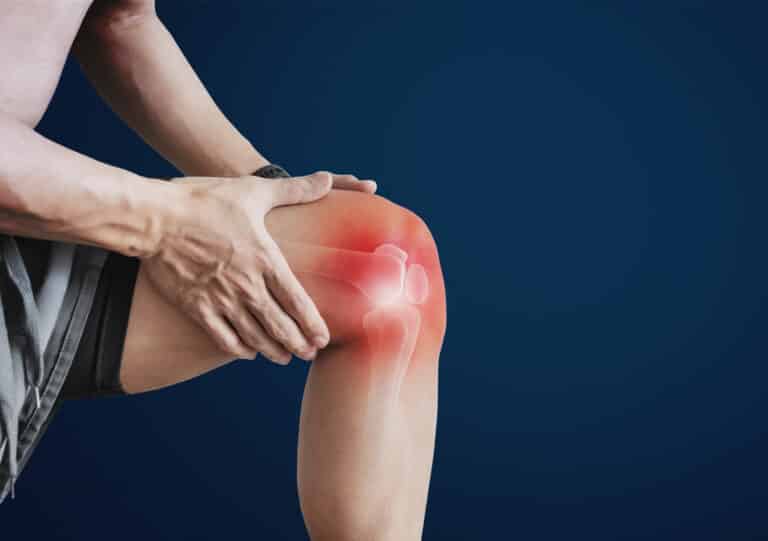
The knees are especially vulnerable to increased pressure from excess weight.
Research suggests that:
- Even small amounts of extra weight can significantly increase stress on the knees during walking and movement
Over time, this added strain may contribute to:
- Joint discomfort
- Reduced mobility
- Increased wear and tear
- Inflammation and stiffness
This is one reason knee pain is commonly associated with weight-related joint stress.
Excess Weight May Increase Inflammation
Weight doesn’t only affect the joints mechanically—it may also influence inflammation levels throughout the body.
Chronic inflammation may contribute to:
- Joint pain
- Swelling
- Reduced flexibility
- Slower recovery
Supporting healthy inflammation levels is an important part of protecting long-term joint function and mobility.
Reduced Mobility Can Create a Difficult Cycle
Joint discomfort often makes movement more difficult, which may lead to reduced physical activity over time.
This cycle may contribute to:
- Muscle weakness
- Stiffness
- Decreased flexibility
- Lower energy levels
As mobility decreases, everyday activities may become increasingly challenging.
Movement Is Important for Joint Health
While pain may discourage activity, movement is essential for maintaining joint function and overall wellness.
Regular movement may help support:
- Muscle strength
- Joint stability
- Circulation
- Flexibility
- Balance and coordination
The goal is finding safe, sustainable movement habits that support the body without creating unnecessary strain.
Small Changes Can Make a Big Difference
Improving joint health doesn’t always require extreme changes.
Small, consistent habits may help support:
- Better mobility
- Reduced stress on joints
- Improved energy levels
- Long-term wellness
Even gradual progress can positively impact comfort and movement over time.
Recovery and Wellness Matter Too
Supporting the body’s recovery systems is just as important as staying active.
Wellness habits that support joint health may include:
- Prioritizing sleep
- Staying hydrated
- Managing stress
- Supporting recovery after activity
- Eating nutrient-dense foods
A whole-body approach often leads to better long-term outcomes.
Why Personalized Care Is Important
Every patient’s body, lifestyle, and health goals are different.
At Minnesota Regenerative Institute, personalized care plans focus on helping patients:
- Improve mobility
- Support joint function
- Reduce inflammation
- Build sustainable wellness habits
Individualized support allows patients to approach wellness in a way that fits their needs and long-term goals.
Supporting Healthy Aging and Mobility
Joint health plays a major role in maintaining independence and quality of life as we age.
Healthy joints help support:
- Walking comfortably
- Staying physically active
- Participating in hobbies and exercise
- Maintaining balance and stability
Proactive care and healthy habits may help patients stay active and mobile longer.
Healthy Habits That Support Joint Wellness
Simple lifestyle habits can help reduce unnecessary stress on the joints and support healthier movement.
Helpful Wellness Habits Include:
- Staying physically active regularly
- Stretching consistently
- Prioritizing recovery and sleep
- Drinking plenty of water
- Maintaining healthy movement habits
Consistency is often one of the most important parts of long-term joint wellness.
Support Your Mobility and Long-Term Wellness
Extra weight can affect much more than appearance—it may significantly impact joint health, mobility, comfort, and overall quality of life. The good news is that small, sustainable changes can make a meaningful difference over time.
At Minnesota Regenerative Institute, we’re committed to helping patients improve mobility, support joint health, and build long-term wellness through personalized regenerative care and proactive health strategies.
Schedule your consultation today and take the next step toward healthier movement and improved quality of life.