
In this article
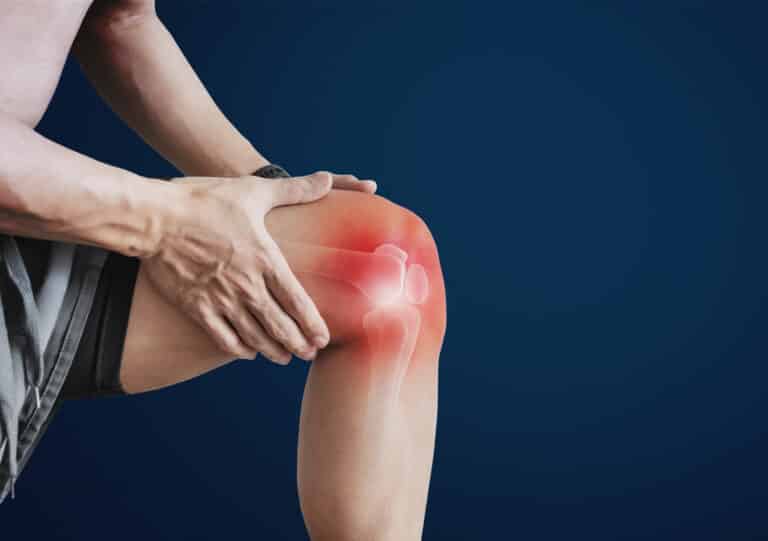
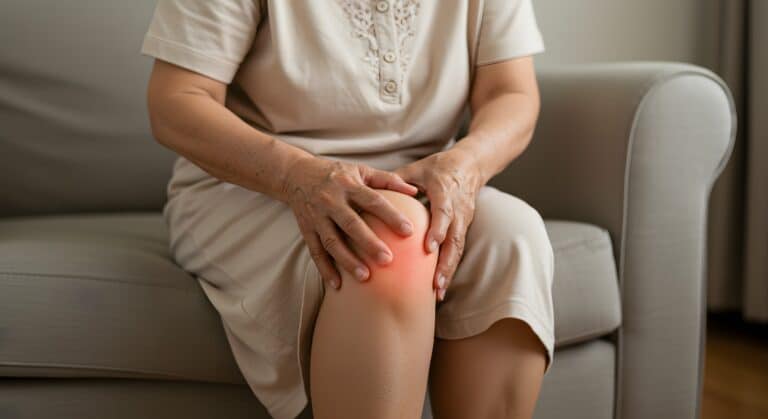
Joint pain can affect nearly every part of daily life. Whether it’s knee pain while walking, shoulder discomfort during exercise, or stiffness that makes simple activities more difficult, chronic joint issues can gradually impact mobility, independence, and overall quality of life.
While many people once believed surgery or long-term pain medication were their only options, more patients are now exploring regenerative medicine as a non-surgical approach to supporting joint health and recovery.
At Minnesota Regenerative Institute, we help patients understand regenerative medicine options designed to support the body’s natural healing processes and improve long-term wellness.
Here’s why more people are turning to regenerative medicine for joint pain relief.
Why Joint Pain Is So Common
Joints experience constant wear and stress throughout life.
Common causes of joint pain may include:
- Aging and natural wear
- Arthritis
- Sports injuries
- Repetitive strain
- Inflammation
- Previous injuries
Over time, these issues may contribute to stiffness, discomfort, swelling, and reduced mobility.
Chronic Joint Pain Can Affect Everyday Life
Joint pain often impacts much more than physical comfort.
Patients may struggle with:
- Walking or exercising comfortably
- Climbing stairs
- Sleeping well
- Participating in hobbies
- Staying physically active
Reduced movement can also contribute to muscle weakness, decreased flexibility, and lower overall wellness over time.
What Is Regenerative Medicine?
Regenerative medicine focuses on supporting the body’s natural healing and recovery processes.
The goal is to help:
- Support tissue repair
- Reduce inflammation
- Improve mobility and function
- Encourage long-term joint health
Many patients are drawn to regenerative medicine because it focuses on helping the body heal rather than simply masking symptoms.
Why Patients Are Looking for Non-Surgical Options
Many people dealing with chronic joint pain want to explore alternatives before considering surgery.
Patients are often seeking options that may help:
- Reduce downtime
- Support recovery naturally
- Improve mobility without invasive procedures
- Avoid long recovery periods
Regenerative medicine has become increasingly popular among patients looking for proactive, minimally invasive wellness solutions.
Movement Is Important for Joint Health
One of the biggest challenges with chronic pain is that discomfort may discourage physical activity.
However, regular movement helps support:
- Joint flexibility
- Muscle strength
- Circulation
- Long-term mobility
By helping patients improve comfort and mobility, regenerative medicine may help support a more active lifestyle.
Inflammation Plays a Major Role in Joint Discomfort
Inflammation is one of the most common contributors to chronic joint pain and stiffness.
It may lead to:
- Swelling
- Reduced flexibility
- Joint irritation
- Limited mobility
Supporting healthy inflammation levels is an important part of improving overall joint wellness.
Recovery and Wellness Work Together
Many patients are beginning to view wellness more proactively rather than waiting until symptoms become severe.
A comprehensive wellness approach may include:
- Supporting recovery
- Staying physically active
- Improving nutrition
- Managing stress
- Prioritizing sleep and hydration
Long-term joint health often depends on consistent daily habits combined with personalized care.
Why Personalized Care Matters for Joint Pain
Every patient’s body, lifestyle, and goals are different.
At Minnesota Regenerative Institute, personalized wellness plans are designed to help patients:
- Improve mobility
- Support joint function
- Address inflammation
- Build sustainable wellness habits
Individualized care allows treatment plans to focus on each patient’s unique needs and goals.
Healthy Habits Can Prevent Joint Pain
Daily lifestyle habits can make a meaningful difference in joint comfort and long-term mobility.
Helpful Wellness Habits Include:
- Staying physically active
- Maintaining a healthy weight
- Stretching regularly
- Staying hydrated
- Prioritizing recovery and sleep
Consistency is often one of the most important parts of long-term wellness.
Early Action May Help Protect Long-Term Mobility
Many patients wait until pain becomes severe before seeking care. However, addressing joint concerns early may help support better movement and function over time.
Early care may help:
- Improve mobility
- Reduce stiffness and discomfort
- Support long-term activity levels
- Protect overall quality of life
Being proactive about joint health can help patients stay active and independent longer.
Support Your Body’s Natural Healing Potential
More people are exploring regenerative medicine because they want solutions that focus on supporting the body’s natural healing abilities and long-term wellness—not simply masking symptoms temporarily.
At Minnesota Regenerative Institute, we’re committed to helping patients improve mobility, reduce discomfort, and support healthier movement through personalized regenerative wellness care.
Schedule your consultation today and discover why more patients are choosing regenerative medicine for joint pain relief.