
In this article
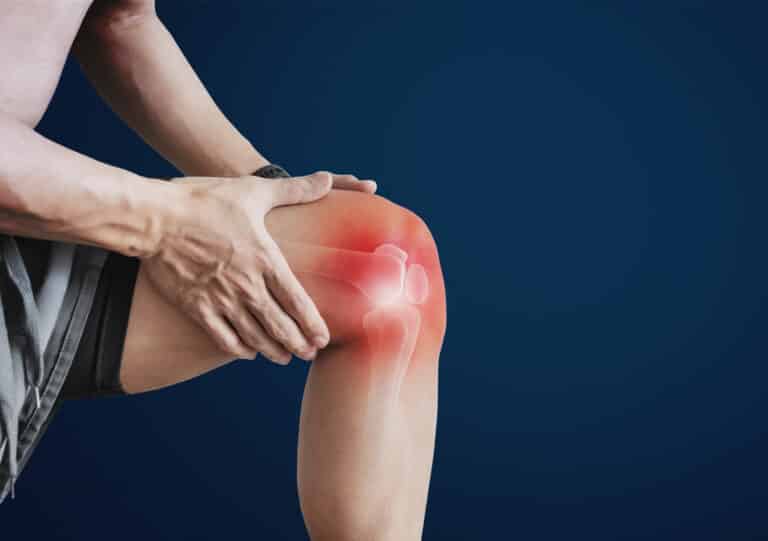
Joint pain can affect nearly every part of daily life. Whether it’s discomfort in your knees, hips, shoulders, or back, chronic pain and limited mobility can make it difficult to stay active, exercise, work comfortably, or enjoy the activities you love.
For many people, traditional treatments only provide temporary relief. That’s why more patients are turning to regenerative medicine as a non-surgical approach to supporting healing and recovery.
At Minnesota Regenerative Institute, we focus on helping patients address joint pain at the source by supporting the body’s natural healing processes. Here’s how regenerative medicine may help improve recovery, reduce discomfort, and restore mobility.
What Is Regenerative Medicine?
Regenerative medicine is an innovative approach that focuses on supporting the body’s ability to repair and restore damaged tissues naturally.
Rather than simply masking symptoms, regenerative therapies aim to:
- Reduce inflammation
- Support tissue healing
- Improve joint function
- Enhance mobility and comfort
This approach is especially appealing for patients looking to avoid surgery or long-term reliance on pain medications.
Common Causes of Joint Pain
Joint pain can develop for many reasons, including:
- Aging and wear-and-tear
- Sports injuries
- Overuse or repetitive motion
- Inflammation
- Degenerative joint conditions
Over time, joint discomfort can worsen and begin affecting overall quality of life.
Commonly Affected Areas Include:
- Knees
- Hips
- Shoulders
- Spine and lower back
- Elbows and ankles
How Regenerative Medicine Supports Recovery
Regenerative medicine works by encouraging the body’s natural healing response in areas that may be damaged or inflamed.
1. Helps Reduce Inflammation
Inflammation is one of the primary causes of pain and stiffness in the joints. Regenerative therapies help calm inflammation, which may improve comfort and mobility.
2. Supports Natural Tissue Repair
Healthy joints rely on strong, functional tissues. Regenerative medicine focuses on supporting the body’s repair mechanisms to help improve tissue health over time.
3. Improves Mobility and Function
As inflammation decreases and healing improves, many patients experience:
- Better flexibility
- Improved range of motion
- Easier movement during daily activities
4. Encourages Long-Term Relief
Rather than offering only short-term symptom management, regenerative medicine aims to address the underlying cause of discomfort and support longer-lasting improvement.
5. Non-Surgical Treatment Option
Many patients choose regenerative medicine because it offers a minimally invasive alternative to surgery with little downtime.
Who May Benefit from Regenerative Medicine?
Regenerative therapies may be appropriate for patients who:
- Experience chronic joint pain
- Want to avoid surgery
- Have lingering pain after injuries
- Feel limited by stiffness or reduced mobility
- Haven’t found lasting relief with traditional treatments
Every patient is different, which is why personalized evaluations are important.
Conditions Often Treated
At Minnesota Regenerative Institute, regenerative medicine may help support patients dealing with:
- Knee pain
- Shoulder pain
- Hip discomfort
- Arthritis-related symptoms
- Spine and back pain
- Sports injuries
Treatment plans are tailored to each individual’s needs, symptoms, and goals.
What to Expect During Your Evaluation
Your care begins with a comprehensive assessment to better understand your symptoms, mobility concerns, and overall health.
Your Visit May Include:
- Review of medical history and symptoms
- Physical examination and movement assessment
- Discussion of treatment options
- Personalized recovery recommendations
Our goal is to create a plan that supports healing while helping you stay active and comfortable.
Supporting Recovery Naturally
In addition to regenerative treatments, healthy lifestyle habits can further support joint health and recovery.
Helpful Habits Include:
- Staying active with low-impact exercise
- Maintaining a healthy weight
- Following an anti-inflammatory diet
- Prioritizing sleep and recovery
- Staying consistent with treatment recommendations
These habits help create an environment where the body can heal more effectively.
Don’t Let Joint Pain Hold You Back
Joint pain doesn’t have to control your lifestyle or limit the things you enjoy. Regenerative medicine offers a promising option for patients looking for natural, non-surgical support for pain and recovery.
At Minnesota Regenerative Institute, we’re committed to helping patients move better, feel stronger, and regain confidence in their daily lives.
If you’re struggling with joint pain or reduced mobility, schedule your consultation today and learn how regenerative medicine may support your recovery.