
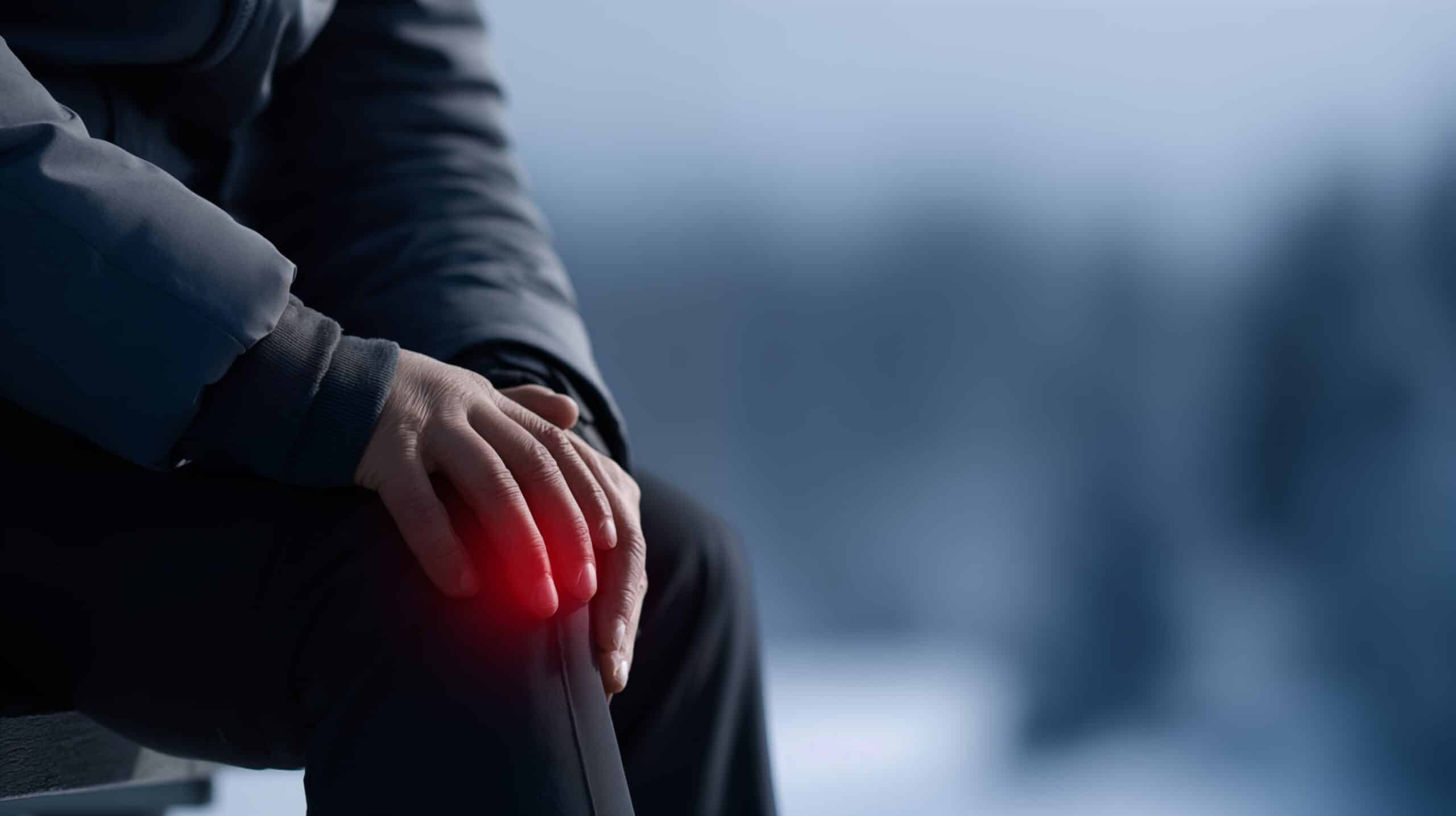
If old injuries seem to ache more once the temperature drops, you’re not imagining it. Many people notice increased pain, stiffness, and limited mobility during winter — especially in areas affected by past injuries. Cold weather can intensify symptoms and slow recovery, making lingering injuries harder to ignore.
At Minnesota Regenerative Institute, we help patients understand why winter makes pain worse and how regenerative medicine can support healing when traditional approaches fall short.
Cold Temperatures Increase Stiffness
Cold weather causes muscles, tendons, and ligaments to tighten. When soft tissues lose flexibility, joints don’t move as smoothly. This stiffness can place extra stress on areas that were previously injured, leading to discomfort and reduced range of motion.
Injured tissue is often already less resilient than healthy tissue, so it reacts more strongly to temperature changes. Even minor movements can feel more painful when tissues are tight and less elastic.
Reduced Blood Flow Slows Healing
Cold temperatures cause blood vessels to constrict, which limits circulation. Good blood flow is essential for delivering oxygen and nutrients that support tissue repair. When circulation decreases, healing slows — and pain signals may increase.
For people with chronic injuries, this reduced circulation can mean lingering inflammation sticks around longer, making symptoms more noticeable throughout winter.
Changes in Air Pressure Can Affect Joints
Seasonal drops in barometric pressure may contribute to joint discomfort. When pressure changes, tissues surrounding joints can expand slightly, increasing pressure within the joint space. Areas with prior damage or inflammation tend to be more sensitive to these shifts.
This is why old injuries often “predict the weather” before storms or cold fronts arrive.
Less Movement Makes Pain Worse
Winter often leads to more time indoors and less physical activity. Reduced movement can cause joints to stiffen and muscles to weaken — both of which increase pain over time.
While rest is important, too much inactivity allows lingering injuries to tighten and lose strength, creating a cycle of stiffness and discomfort that’s hard to break.
Inflammation Lingers Longer in Winter
Cold weather doesn’t cause inflammation, but it can make existing inflammation more noticeable. Past injuries often leave behind low-grade inflammation that flares up under stress. Winter habits like poor posture, inactivity, and cold exposure can amplify those symptoms.
Over-the-counter pain relievers may temporarily mask discomfort, but they don’t address the underlying tissue damage.
How Regenerative Medicine Can Help
Regenerative treatments focus on supporting the body’s natural healing processes rather than simply managing symptoms. By targeting damaged tissue directly, regenerative therapies aim to reduce inflammation, improve circulation, and promote long-term healing.
These treatments are especially helpful for injuries that haven’t responded to rest, physical therapy, or medications alone.
Don’t Let Winter Control Your Comfort
Lingering injuries don’t have to define your winter. Understanding why pain worsens this time of year allows you to take proactive steps toward relief and recovery.
At Minnesota Regenerative Institute, we specialize in helping patients find lasting solutions for chronic pain and old injuries. If winter is making your discomfort harder to manage, now is the time to explore options that support healing — not just temporary relief.
Schedule a consultation and take control of your comfort this season.
Related Posts

How Regenerative Medicine Supports Joint Pain and Recovery
Joint pain can affect nearly every part of daily life. Whether it’s discomfort...

Why Lingering Injuries Hurt More in Winter
If old injuries seem to ache more once the temperature drops, you’re not...

Fall Back into Alignment: How Seasonal Changes Affect Your Joints and Spine
As autumn arrives in Minnesota, the air gets crisper, the leaves start to fall,...

Why Cold Weather Makes Joint and Nerve Pain Feel Worse
If you’ve ever noticed your joint or nerve pain flares up when temperatures...