
Regenerative Medicine: Healing Beyond Traditional Treatment
For many people living with chronic pain, joint injuries, or long-term inflammation, traditional treatment options often focus on managing symptoms rather than addressing the root cause. Pain medications, repeated injections, or even surgery can sometimes provide temporary relief, but they may not always lead to lasting healing. This is where regenerative medicine offers a different path — one centered on supporting the body’s natural ability to repair itself.
At Minnesota Regenerative Institute, regenerative therapies are designed to move beyond symptom control and focus on restoring function, reducing discomfort, and improving overall quality of life. Instead of masking pain, regenerative medicine works to encourage the body’s own healing processes.
What Is Regenerative Medicine?
Regenerative medicine is an advanced field of healthcare that focuses on stimulating the body’s natural repair mechanisms to heal damaged tissues, reduce inflammation, and improve mobility. Rather than replacing tissue through surgery or relying solely on medication, regenerative therapies aim to enhance how the body heals itself.
These treatments are often used for conditions affecting joints, tendons, ligaments, muscles, and even certain degenerative issues. The goal is not just relief, but restoration — helping the body return to healthier function over time.
How Regenerative Therapies Differ From Traditional Care
Traditional treatments for pain and injury frequently emphasize symptom management. For example:
- Pain medications may dull discomfort but do not repair damaged tissue.
- Steroid injections can reduce inflammation temporarily but may need to be repeated.
- Surgery can be effective in some cases, but it often involves downtime, risk, and extended recovery periods.
Regenerative medicine takes a different approach by focusing on long-term healing rather than short-term relief. Instead of simply covering up pain signals, regenerative therapies encourage the body to rebuild and strengthen weakened or damaged areas.
Common Conditions Treated With Regenerative Medicine
Regenerative treatments are increasingly used to address a wide range of musculoskeletal concerns. While not every condition is a candidate, many individuals seek regenerative care for:
- Knee, hip, or shoulder discomfort
- Arthritis and joint degeneration
- Tendon or ligament injuries
- Sports-related injuries
- Back and neck pain
- Chronic inflammation
- Limited mobility or stiffness
People who want to avoid surgery, reduce reliance on medication, or explore non-invasive options often find regenerative medicine appealing.
The Science Behind Natural Healing
The human body is built with remarkable healing abilities. When you cut your skin or strain a muscle, your body immediately begins repairing the damaged area. Regenerative medicine works by amplifying and directing this natural response.
While specific therapies vary, the core idea remains the same: introduce or stimulate biological elements that signal the body to repair tissue more effectively. This can promote healthier cell activity, improve circulation to the injured area, and reduce inflammation — all critical components of healing.
Benefits of Regenerative Medicine
One of the reasons regenerative therapies continue to grow in popularity is the wide range of potential benefits they offer. While outcomes vary by individual, many patients report:
- Reduced discomfort and inflammation
- Improved joint mobility and flexibility
- Faster recovery from injuries
- Enhanced physical function
- Reduced dependence on pain medications
- Non-surgical treatment options
- Minimal downtime compared to invasive procedures
Because these therapies work with the body rather than against it, they often feel like a more natural path to recovery for many individuals.
Who Is a Good Candidate?
Regenerative medicine is not a one-size-fits-all solution, which is why personalized evaluations are essential. Ideal candidates often include individuals who:
- Experience chronic joint or musculoskeletal discomfort
- Want to delay or avoid surgery
- Have not found lasting relief from traditional treatments
- Are active and wish to maintain mobility
- Prefer minimally invasive approaches
Age alone does not necessarily determine eligibility. Many adults of varying ages pursue regenerative care to maintain active lifestyles and preserve joint health.
The Importance of a Personalized Approach
Every body heals differently. Factors such as lifestyle, overall health, activity level, and the severity of the condition all influence outcomes. That’s why regenerative medicine emphasizes customized treatment planning rather than generic solutions.
A thorough consultation typically evaluates medical history, physical function, and patient goals. This ensures the chosen therapy aligns with the individual’s needs and expectations.
Healing Beyond Pain Relief
One of the most significant advantages of regenerative medicine is that it looks beyond immediate symptom control. Instead of asking, “How do we stop the pain today?” regenerative care asks, “How do we help the body function better tomorrow?”
This mindset shift can lead to long-term improvements in movement, strength, and overall wellness. Many patients find that as discomfort decreases, they are able to return to activities they once avoided — whether that’s exercising, gardening, traveling, or simply moving through daily life more comfortably.
Supporting Long-Term Wellness
Regenerative medicine works best when paired with healthy lifestyle habits. Movement, proper nutrition, hydration, and strength training all support the body’s healing processes. When combined with professional care, these habits can create a strong foundation for lasting results.
Patients are often encouraged to remain active within their comfort level, maintain balanced diets, and follow recommended rehabilitation or mobility exercises. Healing is not just about a single treatment — it’s about building a supportive environment for the body to thrive.
Looking Toward the Future of Care
As healthcare continues to evolve, regenerative medicine represents a promising direction focused on restoration rather than replacement. For many individuals seeking alternatives to surgery or long-term medication use, regenerative therapies provide hope for improved comfort and mobility.
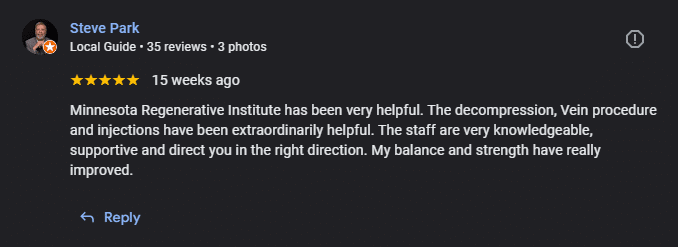
At Minnesota Regenerative Institute, the mission is to empower patients with options that work with their bodies’ natural abilities. Healing does not always have to mean invasive procedures or endless symptom management. Sometimes, it means giving the body the tools it needs to repair, strengthen, and move forward with renewed confidence.
Regenerative medicine isn’t just about recovery — it’s about reclaiming movement, restoring function, and redefining what healing can look like.
Learn More