
Why Regenerative Medicine Is the Future of Pain Relief
Chronic pain is one of the most widespread and challenging health issues people face today. Whether it’s back pain, joint discomfort, arthritis, or repetitive strain injuries, traditional treatments often provide only temporary relief—if any at all. Many people find themselves stuck in a cycle of medications, injections, and surgeries that don’t truly solve the problem. At Minnesota Regenerative Institute, we offer a different approach: regenerative medicine, a cutting-edge field that helps your body repair itself naturally.
What Makes Regenerative Medicine Different?
The goal of regenerative medicine is to heal, not just mask symptoms. It uses your body’s own cells and biological processes to repair damaged tissues, reduce inflammation, and restore function. Unlike painkillers that just numb the discomfort or surgeries that can be invasive with long recovery times, regenerative therapies target the source of pain and stimulate true healing from the inside out.
Conditions We Commonly Treat
- Osteoarthritis (knees, hips, shoulders, hands)
- Chronic back and neck pain
- Tendonitis and ligament injuries
- Degenerative joint conditions
- Sports injuries
- Plantar fasciitis
- Sciatica and nerve-related pain
The Long-Term Benefits
- Reduced or eliminated chronic pain
- Avoidance of surgery or prolonged medication use
- Enhanced mobility and joint function
- Faster recovery from injuries
- Improved quality of life
A Personalized Approach to Healing
At Minnesota Regenerative Institute, no two patients are treated exactly the same. We take the time to evaluate your condition, understand your goals, and tailor a regenerative treatment plan that fits your unique needs. Our focus is on helping you return to the activities you love—without pain holding you back.
Is Regenerative Medicine Right for You?
If you’ve tried everything for chronic pain and still don’t have lasting relief, regenerative medicine could be your next step. These natural, minimally invasive treatments are safe, effective, and backed by growing clinical research. Many patients notice improvement within weeks and continue to heal over time.
Take the Next Step Toward a Pain-Free Life
You don’t have to live with chronic pain. At Minnesota Regenerative Institute, we help you break free from the limitations pain can cause—naturally and effectively. Contact us today to schedule your consultation and discover how regenerative medicine can help restore your health and your freedom.
Learn More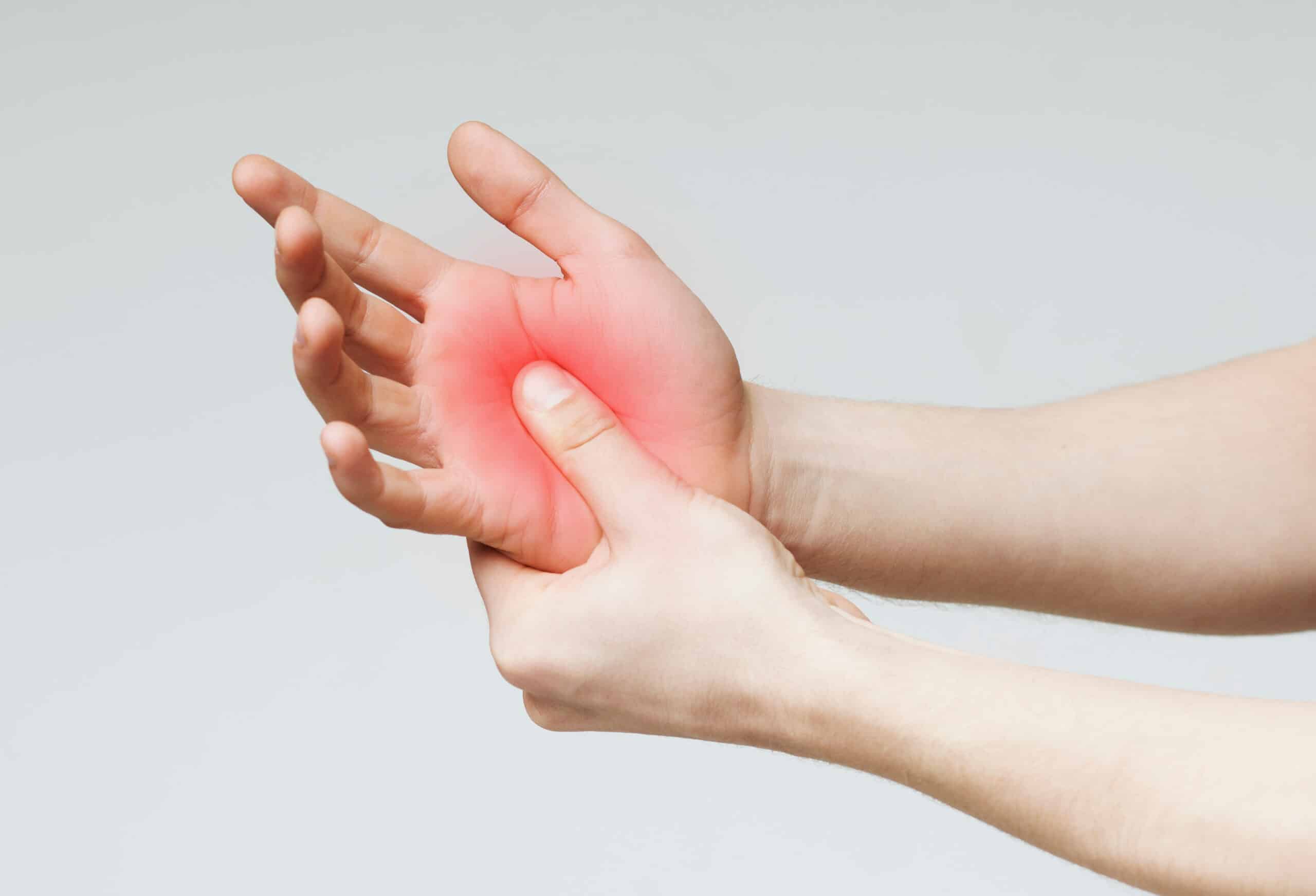
How Neuropathy Treatment Can Improve Your Quality of Life
Neuropathy is a condition that affects the nerves outside the brain and spinal cord. It can cause a range of symptoms, including pain, tingling, numbness, and weakness in the hands and feet. It can be caused by various factors, including diabetes, chemotherapy, alcohol use, or even certain autoimmune diseases. If you’re dealing with neuropathy, the good news is that there is hope for improvement and even recovery. At Minnesota Regenerative Institute, cutting-edge treatments are transforming the lives of individuals struggling with this debilitating condition.
What is Neuropathy?
Neuropathy refers to nerve damage that typically manifests in the peripheral nerves—the ones outside the brain and spinal cord. These nerves are responsible for sending signals between your brain and other parts of your body. When they’re damaged, it can lead to chronic pain, muscle weakness, and sensory disturbances like tingling or numbness.
While neuropathy is often linked to diabetes, other causes can include poor circulation, vitamin deficiencies, and infections. Regardless of the cause, the effects can be life-altering, significantly affecting your daily activities and overall quality of life.
The Minnesota Regenerative Institute Approach to Neuropathy Treatment
At Minnesota Regenerative Institute, the approach to treating neuropathy is rooted in advanced regenerative medicine. It focuses on healing and restoring the body’s natural ability to regenerate damaged tissues. Unlike traditional treatments that mainly address symptoms through medications, their treatments aim to target the root cause of nerve damage and repair the nerves at a cellular level.
Here are the primary regenerative treatments offered by the institute to treat neuropathy:
1. Regenerative Cell Therapy
Regenerative cell therapy involves using the body’s own cells to stimulate healing. Stem cells, which have the unique ability to regenerate and repair damaged tissue, are harvested and then introduced to the affected area. These cells help promote healing, reduce inflammation, and regenerate the damaged nerves, giving your body the chance to heal naturally.
This therapy can significantly reduce the pain and discomfort associated with neuropathy. In many cases, can restore lost nerve function, helping patients regain some normalcy in their lives.
2. Platelet-Rich Plasma (PRP) Therapy
PRP therapy involves extracting a small amount of your blood, concentrating the platelets, and then injecting them into the affected area. Platelets contain growth factors that are essential in tissue repair and regeneration. For neuropathy patients, PRP can help stimulate the repair of damaged nerves. This can reduce inflammation and promote healing at a cellular level.
With PRP therapy, patients experience reduced pain and inflammation. Further, they experience improved circulation, which plays a key role in nerve health.
3. Neurostimulation Therapy
Neurostimulation therapy uses electrical impulses to stimulate nerve tissue, promoting better function and reducing pain. This non-invasive treatment helps to retrain the damaged nerves to respond properly, improving sensations like touch and temperature sensitivity. It can also help increase blood flow to the affected areas, supporting nerve health and recovery.
For patients with severe neuropathy, neurostimulation can provide relief from chronic pain and restore some lost functionality, improving their ability to engage in everyday activities.
4. Laser Therapy
Low-level laser therapy (LLLT) is another innovative approach used at Minnesota Regenerative Institute. It uses specific wavelengths of light to stimulate cellular repair and regeneration. This painless treatment can help reduce inflammation, enhance blood circulation, and speed up the healing process in damaged nerve tissues.
Laser therapy can be an excellent adjunct to other regenerative treatments, speeding up the recovery process and providing faster relief for neuropathy symptoms.
How These Treatments Improve Quality of Life
When you’re dealing with neuropathy, everyday activities like walking, holding objects, or even typing can become incredibly challenging. The treatments at Minnesota Regenerative Institute are designed to not only alleviate pain but to improve your overall functionality and mobility. Here’s how these treatments can enhance your life:
- Pain Reduction: Chronic pain is a hallmark of neuropathy, but regenerative treatments work to reduce pain by promoting healing at the root of the problem. Many patients experience a significant reduction in discomfort, allowing them to live more comfortably.
- Improved Mobility: With treatments like regenerative cell therapy and neurostimulation, nerve function can be restored, leading to better mobility. Patients who have difficulty walking or performing simple tasks due to numbness or weakness often notice significant improvements in their ability to move freely.
- Better Sleep Quality: Neuropathy can often lead to disrupted sleep due to discomfort or pain. With successful treatment, many patients find that they can sleep better, leading to improved mental and physical well-being.
- Increased Independence: With restored nerve function and reduced pain, patients often regain their independence. They can return to the activities they love, whether it’s exercising, cooking, or spending time with family and friends, all of which contribute to a better quality of life.
- Reduced Reliance on Medications: Traditional treatments for neuropathy often rely on pain medications, which may only mask symptoms and come with side effects. The regenerative therapies at Minnesota Regenerative Institute provide long-term relief without the need for medication dependency.
Why Choose Minnesota Regenerative Institute?
What sets Minnesota Regenerative Institute apart is their commitment to personalized care. They don’t treat just the symptoms; they look at the whole person and work to address the root causes of neuropathy. The team of experts at the institute takes the time to understand your unique situation and tailor a treatment plan that’s right for you.
Moreover, their innovative and evidence-based approach to regenerative medicine provides patients with non-invasive options that have shown promising results in clinical studies. The treatments are safe, effective, and designed to promote long-term healing.
Take the First Step Toward a Better Quality of Life
If you’re struggling with neuropathy, the Minnesota Regenerative Institute can help you take control of your health and begin the journey toward improved well-being. With advanced treatments that focus on healing, you don’t have to live with the debilitating effects of nerve damage any longer.
Schedule a consultation today and discover how the regenerative therapies at Minnesota Regenerative Institute can transform your quality of life, helping you feel better, move better, and live better.
Learn More
What is Platelet-Rich Plasma (PRP) Therapy?
Platelet-Rich Plasma (PRP) therapy is a powerful and natural treatment that uses your body’s own healing abilities to treat injuries and chronic pain. At Minnesota Regenerative Institute, we offer PRP therapy as a safe, non-surgical option to help you recover faster and feel better. But what exactly is PRP, and how can it help you? Let’s dive into the details.
What is PRP Therapy?
PRP therapy involves using a concentrated solution of your own blood platelets to promote healing. Platelets are small cells in your blood that help with clotting, but they also contain growth factors that stimulate tissue repair and regeneration. When injected into an injured or painful area, it helps accelerate healing, reduce inflammation, and improve tissue function.
How Does PRP Therapy Work?
The process starts with a simple blood draw from your arm. The blood is then placed in a centrifuge, where it is spun at high speeds to separate the platelets from the other components of your blood. The result is a concentrated serum that contains a high number of platelets. This treatment is then injected directly into the area needing treatment.
The growth factors in the treatment stimulate the body’s natural healing process, speeding up recovery and improving the overall function of tissues.
What it Treats
PRP therapy is used to treat a variety of conditions, particularly those involving soft tissue injuries, joint pain, and chronic inflammation. Some of the most common conditions treated with it include:
- Tendon and Ligament Injuries: It can help heal injuries like tennis elbow, Achilles tendonitis, and rotator cuff tears.
- Osteoarthritis: PRP helps regenerate cartilage and reduce inflammation in arthritic joints, such as the knee, hip, and shoulder.
- Sports Injuries: It is commonly used for injuries caused by overuse, like sprains, strains, and muscle tears.
- Chronic Back and Neck Pain: PRP can promote healing in damaged discs and tissues in the spine.
- Plantar Fasciitis: This painful condition in the heel can be alleviated with these injections that promote tissue repair.
Benefits
- Natural Healing: Since it is made from your own blood, there’s little risk of allergic reactions or side effects.
- Non-Surgical: This therapy offers a non-invasive option for healing, avoiding the need for surgery.
- Faster Recovery: It accelerates the healing process, helping you recover more quickly from injuries and pain.
- Reduced Pain and Inflammation: These injections can help decrease inflammation, leading to less pain and discomfort.
- Long-Term Results: It can offer long-lasting improvements in tissue function and pain relief.
The Process
- Consultation: We’ll evaluate your condition and discuss whether this therapy is right for you.
- Blood Draw: A small amount of blood is drawn from your arm.
- Preparation: The blood is spun in a centrifuge to concentrate the platelets.
- Injection: The PRP is injected directly into the treatment area, where it begins working to promote healing.
- Recovery: There is little downtime after the procedure, though some mild discomfort may occur at the injection site.
Is PRP Therapy Right for You?
If you’re dealing with chronic pain or an injury and are looking for a natural, non-surgical solution, PRP therapy could be the answer. At Minnesota Regenerative Institute, we specialize in PRP therapy and are committed to helping you heal faster and more effectively.
Contact us today to learn more about PRP therapy and find out how it can help you recover from injuries and manage pain. Let’s get you back to feeling your best with the healing power of your own body.
Learn More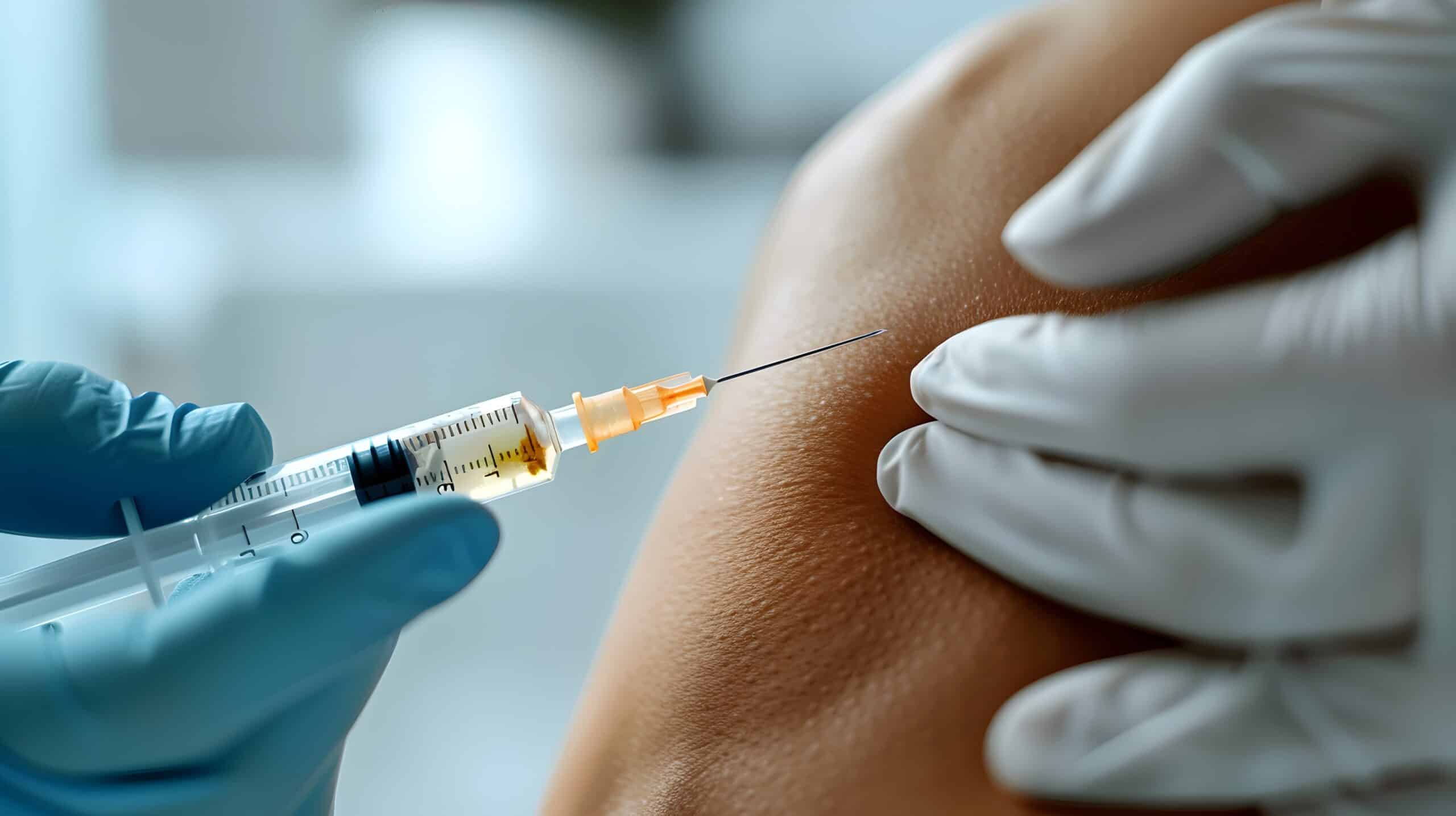
Understanding Regenerative Medicine
At Minnesota Regenerative Institute, we are committed to providing innovative and effective solutions for pain relief. One of the most promising and cutting-edge approaches to healing is regenerative medicine. This groundbreaking field is transforming the way we treat pain, injury, and degenerative conditions. In this blog, we will explore what regenerative medicine is, how it works, and why it may be the future of pain relief at Minnesota Regenerative Institute.
1. What is Regenerative Medicine?
Regenerative medicine is a branch of medicine that focuses on harnessing the body’s natural ability to repair, regenerate, and heal. By stimulating the body’s inherent healing processes, regenerative therapies aim to restore damaged or injured tissues without the need for invasive surgeries or long recovery times. This approach utilizes cutting-edge technologies, including stem cell therapy, platelet-rich plasma (PRP) therapy, and other advanced techniques to promote healing and reduce pain.
2. How Does it Work?
Regenerative medicine works by harnessing the healing properties of the body’s own cells. For example, stem cell therapy uses stem cells to stimulate tissue regeneration, repair damaged tissues, and promote healing in areas that have been affected by injury or degenerative conditions like arthritis. Similarly, PRP therapy involves using a concentrated solution of your own blood platelets to accelerate the healing of injured tissues and reduce inflammation. These treatments work to regenerate the damaged tissues and restore function, providing long-lasting pain relief without the need for traditional surgeries or medications.
3. Treating Chronic Pain
One of the most significant advantages of regenerative medicine is its ability to treat chronic pain at the source. Chronic pain, often caused by conditions like osteoarthritis, tendonitis, or spinal injuries, can be debilitating and difficult to manage. Traditional treatments such as pain medications or surgery may only address the symptoms, not the underlying problem. Regenerative therapies target the root cause of the pain by stimulating tissue repair and reducing inflammation. This provides long-term relief without relying on medications or invasive procedures.
4. Benefits
The benefits of regenerative medicine are numerous. By promoting natural healing, these treatments offer a safe, non-invasive alternative to surgery and pain medications. Some of the key benefits of regenerative medicine include:
- Faster recovery: Regenerative therapies help speed up the healing process. This allows patients to recover more quickly and return to their daily activities with minimal downtime.
- Reduced pain and inflammation: By targeting the root cause of pain and inflammation, regenerative treatments provide long-lasting relief.
- Improved mobility and function: Regenerative medicine helps restore the function and mobility of affected areas, improving overall quality of life.
- Fewer side effects: Since regenerative treatments use the body’s own cells, there is a lower risk of complications or side effects compared to surgery or medicine.
5. Conditions Treated with Regenerative Medicine
Regenerative medicine is a versatile treatment option that can address a wide range of conditions. Some of the most common conditions treated with regenerative therapies at Minnesota Regenerative Institute include:
- Osteoarthritis: Regenerative treatments help reduce inflammation, repair cartilage, and slow the progression of arthritis, providing long-term pain relief.
- Tendon and ligament injuries: Whether from overuse or trauma, regenerative therapies can promote healing to injured tendons and ligaments.
- Spinal conditions: Disc degeneration, herniated discs, and spinal arthritis can all be treated with regenerative therapies to reduce pain and improve mobility.
- Musculoskeletal injuries: Regenerative medicine is effective for treating muscle strains, joint injuries, and other musculoskeletal conditions that cause chronic pain.
6. Why Choose Minnesota Regenerative Institute?
At Minnesota Regenerative Institute, we are dedicated to offering the most advanced and effective regenerative therapies available. Our team of experienced professionals takes a personalized approach to your care. We develop customized treatment plans tailored to your specific needs and goals. Whether you are struggling with chronic pain, recovering from an injury, or looking for a non-invasive alternative to surgery, regenerative medicine can help you achieve the pain relief and healing you need.
We utilize the latest technology and techniques to ensure that you receive the best possible care. Our goal is to help you return to an active lifestyle with minimal downtime and no reliance on long-term medication.
If you are tired of living with chronic pain or are looking for a non-invasive, drug-free solution, regenerative medicine at Minnesota Regenerative Institute may be the answer. Our team is here to help you discover the power of regenerative therapies and guide you on your journey to a pain-free, active life. Schedule a consultation with us today to learn how regenerative medicine can transform your health and help you achieve lasting pain relief.
Learn More