
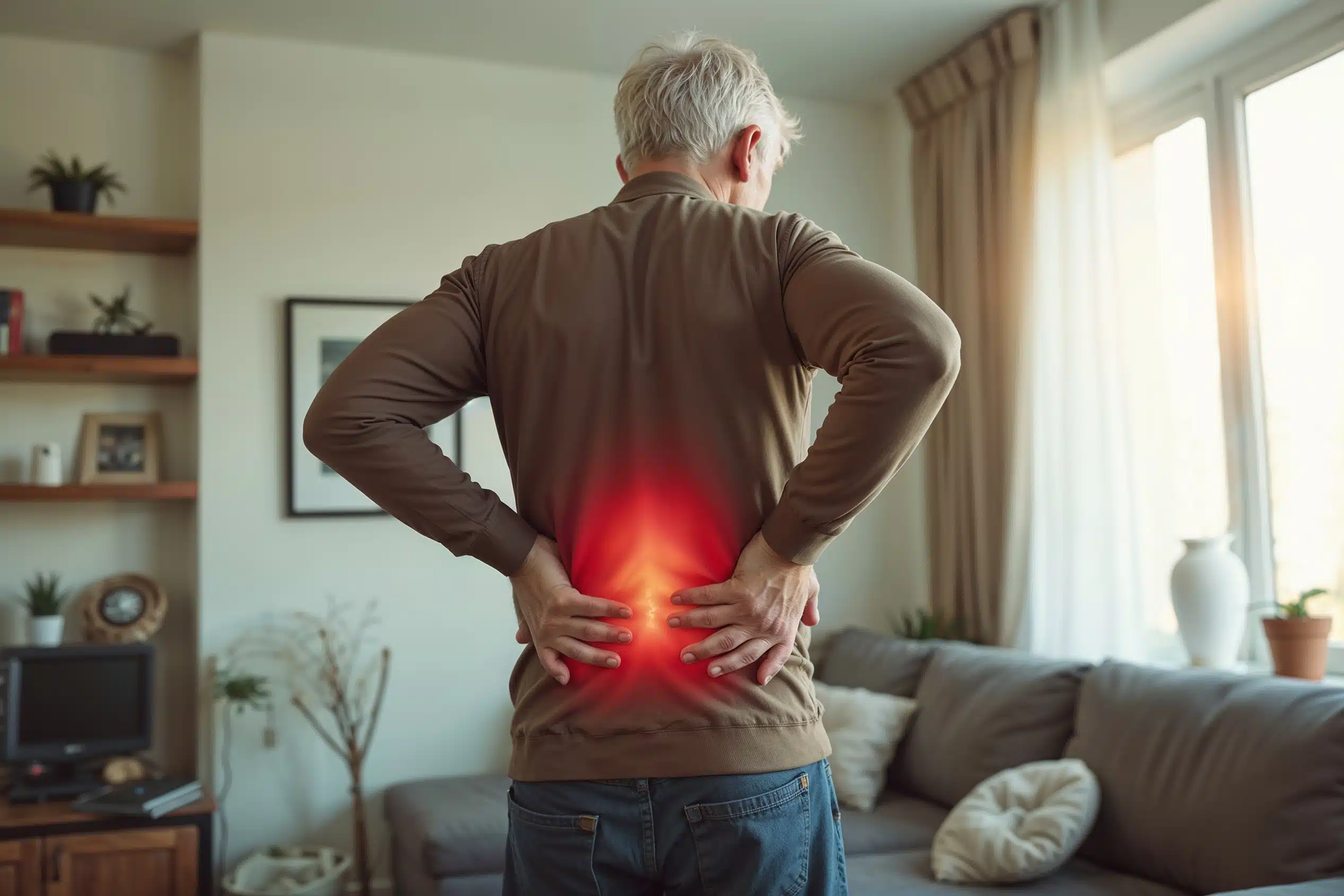
Chronic Pain and Lifestyle: Small Changes, Big Impact
Living with chronic pain can feel like an endless cycle of discomfort and frustration. Whether it’s back pain, joint stiffness, headaches, or neuropathy, persistent pain can affect every aspect of your life — from how you move and sleep to how you think and feel.
At Minnesota Regenerative Institute, we understand that pain management isn’t just about treatments; it’s about empowering patients with lifestyle tools that make a measurable difference. While medical therapies like regenerative medicine, chiropractic care, and physical rehabilitation play a vital role, small, consistent lifestyle changes can amplify your results and support long-term relief.
In this post, we’ll explore how small, everyday habits — from nutrition to mindset — can create a big impact on managing chronic pain.
1. Understanding Chronic Pain
Chronic pain lasts longer than three months and often persists even after the initial injury has healed. It’s not just a physical sensation — it involves your nervous system, immune response, and even emotional health.
Conditions like arthritis, fibromyalgia, degenerative disc disease, and neuropathy are common culprits, but chronic pain can also stem from repetitive strain, poor posture, or nerve damage. Because pain affects multiple systems in the body, lifestyle adjustments can help address root causes rather than just masking symptoms.
2. The Role of Movement and Gentle Exercise
When you’re in pain, movement is often the last thing you want to do — but it’s one of the most powerful tools for recovery. Gentle, low-impact exercise helps increase circulation, strengthen muscles, and reduce inflammation.
Here are a few beginner-friendly options:
- Walking: Just 20–30 minutes a day can increase endorphins (your body’s natural painkillers) and reduce stiffness.
- Stretching or yoga: Improves flexibility and balance while easing tension in tight muscles.
- Water therapy: Aquatic exercises support your joints and reduce impact while building strength.
If you’re unsure where to start, our care team at Minnesota Regenerative Institute can create a personalized rehabilitation plan that fits your current pain level and goals.
3. Anti-Inflammatory Nutrition: Food as Medicine
Your diet can either fuel inflammation or fight it. Research shows that chronic inflammation is linked to worsening pain, especially in conditions like arthritis, back pain, and neuropathy.
Try incorporating these anti-inflammatory foods into your daily meals:
- Omega-3 fatty acids (salmon, chia seeds, walnuts)
- Antioxidant-rich fruits and vegetables (berries, spinach, kale)
- Spices like turmeric and ginger, which have natural pain-relieving properties
- Whole grains instead of refined carbs
Limit foods that can trigger inflammation such as refined sugar, processed meats, and excessive alcohol. Even small dietary swaps can create noticeable changes in your pain levels and energy within weeks.
4. Restorative Sleep and Pain Relief
Poor sleep doesn’t just make you tired — it intensifies your pain sensitivity. In fact, studies show that people with chronic pain who don’t get quality rest often experience higher inflammation and slower healing.
To improve your sleep hygiene:
- Go to bed and wake up at the same time daily
- Keep your room dark, cool, and device-free
- Try gentle evening stretches or deep-breathing exercises
- Avoid caffeine or heavy meals close to bedtime
If pain is keeping you awake, discuss treatment options such as neuropathy therapy, chiropractic adjustments, or regenerative treatments that can reduce the underlying discomfort and improve your sleep quality.
5. Mind-Body Connection: Managing Stress and Emotions
Chronic pain isn’t just physical — it also impacts your emotional well-being. High stress levels can increase muscle tension, inflammation, and nerve sensitivity. Learning to calm your nervous system can help break the pain cycle.
Try these techniques to support your mental and physical health:
- Mindful breathing or meditation: Even five minutes a day can help reduce pain perception.
- Progressive muscle relaxation: Focus on tensing and relaxing each muscle group to release stored tension.
- Journaling or gratitude practice: Helps shift focus away from pain and toward positive progress.
Our team at Minnesota Regenerative Institute often integrates mind-body education into care plans to help patients rebuild resilience and restore balance.
6. Ergonomics and Posture: Your Everyday Pain Triggers
Many chronic pain cases — especially neck, shoulder, and back pain — are aggravated by posture and repetitive strain.
Quick ergonomic upgrades that can make a big difference:
- Keep your screen at eye level to prevent neck strain
- Use a lumbar support cushion for your lower back
- Take standing or stretching breaks every 30 minutes
- Adjust your workspace so your elbows stay close to your body
Chiropractic adjustments and posture training at Minnesota Regenerative Institute can further realign your spine and relieve stress on muscles and nerves caused by poor ergonomics.
7. Regenerative Medicine and Lifestyle: A Powerful Partnership
Regenerative therapies — such as platelet-rich plasma (PRP) and cell-based treatments — work by stimulating your body’s natural healing response. But their success often depends on your overall wellness habits.
When combined with proper nutrition, exercise, and stress management, regenerative treatments can deliver longer-lasting results. Patients who follow healthy lifestyle practices often experience faster recovery, reduced inflammation, and improved mobility.
8. Building Sustainable Habits for Long-Term Relief
You don’t have to overhaul your entire life overnight. Start small:
- Replace one processed snack with a whole-food option.
- Take a 10-minute walk after lunch.
- Stretch during TV commercials.
- Schedule regular chiropractic or therapy sessions.
Each small action adds up — and consistency is what creates real, sustainable improvement. Chronic pain management is a journey, but with the right support and daily effort, your body can adapt, heal, and thrive.
9. When to Seek Professional Support
If lifestyle changes alone aren’t enough, you may benefit from a customized treatment plan at Minnesota Regenerative Institute. Our team specializes in natural, non-surgical pain relief options, including:
- Chiropractic care and spinal alignment
- Regenerative medicine therapies
- Neuropathy and nerve treatments
- Physical rehabilitation and corrective exercise
- Massage therapy and soft tissue work
We focus on identifying the root cause of your pain rather than masking symptoms, helping you return to an active, fulfilling lifestyle.
10. The Takeaway: Small Steps, Big Difference
Managing chronic pain doesn’t have to mean relying on medication or living with limitations. With simple, intentional lifestyle changes — and the right clinical support — you can regain control over your body and your life.
At Minnesota Regenerative Institute, we’re here to help you every step of the way. From innovative regenerative therapies to personalized rehabilitation, our goal is to restore function, relieve pain, and help you feel like yourself again.
Learn More
How Lifestyle Choices Affect Chronic Pain
Chronic pain impacts millions of people, making daily activities difficult and lowering overall quality of life. While medical treatments and therapies play an important role in managing pain, your day-to-day choices can make a big difference too. At Minnesota Regenerative Institute in Baxter, MN, we help patients understand how lifestyle habits influence pain and provide guidance to support long-term relief.
The Link Between Lifestyle and Chronic Pain
Chronic pain is complex. It often stems from a mix of injury, inflammation, posture, stress, and underlying health conditions. While some of these factors are out of your control, lifestyle choices can either aggravate pain or help reduce it.
Nutrition and Inflammation
What you eat affects how your body responds to pain. Diets high in processed foods, sugar, and unhealthy fats can increase inflammation, which often worsens conditions like arthritis, back pain, and fibromyalgia. On the other hand, nutrient-rich foods—such as fruits, vegetables, lean proteins, and omega-3 fatty acids—help calm inflammation and support overall healing.
Physical Activity and Mobility
Lack of movement can stiffen joints and weaken muscles, making pain worse over time. Gentle, regular exercise improves circulation, strengthens the body, and releases endorphins—the body’s natural painkillers. Even simple activities like walking, stretching, or swimming can ease discomfort and prevent future flare-ups.
Stress and Sleep
Stress and chronic pain often go hand in hand. High stress levels can trigger muscle tension and increase sensitivity to pain signals. Poor sleep further intensifies pain, creating a cycle that’s hard to break. Relaxation techniques such as meditation, yoga, or deep breathing, combined with healthy sleep habits, can lower stress and give the body the rest it needs to repair.
Weight Management
Excess weight places extra pressure on joints, particularly in the knees, hips, and spine. This strain can make pain worse and limit mobility. Maintaining a healthy weight through balanced nutrition and regular exercise can reduce pressure on your body and ease pain levels.
Taking a Holistic Approach to Pain Relief
At Minnesota Regenerative Institute, we believe in addressing pain at its source, not just masking symptoms. By combining regenerative therapies with lifestyle guidance, we help patients achieve lasting results. Simple changes in diet, movement, and stress management can make a significant impact on how your body feels and functions every day.
Take Control of Your Pain
You don’t have to let chronic pain control your life. At Minnesota Regenerative Institute in Baxter, MN, we’ll create a personalized plan that includes advanced therapies and lifestyle strategies to help you feel your best. Call today to schedule your consultation and take the first step toward relief.

Treating Pain Without Pills: Natural Solutions for Chronic Conditions
If you’ve been living with chronic pain, you know how exhausting and frustrating it can be. From aching joints to lingering back pain, these ongoing issues can impact every part of your life. While pain medications may offer temporary relief, they often come with side effects and don’t address the root cause of the problem. At Minnesota Regenerative Institute in Baxter, we believe in a different approach—natural, non-surgical solutions that treat pain at its source.
The Problem with Relying on Pain Pills
Prescription medications can be helpful in the short term, but they’re not a long-term solution. Over time, the body can build up a tolerance, meaning higher doses are needed for the same effect. Worse, pain medications can become habit-forming and may mask symptoms instead of solving them.
The goal of true healing isn’t just to silence pain—it’s to restore your body’s natural function so you can live actively and comfortably again.
Natural, Drug-Free Solutions That Work
At Minnesota Regenerative Institute, we specialize in integrative therapies that activate your body’s natural ability to heal. Our personalized treatment plans combine advanced techniques with a holistic approach to help patients manage and overcome chronic pain without medication.
Here are some of our most effective non-drug pain relief options:
1. Regenerative Medicine
Using cutting-edge biologic therapies, regenerative medicine helps repair damaged tissues, reduce inflammation, and promote long-term healing. It’s especially effective for joint pain, arthritis, tendon injuries, and more.
2. Chiropractic Care
Gentle spinal adjustments help improve alignment, reduce nerve interference, and restore mobility—offering lasting relief for back pain, neck pain, and headaches.
3. Rehabilitation and Physical Therapy
Customized rehab exercises strengthen the body, improve range of motion, and prevent future injury. It’s a safe, sustainable way to rebuild function after chronic or acute conditions.
4. Class IV Laser Therapy
This advanced treatment reduces inflammation, speeds up tissue repair, and enhances circulation—great for chronic pain, soft tissue injuries, and arthritis.
5. Lifestyle & Nutritional Coaching
Sometimes pain is linked to inflammation caused by poor diet or stress. We help patients adopt healthier habits that support whole-body wellness.
Conditions We Commonly Treat:
- Osteoarthritis
- Sciatica
- Neuropathy
- Back and neck pain
- Knee pain
- Shoulder injuries
- Plantar fasciitis
- Degenerative joint conditions
Take Back Control—Naturally
Living with chronic pain shouldn’t mean giving up the activities you love—or depending on pills to get through the day. At Minnesota Regenerative Institute, we’re committed to helping you heal naturally, safely, and effectively.
If you’re ready to explore drug-free pain relief in Baxter, MN, we’re here to guide you every step of the way. Make an appointment today!
Learn More
Why Baxter Patients Choose Minnesota Regenerative Institute for Whole-Body Healing
When it comes to healing, residents of Baxter and the surrounding communities are increasingly looking beyond temporary fixes. They want lasting results—solutions that address the root cause of their pain, fatigue, and dysfunction. That’s exactly what they find at Minnesota Regenerative Institute — whole-body healing and care.
Our clinic is one you can trust for whole-body healing. We offer a patient-first approach that’s focuses on results. Here’s why more and more Baxter patients are choosing us to help them reclaim their health and vitality:
Why Baxter Patients Choose Minnesota Regenerative Institute for Whole-Body Healing
1. Personalized, Comprehensive Care
No two patients are the same—and neither are their treatment plans. We believe true healing starts with truly understanding the individual. At Minnesota Regenerative Institute, we take time to assess your health history, lifestyle, and long-term goals to create a customized care plan tailored to your body’s unique needs.
2. Root-Cause Approach
Rather than masking symptoms with medication, our team focuses on identifying and treating the underlying causes of chronic pain and dysfunction. Whether it’s a spinal misalignment, inflammation, or mobility issue, we dig deep to uncover what’s really going on so you can experience true and lasting relief.
3. Advanced Diagnostics & Non-Invasive Therapies
Our state-of-the-art diagnostic tools allow us to accurately pinpoint issues others may overlook. From postural assessments to neurological evaluations, we use cutting-edge methods to ensure that we don’t miss any details. Treatments are non-invasive and natural, supporting the body’s own healing mechanisms without unnecessary medications or surgery.
4. Experienced, Compassionate Team
Patients often say the first thing they notice when they walk into our clinic is how genuinely cared for they feel. Our providers won’t just provide you with great care—they’re compassionate listeners who put your health and comfort first. We consider ourselves partners in your healing journey, supporting you every step of the way.
5. Whole-Body Wellness Philosophy
Healing doesn’t happen in a vacuum. That’s why we look at the whole picture—from your musculoskeletal alignment to your nutrition, sleep patterns, and stress levels. Our integrative approach empowers your body to function better, feel better, and stay better.
6. A Proven Track Record in the Baxter Community
We’re proud to be part of the Baxter community, and we’re honored by the trust our patients place in us. Their stories of relief, renewal, and resilience inspire everything we do. Many of our new patients come to us by word-of-mouth—referred by friends, family, and neighbors who’ve experienced life-changing results.
Experience the Minnesota Regenerative Institute Difference with Whole-Body Care
If you’re tired of short-term solutions and ready to take a more natural, long-lasting path to health, Minnesota Regenerative Institute is here for you. From chronic pain to mobility concerns to overall wellness, we’re committed to helping you live a healthier, fuller life—one rooted in true healing.
Your body was designed to heal. We’re here to help it do just that.
Learn More