

New Year, New Healing Habits: Simple Lifestyle Changes That Support Pain Relief in 2026
The start of a new year is a powerful opportunity to reset daily routines and focus on habits that support long-term health. For individuals living with chronic pain, stiffness, or limited mobility, small lifestyle changes can play a meaningful role in reducing discomfort and improving quality of life.
While advanced regenerative therapies can support the body’s natural healing processes, daily habits often determine how well those treatments perform and how your body feels day to day. As 2026 begins, building supportive healing habits can help reduce inflammation, improve movement, and promote more sustainable pain relief.
Why Lifestyle Habits Matter for Pain Relief in the New Year
Pain is rarely caused by a single factor. Inflammation, poor movement patterns, stress, nutrition, sleep quality, and past injuries all influence how the body heals and responds to treatment.
Healthy lifestyle habits help create an internal environment where healing is more likely to occur. When the body is supported through proper movement, nourishment, rest, and stress management, pain symptoms often become easier to manage and less disruptive to daily life.
The goal is not perfection, but consistency.
Prioritize Daily Movement Without Overdoing It
Movement is one of the most effective ways to support joint health, circulation, and tissue repair. Many people with chronic pain avoid movement out of fear of worsening symptoms, but inactivity can actually increase stiffness and discomfort over time.
Gentle, consistent movement helps lubricate joints and maintain muscle strength. Walking, stretching, swimming, yoga, and mobility exercises are often well tolerated and beneficial. The key is choosing activities that feel supportive rather than exhausting or painful.
Listening to your body and progressing gradually helps reduce flare-ups while encouraging long-term improvement.
Focus on Anti-Inflammatory Nutrition
What you eat can significantly influence inflammation levels throughout the body. Diets high in processed foods, refined sugars, and unhealthy fats tend to promote inflammation, which can intensify pain symptoms.
In 2026, focus on whole, nutrient-dense foods such as vegetables, fruits, lean proteins, healthy fats, and complex carbohydrates. Omega-3-rich foods like fatty fish, walnuts, and flaxseed are especially helpful for joint and tissue health.
Staying well hydrated also supports circulation, joint lubrication, and muscle function, all of which contribute to pain management.
Improve Sleep to Support Healing
Sleep is one of the most overlooked components of pain relief. During deep sleep, the body repairs tissues, regulates inflammation, and restores energy levels. Poor sleep can heighten pain sensitivity and slow healing.
Establishing a consistent bedtime routine, limiting screen time in the evening, and creating a comfortable sleep environment can significantly improve sleep quality. Even small improvements in sleep duration and consistency can have a noticeable impact on pain levels.
Manage Stress to Reduce Pain Signals
Chronic stress keeps the nervous system in a heightened state, which can amplify pain signals and muscle tension. Stress management is not just about mental health; it plays a direct role in physical comfort.
Simple practices such as deep breathing, meditation, journaling, or spending time outdoors can help calm the nervous system. Regular stress reduction supports better muscle relaxation, improved sleep, and more balanced pain responses.
Support Joint Health Through Posture and Ergonomics
Daily posture and body mechanics influence how stress is distributed across joints and muscles. Poor posture, prolonged sitting, or repetitive movements can contribute to chronic pain over time.
Incorporating ergonomic adjustments at work and home can reduce unnecessary strain. Simple changes like adjusting chair height, supporting the lower back, taking regular breaks from sitting, and being mindful of posture can help prevent pain from worsening.
Stay Consistent With a Personalized Care Plan
Lifestyle habits work best when paired with a personalized treatment plan designed to address the root cause of pain. Regenerative and integrative therapies often rely on the body’s natural healing ability, which is strengthened by supportive daily habits.
Consistency with recommended therapies, follow-up appointments, and at-home care strategies helps patients experience more reliable and lasting results.
Make 2026 a Year of Sustainable Pain Relief
Healing does not happen overnight, but small, intentional changes add up over time. By prioritizing movement, nutrition, sleep, stress management, and body awareness, you can create habits that support pain relief and long-term wellness.
As you set goals for the new year, consider focusing on habits that help your body heal and function at its best. When lifestyle changes work together with advanced care options, many patients experience improved comfort, mobility, and confidence in their daily lives.
2026 can be a year of progress, resilience, and healthier movement, starting with the habits you build today.
Learn More
Finish the Year Strong: Why December Is the Best Time to Start Regenerative Treatment
As the year winds down, most people are busy thinking about holidays, wrapping up work projects, spending time with family, and preparing for the year ahead. But while December is often associated with celebration and reflection, it’s also one of the best times to focus on your health, especially if you’ve been struggling with chronic pain, joint problems, mobility limitations, or unresolved injuries. If you want next year to feel different, stronger, and healthier, December is the ideal time to begin regenerative treatment.
At Minnesota Regenerative Institute, we see many patients who wait months—or even years—to address pain they live with every day. They push through discomfort, tell themselves they’ll get help “next year,” or hope things will improve on their own. But the truth is this:
There is no better time than now to start healing.
Pain Doesn’t Pause for the Holidays
While celebrations and events may fill your schedule, pain doesn’t take time off. Many people actually experience worsening pain during winter, especially in Minnesota. Colder temperatures, stress, inflammation, decreased movement, and old injuries can make symptoms flare up.
Common complaints we see include:
- Knee pain and arthritis
- Hip pain
- Back and neck pain
- Shoulder injuries
- Joint stiffness
- Nerve-related discomfort
- Chronic wear-and-tear pain
Ignoring symptoms may only make them worse, and waiting until pain becomes unbearable can limit treatment options.
Starting care now helps you prevent further damage and gives your body a head start on healing.
Healing Takes Time—Starting in December Puts You Ahead
Regenerative treatments are designed to support the body’s natural healing response, reduce inflammation, repair damaged tissue, and improve function. But like any meaningful health process, true healing doesn’t happen overnight.
Beginning treatment in December allows you to:
- Start recovery before pain worsens in winter
- See improvement sooner rather than later
- Build momentum going into the new year
- Give your body time to respond and strengthen
- Begin the new year already healing instead of starting from scratch
Instead of entering January exhausted, hurting, and limited, you can begin the year moving better, feeling stronger, and returning to activities you love.
Don’t Carry This Year’s Pain Into Next Year
One of the biggest mistakes people make is believing pain is just something they have to live with. They convince themselves:
“It’s just aging.”
“It’s normal.”
“I’ll deal with it after the holidays.”
“It’s not bad enough yet.”
But chronic pain affects much more than your physical comfort. It influences your sleep, mood, energy, relationships, confidence, independence, and overall quality of life.
When you start regenerative treatment now, you’re choosing:
- Less pain
- Better mobility
- Healthier joints and tissues
- Greater independence
- Improved daily comfort
You deserve to live without constantly being limited by discomfort.
December Is Also a Smart Financial and Practical Decision
Beyond health benefits, December often makes sense from a planning perspective.
Starting regenerative care now can help you:
- Take advantage of remaining health benefits (depending on your situation)
- Plan treatment before schedules get busy in January
- Avoid delaying care until pain becomes urgent
- Give yourself a meaningful, health-focused gift—lasting relief
If you’ve been thinking about regenerative treatment all year, December is the perfect time to finally take action.
Regenerative Treatment: A Different Approach to Healing
At Minnesota Regenerative Institute, our focus is helping patients address pain at the source—not just masking symptoms. Regenerative-based care is designed to:
- Support tissue repair
- Improve joint stability
- Reduce inflammation
- Enhance function and movement
- Help patients avoid or delay more invasive procedures when possible
Every patient’s condition and goals are unique, so we create individualized plans focused on real, meaningful improvement.
Imagine Starting the New Year Already Healing
Think about what it would feel like to:
- Walk more comfortably
- Move with confidence
- Return to activities you enjoy
- Sleep better
- Rely less on pain medication
- Feel hopeful about your body again
You don’t have to wait until a new calendar year to begin improving your health. Change doesn’t start in January—it starts the moment you decide to take action.
Let This Be the Year You Choose Your Health
You’ve spent the year taking care of everyone and everything else. Now is the time to invest in yourself.
If you’re tired of living with chronic pain, reduced mobility, or limitations that hold you back, we’re here to help. Our experienced team at Minnesota Regenerative Institute is dedicated to guiding you through a safe, supportive, and effective healing journey.
Ready to finish the year strong?
Contact Minnesota Regenerative Institute today to schedule your consultation. Let’s make this the moment you stop waiting—and start healing.
Learn More
Thankful for Healing: How Gratitude Supports Recovery and Well-Being
Gratitude is often spoken about during the holiday season, but its impact reaches far beyond a warm thought or a cheerful moment. Being thankful affects your physical body in measurable, meaningful ways—especially when you’re recovering from pain, injury, or chronic conditions. At Minnesota Regenerative Institute, we see firsthand how a mindset of gratitude can enhance healing, improve resilience, and support long-term well-being.
Whether you’re recovering from joint pain, nerve discomfort, chronic inflammation, or simply trying to feel better during the long Minnesota winter, gratitude may be one of the most powerful tools you can add to your health routine. Here’s how thankfulness helps the body heal and why it matters more than ever during recovery.
The Science Behind Gratitude and Your Health
Gratitude isn’t just emotional—it’s physiological. Research shows that expressing thankfulness activates the parasympathetic nervous system, which is responsible for rest, recovery, and repair. This “healing mode” supports positive changes throughout the body, including:
- Lower inflammation
- Reduced stress hormones
- Improved sleep quality
- Higher pain tolerance
- Better immune function
- More balanced nervous system activity
When stress decreases, healing increases. And gratitude is one of the quickest ways to shift the body into this healthier state.
How Gratitude Supports Physical Recovery
1. Gratitude Reduces Stress and Muscle Tension
Stress triggers the body’s fight-or-flight response, causing muscles to tighten, breathing to shorten, and inflammation to rise. For people dealing with chronic pain or injury, this stress response can worsen symptoms.
Practicing gratitude helps calm the nervous system, reducing tension in areas like:
- Neck and shoulders
- Lower back
- Hips
- Jaw
- Upper back
Less tension means better movement, less pain, and more effective healing.
2. Gratitude Improves Sleep (Which Is Essential for Healing)
Deep, restorative sleep is when the body:
- Repairs tissues
- Reduces inflammation
- Processes pain signals
- Regulates hormones
People who regularly practice gratitude have been shown to fall asleep more easily, sleep longer, and enjoy better sleep quality—all of which accelerate recovery.
3. Gratitude Lowers Pain Perception
Studies reveal that thankfulness increases dopamine and serotonin—the brain’s natural “feel better” chemicals. These neurotransmitters don’t just improve mood, they also influence how the body interprets pain.
More gratitude → More calm → Less amplified pain response
Pain becomes more manageable, and flare-ups feel less overwhelming.
4. Gratitude Boosts Immune Function
A healthier immune system means:
- Faster cellular repair
- Reduced inflammation
- Lower infection risk
- Better tissue recovery
All critical components for anyone undergoing regenerative treatments, chiropractic care, or neuropathy therapy.
5. Gratitude Helps Improve Consistency With Care
Healing often requires:
- Regular appointments
- Lifestyle changes
- Home exercises
- Mindset shifts
- Patience
A grateful outlook improves motivation and commitment, making individuals more likely to stick with their care plan and experience better results.
Gratitude and the Mind-Body Healing Connection
Your mind and body communicate constantly. When you practice gratitude, it influences:
Your posture
You stand taller, breathe deeper, and move with more confidence.
Your breathing patterns
Calmer breathing improves oxygen flow and reduces tension.
Your emotional resilience
Gratitude helps you stay grounded during setbacks, pain flare-ups, or stressful moments.
Your outlook on progress
Progress may feel slow during recovery, but gratitude shifts your focus to what is changing, not what isn’t.
These small shifts create big improvements over time.
How the Minnesota Winter Makes Gratitude Even More Important
Winter in Baxter isn’t just cold—it’s long, dark, and physically challenging. These seasonal factors can increase pain levels, stiffness, and fatigue, especially for those with:
- Arthritis
- Neuropathy
- Old injuries
- Chronic inflammation
- Joint degeneration
Practicing gratitude can counteract winter-related emotional and physical stress, helping the body stay more balanced throughout the season.
Practical Gratitude Habits That Support Healing
You don’t need to spend hours journaling to benefit from gratitude—small, simple habits can create a powerful shift.
1. The One-Minute Morning Gratitude Check
Before getting out of bed, think of:
- One thing your body did well yesterday
- One thing you’re looking forward to
- One thing you appreciate about your healing journey
2. Gratitude During Stretching or Treatment
During chiropractic adjustments, decompression, or soft tissue therapy, focus on something you’re grateful for. This enhances nervous system relaxation.
3. Keep a Gratitude Note in Your Car
Write a short reminder you see daily:
“Gratitude helps me heal.”
This turns your next drive into a mindset reset.
4. Celebrate Small Wins
Maybe your pain went from an 8 to a 6.
Or maybe you slept better.
Maybe you walked farther today.
Your body responds positively to being acknowledged.
5. Share Gratitude With Someone Close to You
Expressing gratitude deepens relationships and reduces stress—both of which support whole-body health.
How Minnesota Regenerative Institute Supports Your Healing Journey
Gratitude enhances healing, but it works best when paired with expert care and a customized recovery plan. Minnesota Regenerative Institute is dedicated to providing natural, non-invasive solutions that support your full body—physically, mentally, and emotionally.
Our treatment options include:
Regenerative Medicine
Supports tissue repair and joint function without surgery.
Neuropathy Treatment
Improves nerve health, circulation, and sensation using advanced, science-backed therapies.
Chiropractic Care
Restores alignment, reduces muscle tension, and improves mobility.
Decompression Therapy
Reduces spinal pressure and supports disc health.
Soft Tissue & Muscle Therapies
Releases tight areas, improves blood flow, and enhances flexibility.
Customized Treatment Plans
Every patient receives a plan tailored to their needs, goals, lifestyle, and medical history.
Healing isn’t just physical—it’s also emotional and mental. That’s why our team emphasizes both body and mindset to help patients experience comprehensive, long-lasting recovery.
A Season of Thankfulness, A Pathway to Healing
Gratitude doesn’t eliminate pain, but it transforms the healing process. It brings patience during setbacks, encourages consistency, reduces stress, and strengthens the body from the inside out.
This Thanksgiving season — and all year long — remember:
Healing happens faster when you’re kind to yourself.
If you’re ready to feel better, move better, and experience whole-body recovery, we’re here to help.
Schedule a consultation with Minnesota Regenerative Institute today and begin your healing journey with gratitude and support.
Learn More
Holiday Hustle: How to Stay Pain-Free During a Busy Season
The holiday season is known for joy, celebration, and quality time with the people we love. But it’s also known for something else: pain flare-ups. Between long shopping days, hours of cooking, winter weather, travel, stress, and disrupted routines, many people notice their back, neck, hip, or joint pain intensify during the holidays.
At Minnesota Regenerative Institute, we see this every year. Patients who normally feel great suddenly find their pain returning—or new discomfort appearing—right when they want to enjoy the season the most. The good news? Holiday-related pain isn’t something you need to “push through.” With the right strategies, you can stay comfortable, mobile, and pain-free from Thanksgiving to New Year’s and beyond.
Here’s why holiday pain happens—and how you can protect your body during the busiest season of the year.
Why the Holiday Season Causes More Pain
Several seasonal factors combine to create the perfect storm for pain flare-ups:
1. Increased Physical Demands
Carrying heavy shopping bags, lifting boxes, decorating, bending, reaching, standing for hours, and cooking large meals put new or repetitive strain on muscles and joints.
2. Colder Temperatures
Minnesota winters are cold, and cold weather increases muscle tension, joint stiffness, poor circulation, and inflammation—especially for those with arthritis, old injuries, or chronic pain conditions.
3. Stress and Tension
Holiday stress is real. Travel plans, family obligations, tight schedules, and finances cause the body to tense up—leading to headaches, neck pain, and muscle tightness.
4. Travel and Prolonged Sitting
Whether you’re driving to see relatives or boarding a flight, sitting for extended periods stiffens joints and increases lower back pain.
5. Disrupted Routines
During December, normal habits like stretching, exercising, sleeping well, and drinking water often get replaced by rushing around, late nights, and holiday treats.
These changes affect your body more than you may realize.
Top Tips to Stay Pain-Free During the Holiday Hustle
Here’s how to minimize discomfort, reduce flare-ups, and stay mobile all season long.
1. Prioritize Daily Movement (Even in Small Amounts)
With packed schedules, exercise is often the first thing to go. But movement is one of the most effective tools for pain prevention.
Aim for:
- 10–15 minutes of stretching in the morning
- A short walk mid-day
- Gentle mobility exercises in the evening
Something is always better than nothing. Small, daily movement resets stiff joints and prevents tension from building.
2. Lift and Carry Smartly
Holiday tasks often involve lifting: gifts, groceries, décor, and luggage. To avoid injuries:
- Bend your knees, not your back
- Hold items close to your body
- Avoid twisting while carrying
- Take multiple small trips instead of one heavy load
A few extra steps are worth protecting your spine.
3. Stay Warm to Avoid Stiffness
Cold temperatures can make muscles feel tight and joints feel stiff. Before going outside or doing physical tasks, try:
- A warm shower
- Light stretching
- Heating pad for 5 minutes
- Wearing layers to retain warmth
Warm muscles move better and hurt less.
4. Take Breaks While Cooking, Cleaning, or Shopping
Hours spent on your feet can trigger lower back, knee, and hip pain.
Try this rule:
Every 30 minutes, stretch for 30 seconds.
Simple movements can prevent soreness from building:
- Hamstring stretch
- Neck rolls
- Back extensions
- Shoulder circles
- Ankle mobility drills
Your body will thank you.
5. Manage Stress to Reduce Physical Pain
Holiday stress activates the muscles along the neck, shoulders, and back. When the nervous system stays tense, pain becomes more noticeable.
Quick stress-relief techniques:
- Deep breathing for one minute
- Light stretching before bed
- Quick walk in fresh air
- Saying “no” to optional commitments
- Listening to calming music while driving or cooking
A relaxed body is far less likely to feel pain.
6. Support Your Spine While Traveling
Car rides, long flights, or hours sitting at holiday events are major pain triggers.
Support your spine by:
- Bringing a lumbar pillow or rolled towel
- Standing to stretch every 60–90 minutes
- Keeping knees and hips at the same level
- Using a neck pillow to prevent strain
A few simple changes can make travel far more comfortable.
7. Stay Hydrated (Even in Winter)
Dehydration stiffens muscles, reduces joint lubrication, and increases inflammation. While it’s easy to forget water in the winter, hydration is essential.
Aim for:
- A glass of water with every meal
- Sipping water throughout the day
- Hydrating between holiday beverages
Your joints rely on fluid to move comfortably.
8. Don’t Ignore Early Warning Signs
The holidays are busy, but pain shouldn’t be ignored. If you start to feel:
- Sharp pain
- Tingling or numbness
- Frequent headaches
- Increased stiffness
- Pain that spreads or radiates
It’s time to seek care before the discomfort worsens.
9. Maintain Your Chiropractic or Regenerative Care Schedule
Many patients pause their care during the holidays — and that’s often when problems begin. Your body is under more stress this season, not less.
Staying consistent with chiropractic adjustments or regenerative care helps:
- Reduce inflammation
- Improve mobility
- Relieve joint pressure
- Support faster recovery
- Prevent flare-ups
Even one visit can make a huge difference in how you feel.
How Minnesota Regenerative Institute Helps You Stay Pain-Free Naturally
Minnesota Regenerative Institute specializes in helping patients move better, feel better, and live without chronic pain — especially during demanding seasons.
Our holistic, non-invasive options include:
Chiropractic Care
Realigns the spine, relieves muscle tension, and improves nervous system function.
Regenerative Treatments
Supports tissue repair and long-term joint health without surgery.
Neuropathy Treatment
Reduces nerve pain, tingling, and numbness using advanced therapeutic protocols.
Decompression Therapy
Eases pressure on the spine and restores mobility.
Soft Tissue Therapies
Loosens tight muscles, improves circulation, and reduces inflammation.
Customized Pain Relief Plans
Designed to address your specific condition, lifestyle, and holiday stressors.
With the right combination of treatments, patients often move through the holidays feeling more comfortable, more flexible, and more energized.
Enjoy the Holidays Without Pain Holding You Back
The holiday hustle doesn’t have to come with aches, stiffness, or flare-ups. By taking proactive steps—and using the support of our Minnesota Regenerative Institute team—you can stay comfortable, active, and pain-free all season long.
If pain has been slowing you down, now is the perfect time to get ahead of it.
Schedule your appointment today so you can enjoy the holidays feeling your best.
Learn More
Don’t Let Pain Haunt You: Staying Active This Halloween
Halloween is just around the corner — a time for costumes, candy, and spooky fun. But if you’re living with chronic pain, joint stiffness, or mobility issues, the season’s excitement can quickly turn into a nightmare. From decorating the yard to walking with your kids on trick-or-treat night, pain can make it difficult to fully enjoy the festivities and stay active.
At Minnesota Regenerative Institute in Baxter, MN, we believe you shouldn’t have to sit on the sidelines because of pain. With advanced, non-surgical treatments and personalized movement programs, our team helps patients get back to doing what they love — pain-free.
In this blog, we’ll uncover how to stay active this Halloween without letting pain haunt your fun, plus share tips for preventing flare-ups and supporting your body with regenerative care.
Why Pain Feels Worse During the Fall
Many people notice that their pain — especially arthritis or joint pain — tends to worsen as the temperatures drop. Here’s why:
- Colder weather tightens muscles and joints: Lower temperatures can reduce blood flow and make your muscles less flexible, leading to stiffness and discomfort.
- Changes in barometric pressure: Shifts in air pressure can cause tissues to expand or contract, increasing pain in sensitive joints.
- Decreased activity levels: As the weather cools, many people move less — which ironically makes pain worse over time.
If you’ve been feeling more aches and stiffness lately, you’re not imagining things. But you don’t have to let seasonal pain control your plans — there are safe, effective ways to keep moving and enjoy the holidays.
How Staying Active Helps Manage Pain
Movement is one of the best “treats” for your body when it comes to managing pain. Whether you’re struggling with chronic back pain, arthritis, or lingering pain from an old injury, gentle activity helps:
- Improve circulation and deliver oxygen to healing tissues
- Strengthen muscles that support your joints and spine
- Release endorphins, your body’s natural painkillers
- Reduce inflammation and stiffness
- Improve balance and flexibility
At Minnesota Regenerative Institute, our providers often remind patients that motion is lotion. Staying active — even in small ways — can help keep pain from taking over.
Fun, Low-Impact Ways to Stay Active This Halloween
You don’t have to skip out on the spooky season to protect your joints and muscles. Try these simple, low-impact ways to stay active this Halloween:
1. Take a Trick-or-Treat Stroll
Walking is one of the easiest and most effective ways to stay mobile. Dress warmly, wear supportive shoes, and walk at a pace that feels comfortable. Even a short stroll around the neighborhood with your family can improve circulation and reduce stiffness.
2. Join in on Decorating
Instead of sitting on the porch while others decorate, help out in ways that don’t strain your body. Hang lightweight decorations, carve pumpkins at a table with good posture, or help direct where items should go. These gentle movements help you stay active without overexerting yourself.
3. Stretch Before and After Activities
Whether you’re setting up Halloween lights, carrying candy bags, or walking long distances, a few minutes of stretching can make a big difference. Focus on your neck, shoulders, back, and legs to improve flexibility and reduce soreness later.
4. Dance to Your Favorite Spooky Songs
A little movement goes a long way — and what better excuse than Halloween classics like “Thriller” or “Ghostbusters”? Dancing helps boost your heart rate, strengthens muscles, and lifts your mood — all while keeping pain at bay.
5. Try Indoor Movement Options
When Baxter’s fall weather turns chilly, move your activities indoors. Yoga, resistance band exercises, or gentle body-weight movements like squats and wall pushups can all be done from the comfort of your home.
How Regenerative Medicine Can Help You Move Pain-Free
If pain is keeping you from staying active, regenerative medicine offers innovative solutions that help your body heal from within. At Minnesota Regenerative Institute, we specialize in natural, non-surgical treatments that target the root cause of your discomfort — not just the symptoms.
Our regenerative therapies can help repair damaged tissues, reduce inflammation, and restore function — allowing you to return to the activities you love.
Our most popular treatments include:
- Platelet-Rich Plasma (PRP) Therapy: Uses your body’s own platelets to accelerate healing in injured or degenerated tissues.
- Joint Regeneration Therapy: Targets joint damage from arthritis or overuse by encouraging new tissue growth and improving mobility.
- Chiropractic & Corrective Care: Aligns your spine and improves nerve function to help your body move freely.
- Rehabilitation & Functional Movement Therapy: Builds strength, balance, and flexibility to support long-term relief.
These therapies work together to restore your body’s natural healing potential — so you can say goodbye to chronic pain and hello to more active, joyful days.
Pain Prevention Tips for the Season
Here are a few tricks to help you avoid pain “treats” this Halloween:
- Warm up before activity: Cold muscles are more prone to injury. Spend 5–10 minutes stretching or walking in place before heading outside.
- Dress for the weather: Layer clothing to keep your joints warm and muscles relaxed.
- Choose supportive shoes: Whether you’re walking or standing, footwear with good arch and heel support makes a big difference.
- Don’t overdo it: Take breaks and listen to your body. It’s better to move slowly and steadily than to push through pain.
- Stay hydrated: Even in cooler weather, dehydration can increase muscle cramping and stiffness.
- Maintain good posture: When lifting decorations or candy bags, bend at your knees — not your back.
- Sleep and recover: Rest is part of healing. Give your body time to recover after physical activity.
When to Seek Professional Help
If your pain is persistent, worsening, or limiting your daily activities, it’s time to seek help. Pain that lingers is often your body’s way of saying something deeper needs attention.
At Minnesota Regenerative Institute, our experienced team can pinpoint the source of your pain and design a customized care plan — combining chiropractic adjustments, regenerative medicine, and targeted rehabilitation.
You deserve a life free from constant discomfort — and our goal is to help you achieve that naturally.
This Halloween, Don’t Let Pain Hold You Back
Whether you’re chasing little ghouls down the block, hosting a costume party, or simply enjoying a cozy night in with fall treats, you deserve to feel your best.
Don’t let chronic pain steal the fun this Halloween. With the right care, gentle activity, and support from our team at Minnesota Regenerative Institute, you can stay active, healthy, and pain-free — not just during spooky season, but all year long.
Ready to Treat Pain Naturally?
If you’re tired of letting pain dictate your life, it’s time to explore a better way. Schedule your consultation today at Minnesota Regenerative Institute in Baxter, MN, and find out how regenerative medicine can help you move freely again.
Learn More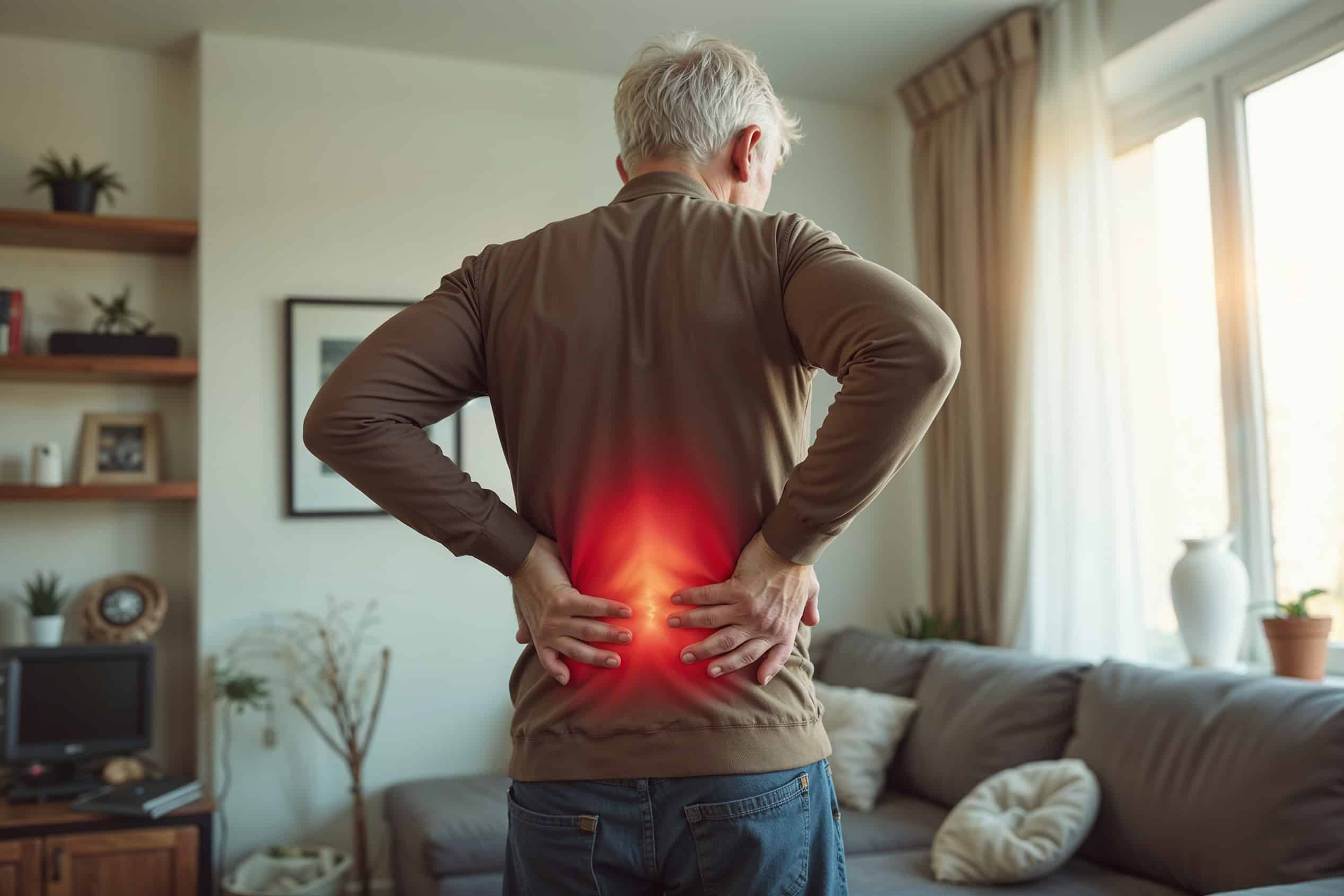
Chronic Pain and Lifestyle: Small Changes, Big Impact
Living with chronic pain can feel like an endless cycle of discomfort and frustration. Whether it’s back pain, joint stiffness, headaches, or neuropathy, persistent pain can affect every aspect of your life — from how you move and sleep to how you think and feel.
At Minnesota Regenerative Institute, we understand that pain management isn’t just about treatments; it’s about empowering patients with lifestyle tools that make a measurable difference. While medical therapies like regenerative medicine, chiropractic care, and physical rehabilitation play a vital role, small, consistent lifestyle changes can amplify your results and support long-term relief.
In this post, we’ll explore how small, everyday habits — from nutrition to mindset — can create a big impact on managing chronic pain.
1. Understanding Chronic Pain
Chronic pain lasts longer than three months and often persists even after the initial injury has healed. It’s not just a physical sensation — it involves your nervous system, immune response, and even emotional health.
Conditions like arthritis, fibromyalgia, degenerative disc disease, and neuropathy are common culprits, but chronic pain can also stem from repetitive strain, poor posture, or nerve damage. Because pain affects multiple systems in the body, lifestyle adjustments can help address root causes rather than just masking symptoms.
2. The Role of Movement and Gentle Exercise
When you’re in pain, movement is often the last thing you want to do — but it’s one of the most powerful tools for recovery. Gentle, low-impact exercise helps increase circulation, strengthen muscles, and reduce inflammation.
Here are a few beginner-friendly options:
- Walking: Just 20–30 minutes a day can increase endorphins (your body’s natural painkillers) and reduce stiffness.
- Stretching or yoga: Improves flexibility and balance while easing tension in tight muscles.
- Water therapy: Aquatic exercises support your joints and reduce impact while building strength.
If you’re unsure where to start, our care team at Minnesota Regenerative Institute can create a personalized rehabilitation plan that fits your current pain level and goals.
3. Anti-Inflammatory Nutrition: Food as Medicine
Your diet can either fuel inflammation or fight it. Research shows that chronic inflammation is linked to worsening pain, especially in conditions like arthritis, back pain, and neuropathy.
Try incorporating these anti-inflammatory foods into your daily meals:
- Omega-3 fatty acids (salmon, chia seeds, walnuts)
- Antioxidant-rich fruits and vegetables (berries, spinach, kale)
- Spices like turmeric and ginger, which have natural pain-relieving properties
- Whole grains instead of refined carbs
Limit foods that can trigger inflammation such as refined sugar, processed meats, and excessive alcohol. Even small dietary swaps can create noticeable changes in your pain levels and energy within weeks.
4. Restorative Sleep and Pain Relief
Poor sleep doesn’t just make you tired — it intensifies your pain sensitivity. In fact, studies show that people with chronic pain who don’t get quality rest often experience higher inflammation and slower healing.
To improve your sleep hygiene:
- Go to bed and wake up at the same time daily
- Keep your room dark, cool, and device-free
- Try gentle evening stretches or deep-breathing exercises
- Avoid caffeine or heavy meals close to bedtime
If pain is keeping you awake, discuss treatment options such as neuropathy therapy, chiropractic adjustments, or regenerative treatments that can reduce the underlying discomfort and improve your sleep quality.
5. Mind-Body Connection: Managing Stress and Emotions
Chronic pain isn’t just physical — it also impacts your emotional well-being. High stress levels can increase muscle tension, inflammation, and nerve sensitivity. Learning to calm your nervous system can help break the pain cycle.
Try these techniques to support your mental and physical health:
- Mindful breathing or meditation: Even five minutes a day can help reduce pain perception.
- Progressive muscle relaxation: Focus on tensing and relaxing each muscle group to release stored tension.
- Journaling or gratitude practice: Helps shift focus away from pain and toward positive progress.
Our team at Minnesota Regenerative Institute often integrates mind-body education into care plans to help patients rebuild resilience and restore balance.
6. Ergonomics and Posture: Your Everyday Pain Triggers
Many chronic pain cases — especially neck, shoulder, and back pain — are aggravated by posture and repetitive strain.
Quick ergonomic upgrades that can make a big difference:
- Keep your screen at eye level to prevent neck strain
- Use a lumbar support cushion for your lower back
- Take standing or stretching breaks every 30 minutes
- Adjust your workspace so your elbows stay close to your body
Chiropractic adjustments and posture training at Minnesota Regenerative Institute can further realign your spine and relieve stress on muscles and nerves caused by poor ergonomics.
7. Regenerative Medicine and Lifestyle: A Powerful Partnership
Regenerative therapies — such as platelet-rich plasma (PRP) and cell-based treatments — work by stimulating your body’s natural healing response. But their success often depends on your overall wellness habits.
When combined with proper nutrition, exercise, and stress management, regenerative treatments can deliver longer-lasting results. Patients who follow healthy lifestyle practices often experience faster recovery, reduced inflammation, and improved mobility.
8. Building Sustainable Habits for Long-Term Relief
You don’t have to overhaul your entire life overnight. Start small:
- Replace one processed snack with a whole-food option.
- Take a 10-minute walk after lunch.
- Stretch during TV commercials.
- Schedule regular chiropractic or therapy sessions.
Each small action adds up — and consistency is what creates real, sustainable improvement. Chronic pain management is a journey, but with the right support and daily effort, your body can adapt, heal, and thrive.
9. When to Seek Professional Support
If lifestyle changes alone aren’t enough, you may benefit from a customized treatment plan at Minnesota Regenerative Institute. Our team specializes in natural, non-surgical pain relief options, including:
- Chiropractic care and spinal alignment
- Regenerative medicine therapies
- Neuropathy and nerve treatments
- Physical rehabilitation and corrective exercise
- Massage therapy and soft tissue work
We focus on identifying the root cause of your pain rather than masking symptoms, helping you return to an active, fulfilling lifestyle.
10. The Takeaway: Small Steps, Big Difference
Managing chronic pain doesn’t have to mean relying on medication or living with limitations. With simple, intentional lifestyle changes — and the right clinical support — you can regain control over your body and your life.
At Minnesota Regenerative Institute, we’re here to help you every step of the way. From innovative regenerative therapies to personalized rehabilitation, our goal is to restore function, relieve pain, and help you feel like yourself again.
Learn More
How Lifestyle Choices Affect Chronic Pain
Chronic pain impacts millions of people, making daily activities difficult and lowering overall quality of life. While medical treatments and therapies play an important role in managing pain, your day-to-day choices can make a big difference too. At Minnesota Regenerative Institute in Baxter, MN, we help patients understand how lifestyle habits influence pain and provide guidance to support long-term relief.
The Link Between Lifestyle and Chronic Pain
Chronic pain is complex. It often stems from a mix of injury, inflammation, posture, stress, and underlying health conditions. While some of these factors are out of your control, lifestyle choices can either aggravate pain or help reduce it.
Nutrition and Inflammation
What you eat affects how your body responds to pain. Diets high in processed foods, sugar, and unhealthy fats can increase inflammation, which often worsens conditions like arthritis, back pain, and fibromyalgia. On the other hand, nutrient-rich foods—such as fruits, vegetables, lean proteins, and omega-3 fatty acids—help calm inflammation and support overall healing.
Physical Activity and Mobility
Lack of movement can stiffen joints and weaken muscles, making pain worse over time. Gentle, regular exercise improves circulation, strengthens the body, and releases endorphins—the body’s natural painkillers. Even simple activities like walking, stretching, or swimming can ease discomfort and prevent future flare-ups.
Stress and Sleep
Stress and chronic pain often go hand in hand. High stress levels can trigger muscle tension and increase sensitivity to pain signals. Poor sleep further intensifies pain, creating a cycle that’s hard to break. Relaxation techniques such as meditation, yoga, or deep breathing, combined with healthy sleep habits, can lower stress and give the body the rest it needs to repair.
Weight Management
Excess weight places extra pressure on joints, particularly in the knees, hips, and spine. This strain can make pain worse and limit mobility. Maintaining a healthy weight through balanced nutrition and regular exercise can reduce pressure on your body and ease pain levels.
Taking a Holistic Approach to Pain Relief
At Minnesota Regenerative Institute, we believe in addressing pain at its source, not just masking symptoms. By combining regenerative therapies with lifestyle guidance, we help patients achieve lasting results. Simple changes in diet, movement, and stress management can make a significant impact on how your body feels and functions every day.
Take Control of Your Pain
You don’t have to let chronic pain control your life. At Minnesota Regenerative Institute in Baxter, MN, we’ll create a personalized plan that includes advanced therapies and lifestyle strategies to help you feel your best. Call today to schedule your consultation and take the first step toward relief.

The Role of Chiropractic Care in Whole-Body Wellness
When most people think of chiropractic care, they picture adjustments for back or neck pain. While chiropractic treatment is highly effective for those conditions, its benefits go far beyond pain relief. Chiropractic care is a holistic approach that supports the nervous system, promotes natural healing, and contributes to overall wellness. At Minnesota Regenerative Institute in Baxter, MN, we help patients achieve more than just symptom relief—we focus on long-term health and whole-body well-being.
1. Chiropractic Care: More Than Back Pain Relief
Chiropractic care is centered around the spine, but because the spine protects the nervous system, adjustments have wide-reaching effects throughout the body. When spinal joints are misaligned or restricted (a condition known as subluxation), communication between the brain and body can be disrupted. This can affect mobility, posture, and even organ function.
By restoring alignment and improving mobility, chiropractic adjustments help the body function at its best—not just the back, but the entire system.
2. Supporting the Nervous System
The nervous system is the control center of the body, regulating everything from muscle movement to immune response. Spinal misalignments can create tension or pressure that interferes with nerve communication. Chiropractic adjustments release that tension, allowing signals to flow freely.
Benefits of a well-functioning nervous system include:
- Improved coordination and mobility
- Reduced pain and inflammation
- Enhanced immune function
- Better stress management
- Greater energy levels
3. Whole-Body Benefits
At Minnesota Regenerative Institute, we see how chiropractic care supports whole-body wellness every day. Some of the most surprising benefits include:
Pain Relief Without Medication
Chiropractic provides natural relief from headaches, migraines, joint pain, and muscle tension—without relying on drugs.
Improved Posture and Alignment
Regular adjustments correct imbalances caused by sitting, standing, or repetitive movements, reducing strain on muscles and joints.
Enhanced Mobility and Flexibility
Better spinal alignment leads to easier movement, less stiffness, and greater range of motion.
Better Sleep
By reducing pain and stress, chiropractic care often helps patients sleep more soundly.
Boosted Immune System
Research suggests chiropractic adjustments may improve immune system function by reducing nerve interference.
4. Chiropractic Care and Preventive Health
Chiropractic isn’t just for when you’re in pain. Regular care is an important part of preventive health. Just like exercise and good nutrition, adjustments help maintain balance and prevent issues from developing.
Preventive benefits include:
- Reducing the risk of injuries
- Keeping joints healthy as you age
- Supporting long-term spinal health
- Promoting faster recovery after physical stress
Many of our patients choose ongoing chiropractic care as part of a proactive wellness lifestyle.
5. Chiropractic and Whole-Body Approaches
At Minnesota Regenerative Institute, we believe in a whole-body approach to health. Chiropractic care works best when combined with other supportive strategies:
- Exercise therapy: Strengthens muscles and supports spinal alignment.
- Nutrition counseling: Provides the body with the fuel it needs to heal and thrive.
- Regenerative medicine: Helps restore tissue and joint health naturally.
- Lifestyle recommendations: Encourages healthier daily habits to reduce stress and prevent strain.
By addressing the body as a whole, we don’t just manage symptoms—we promote long-term wellness.
6. Conditions Chiropractic Care Can Help
Chiropractic is effective for a wide range of conditions, including:
- Back and neck pain
- Headaches and migraines
- Sciatica
- Joint pain (shoulders, knees, hips)
- Whiplash and accident-related injuries
- Poor posture
- Fatigue and stress-related tension
Whether you’re recovering from an injury, managing chronic pain, or simply want to feel your best, chiropractic care offers a safe, natural solution.
7. Why Choose Minnesota Regenerative Institute?
At Minnesota Regenerative Institute in Baxter, MN, we combine chiropractic expertise with regenerative therapies to create personalized care plans for every patient. Our team focuses on:
- Patient-centered care: Every treatment plan is tailored to your unique needs.
- Advanced techniques: We use modern chiropractic methods that are safe, gentle, and effective.
- Whole-body focus: We don’t just treat symptoms—we address the root cause.
- Compassionate team: We’re committed to guiding patients toward healthier, more active lives.
Make an Appointment Today
Chiropractic care is much more than a solution for back pain—it’s a natural, holistic approach to health that supports the entire body. From improving posture and mobility to boosting the immune system and preventing future problems, chiropractic care plays an essential role in whole-body wellness.
At Minnesota Regenerative Institute in Baxter, MN, we’re passionate about helping patients feel their best and live life fully. Whether you’re seeking pain relief, preventive care, or a wellness-focused lifestyle, chiropractic care can help you achieve your goals.
Schedule your consultation today and take the first step toward whole-body wellness with chiropractic care.
Learn More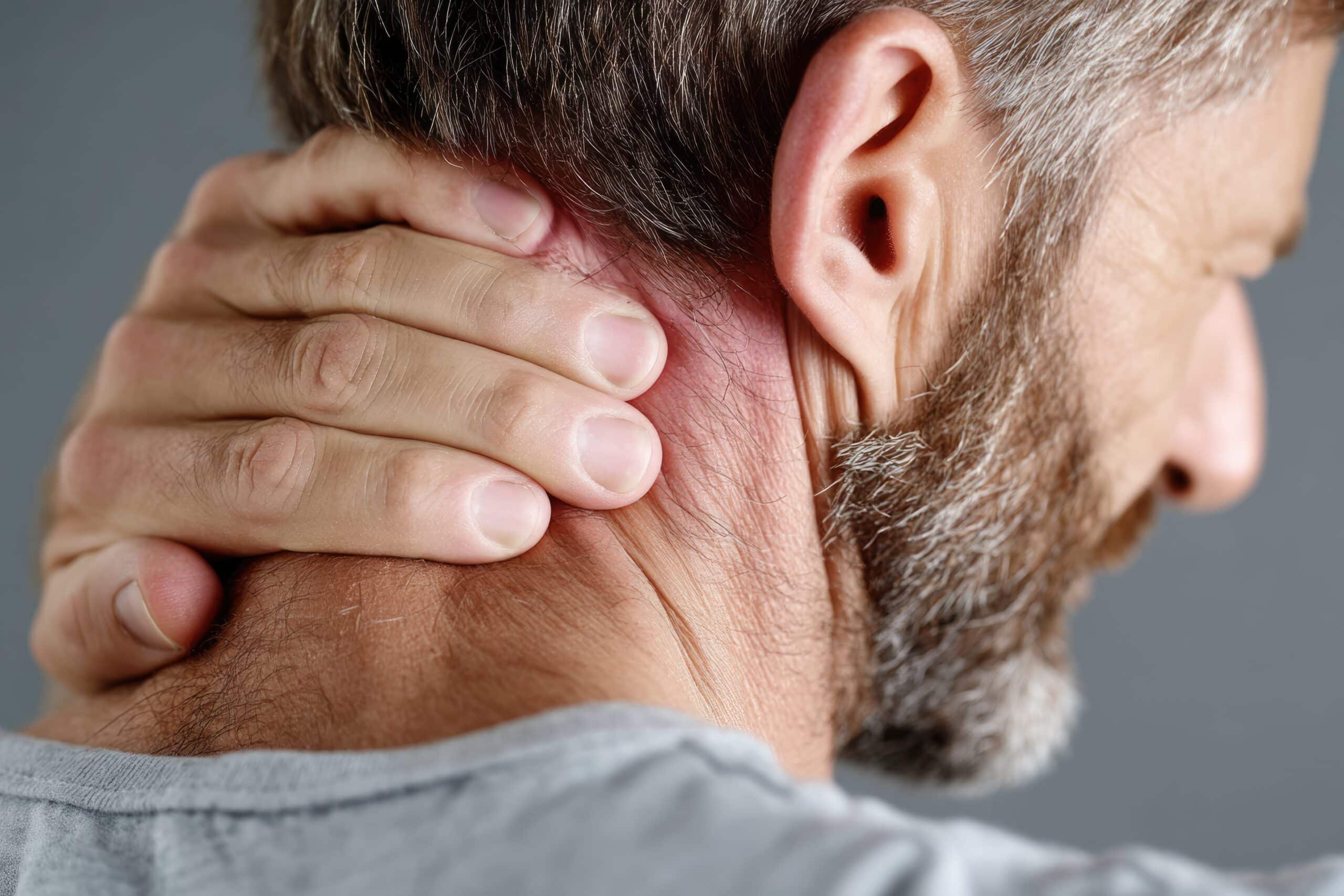
Why Whiplash After a Car Accident Shouldn’t Be Ignored
Car accidents happen in an instant, but the injuries they cause can linger for weeks, months, or even years. One of the most common—and most underestimated—injuries is whiplash. Many accident victims brush it off as “just a sore neck,” but untreated whiplash can lead to long-term pain and serious health complications.
At Minnesota Regenerative Institute in Baxter, MN, we specialize in helping patients recover from car accident injuries using non-surgical, regenerative, and chiropractic approaches.
What Is Whiplash?
Whiplash occurs when the neck is forcefully and rapidly moved back and forth, similar to the cracking of a whip. This sudden motion strains the muscles, ligaments, and soft tissues of the neck and upper back.
It most often happens after rear-end car accidents, but it can also happen during sports injuries, falls, or other sudden impacts.
Common Symptoms of Whiplash
Whiplash symptoms may appear right after an accident—or they may take hours or even days to fully develop. Common signs include:
- Neck pain and stiffness
- Headaches (often starting at the base of the skull)
- Dizziness or balance issues
- Shoulder, arm, or upper back pain
- Tingling or numbness in the arms or hands
- Limited range of motion in the neck
- Fatigue or difficulty concentrating
Because symptoms can be delayed, many accident victims mistakenly assume they are “fine” immediately after the crash.
Why You Shouldn’t Ignore Whiplash
1. Pain Can Become Chronic
Without proper treatment, whiplash pain may linger for months or years, turning into chronic neck pain, stiffness, and headaches.
2. Hidden Damage
Whiplash can injure muscles, ligaments, discs, and even joints in the cervical spine. This damage isn’t always visible without imaging or a professional exam.
3. Nerve Involvement
Inflammation and swelling from whiplash can put pressure on nerves, leading to tingling, numbness, or weakness in the arms and hands.
4. Impact on Daily Life
Left untreated, whiplash can affect your ability to work, drive, exercise, and sleep comfortably—significantly lowering your quality of life.
5. Insurance & Legal Issues
If you delay treatment, it may be harder to prove your injuries were caused by the accident, which can complicate insurance claims or legal cases.
How Whiplash Is Treated
At Minnesota Regenerative Institute, we take a comprehensive approach to treating whiplash that goes beyond masking symptoms. Our care may include:
- Chiropractic Adjustments – To restore proper alignment and reduce tension in the spine.
- Physical Therapy & Rehab – Exercises and stretches to rebuild strength and mobility.
- Regenerative Treatments – Advanced therapies that promote healing of damaged tissues.
- Pain Management – Non-surgical options to reduce inflammation and discomfort.
By combining these approaches, we help patients heal faster, regain mobility, and reduce the risk of long-term complications.
Steps to Take If You Suspect Whiplash
- Seek Medical Attention Immediately – Even if symptoms seem mild.
- Document Everything – Keep records of your symptoms, treatments, and accident details.
- Follow Your Care Plan – Consistent treatment leads to better long-term outcomes.
- Don’t Wait for Symptoms to Worsen – Early intervention makes recovery smoother.
Why Choose Minnesota Regenerative Institute?
Our Baxter clinic is dedicated to helping accident victims recover naturally and effectively. Patients choose us because we offer:
- Non-surgical, drug-free treatment options.
- A compassionate, patient-first approach.
- Advanced regenerative therapies to support healing.
- Experienced providers who specialize in accident-related injuries.
We’re committed to getting to the root cause of pain—not just covering it up.
Schedule your appointment today!
Whiplash may seem minor at first, but ignoring it can lead to lasting pain, nerve issues, and reduced mobility. The sooner you get evaluated and treated, the better your chances for a full recovery.
At Minnesota Regenerative Institute in Baxter, MN, we provide comprehensive, non-invasive care for whiplash and other accident injuries. If you’ve recently been in a car accident—even a “minor” one—don’t wait until symptoms get worse.
Call us today to schedule your evaluation and take the first step toward healing.
Learn More
Back to School, Back to Routine: Chiropractic for Students & Parents
As the school year begins in Baxter and surrounding Minnesota communities, families are shifting gears—from summer flexibility to early mornings, packed lunches, homework, sports practices, and endless carpooling. With that return to routine comes an increase in physical and mental stress—not just for students, but for parents too.
Whether you’re carrying backpacks, sitting at desks, managing screen time, or juggling your family’s schedule, back-to-school season is the perfect time to focus on spinal health and routine wellness care. At Minnesota Regenerative Institute, we’re here to help your body transition smoothly with natural, non-invasive chiropractic support.
Why the School Year Impacts Your Spine
Back-to-school stress isn’t just mental—it’s physical too. Shifts in daily habits, posture changes, and increased activity levels can lead to tension, misalignment, and even injury if not properly addressed. Here’s how the school year affects both students and their parents:
For Students:
- Heavy backpacks can cause shoulder strain, poor posture, and misalignments in the spine and hips.
- Long hours of sitting in class or at a computer can lead to neck stiffness, back discomfort, and tension headaches.
- Sports and physical activity add value to health, but they also bring the risk of falls, joint stress, or repetitive movement injuries.
For Parents:
- Lifting children, bags, and gear, along with commuting and desk work, places strain on the lower back and shoulders.
- Stress and fatigue often translate into muscle tightness, poor posture, and increased pain sensitivity.
- Less sleep and more time on the go can impact the body’s ability to recover and stay in alignment.
The Role of Chiropractic Care in Back-to-School Health
Routine chiropractic care isn’t just for recovery—it’s a proactive way to support the nervous system, reduce physical stress, and improve function for the entire family. At Minnesota Regenerative Institute, we take a holistic approach to spinal health that benefits students, athletes, and parents alike.
Here’s how chiropractic adjustments and wellness care help during the school year:
1. Improved Posture and Alignment
Gentle chiropractic adjustments correct misalignments caused by poor posture, screen time, and backpack use. Maintaining spinal alignment helps prevent long-term wear and supports better energy, focus, and comfort throughout the day.
2. Better Focus and Mental Clarity
When your nervous system is functioning optimally, it can help regulate sleep, concentration, and mood—especially important during long school days or for parents juggling multiple responsibilities.
3. Faster Recovery and Injury Prevention
Whether it’s a student athlete recovering from a sports injury or a parent dealing with a pulled muscle from lifting a car seat, chiropractic care can reduce inflammation, improve mobility, and speed up recovery—without relying on medication.
4. Stress Reduction
Chiropractic adjustments help regulate the nervous system, which plays a central role in how the body responds to stress. Many of our patients report feeling more relaxed and rested after consistent care.
Back-to-School Tips for Better Spinal Health
Whether you’re sending a kindergartener off to school or managing the calendar chaos of high school sports, small changes can make a big difference in protecting your family’s spine. Here are our top tips:
- Backpack Fit Matters: Choose a backpack with padded straps and ensure it’s worn on both shoulders. The bag should sit evenly and weigh no more than 10–15% of your child’s body weight.
- Desk and Screen Ergonomics: Keep screens at eye level and encourage kids (and adults) to sit upright with feet flat on the floor.
- Stretch and Move Regularly: Sitting for long periods can lead to stiffness. Encourage stretch breaks between classes or during homework time.
- Prioritize Sleep: A well-rested body is more resilient to stress and physical strain. Maintain consistent bedtimes—even when school nights get busy.
- Stay Hydrated and Eat Well: Water, whole foods, and proper nutrition support spinal disc health and reduce inflammation.
Chiropractic for the Whole Family
At Minnesota Regenerative Institute, we offer family-centered care in a welcoming, modern environment. Our team works with patients of all ages—from young children with developing spines to busy adults managing chronic pain or recovering from injuries.
We provide:
- Pediatric chiropractic care
- Wellness adjustments for adults and teens
- Sports injury recovery and prevention
- Postural assessments and ergonomic guidance
- Personalized treatment plans with functional goals
Whether you’re experiencing pain or simply want to stay aligned and energized throughout the school year, our clinic is here to support your goals with evidence-based, hands-on care.
Start the School Year Strong—Book Your Visit Today
A healthy routine starts with a healthy spine. Don’t wait for discomfort or injury to slow you or your family down. Begin the school year with a strong foundation by scheduling a wellness checkup at Minnesota Regenerative Institute in Baxter, MN.
We’re here to help your body function better, feel better, and keep up with everything the school year throws your way.
Learn More