
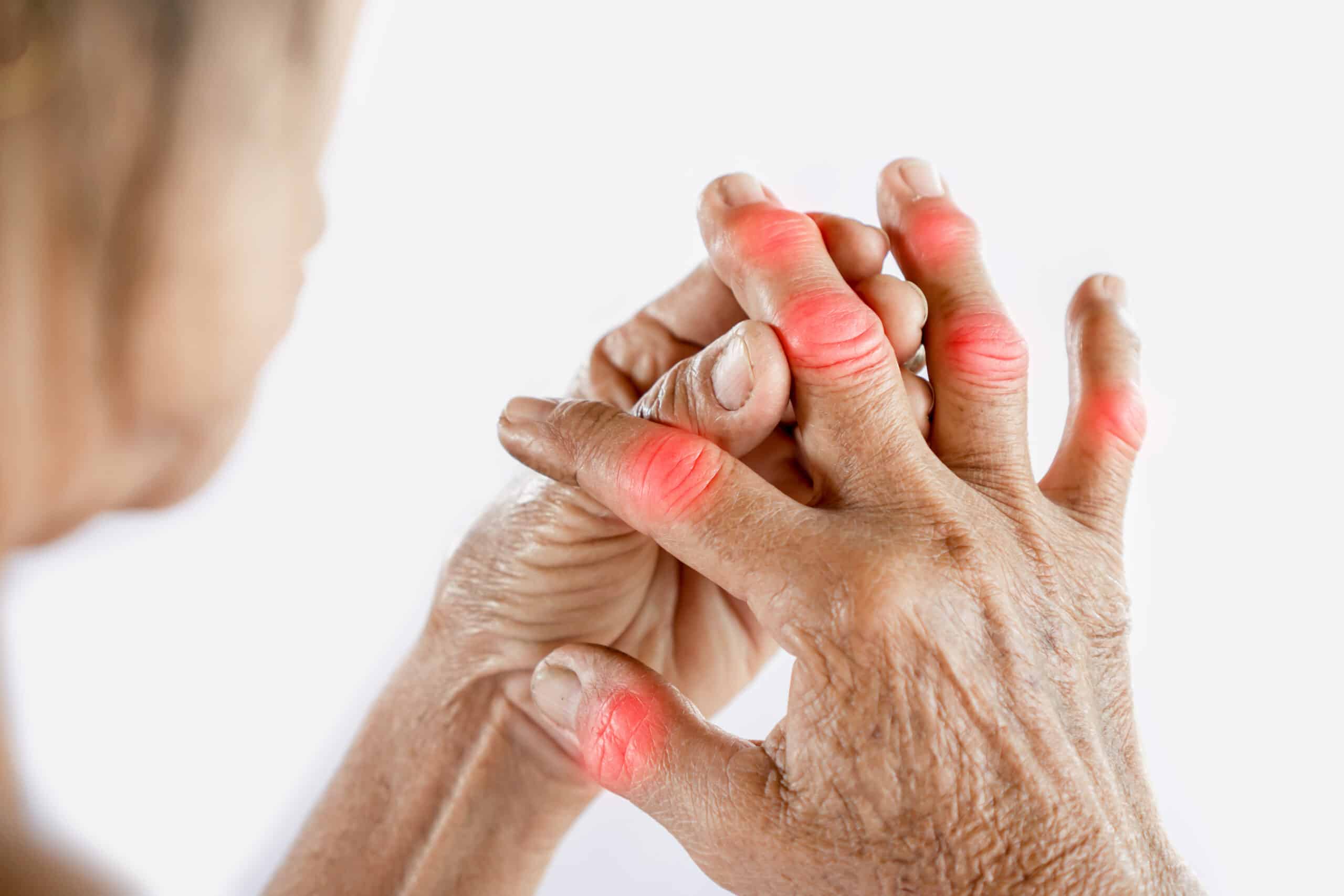
The start of a new year often brings a renewed focus on health. January is when many people take stock of how their bodies feel, what they want to improve, and what they’ve been putting off. For individuals dealing with lingering joint pain, stiffness, or limited mobility, this reflection can be especially revealing.
If joint discomfort followed you through the holidays or worsened during winter, January is not just a symbolic fresh start—it is a practical and powerful time to finally address the underlying issues affecting your joints.
At Minnesota Regenerative Institute, we see January as an opportunity to reset, rebuild, and support joint health at its root rather than simply masking symptoms.
Winter Often Makes Joint Pain More Noticeable
Cold weather tends to highlight joint issues that may feel manageable during warmer months. Many people notice increased stiffness, aching, or reduced range of motion in winter. This happens for several reasons:
- Cold temperatures can cause muscles, tendons, and ligaments to tighten
- Reduced activity levels during winter can lead to joint stiffness
- Changes in barometric pressure may affect joint sensitivity
- Holiday travel, long periods of sitting, and disrupted routines add stress to joints
By January, these factors often catch up with the body. Pain that was once occasional may feel persistent, and stiffness may last longer in the morning or after sitting.
Rather than waiting for spring, addressing joint concerns early in the year helps prevent small problems from becoming larger limitations.
Lingering Joint Issues Rarely Resolve on Their Own
One of the most common reasons people delay addressing joint pain is hope that it will “just go away.” Unfortunately, lingering joint issues are often a sign of underlying inflammation, degeneration, or tissue stress that does not improve without proper support.
Common signs that joint issues need attention include:
- Pain that lasts longer than a few weeks
- Stiffness that improves slowly or returns quickly
- Swelling or tenderness around a joint
- Reduced mobility or difficulty with everyday movements
- Discomfort that interferes with sleep or exercise
January is an ideal time to address these symptoms before compensatory movement patterns develop, which can place added strain on surrounding joints and muscles.
A New Year Is the Best Time to Break the Cycle of “Managing” Pain
Many people spend months—or years—managing joint pain rather than resolving it. Over-the-counter medications, temporary rest, or pushing through discomfort may provide short-term relief, but they often fail to address why the pain exists in the first place.
January creates a mental and physical reset point. This mindset shift makes it easier to move away from reactive pain management and toward proactive, regenerative care that supports healing and long-term function.
Starting care early in the year also allows time for the body to respond and rebuild before spring and summer activities increase.
Regenerative Care Supports the Body’s Natural Healing Processes
At Minnesota Regenerative Institute, our approach to joint health focuses on supporting the body’s innate ability to repair and restore tissue. Rather than masking pain, regenerative care aims to improve joint function, reduce inflammation, and promote tissue resilience.
Depending on individual needs, care plans may focus on:
- Supporting joint tissue health and repair
- Reducing chronic inflammation
- Improving circulation and nutrient delivery to joints
- Restoring mobility and strength
- Enhancing overall movement quality
January is an ideal time to begin this process because consistency and early intervention can lead to more meaningful, lasting improvements over the year ahead.
Addressing Joint Issues Early Helps You Stay Active All Year
Many people delay care until pain interferes with major life moments—travel, hobbies, family activities, or exercise routines. Starting care in January allows you to work toward better joint function before these moments arrive.
When joint health improves, people often notice benefits such as:
- Increased confidence in movement
- Improved flexibility and range of motion
- Reduced stiffness during cold months
- Better tolerance for exercise and daily activities
- Improved quality of life and independence
Addressing joint issues early helps set the foundation for an active, fulfilling year instead of one shaped by discomfort and limitation.
January Supports Consistency and Routine
Healing requires consistency, and January naturally supports routine-building. Schedules tend to stabilize after the holidays, making it easier to prioritize appointments, movement, and supportive lifestyle habits.
This consistency allows care plans to unfold gradually and effectively, giving the body time to respond without interruptions. Establishing healthy joint-supportive routines early in the year increases the likelihood of long-term success.
Joint Health Is Connected to Whole-Body Wellness
Joint pain does not exist in isolation. It often intersects with inflammation, stress, posture, muscle imbalances, and overall metabolic health. Addressing joint concerns in January often leads to broader improvements in well-being.
Many individuals find that supporting joint health also helps them:
- Move more comfortably and confidently
- Improve sleep quality
- Re-engage with exercise or rehabilitation
- Reduce reliance on pain-relief medications
- Feel more in control of their health
This whole-body approach aligns with the mission of Minnesota Regenerative Institute: supporting health from the inside out.
Start the Year by Investing in Your Mobility
Mobility is one of the most valuable assets for long-term health. January is a powerful reminder that the choices made now influence how the body feels throughout the year.
If joint pain has been lingering, worsening, or limiting your quality of life, now is the time to take action. Addressing joint issues early allows for thoughtful, supportive care that prioritizes healing, function, and resilience.
At Minnesota Regenerative Institute, we believe the new year should begin with hope, movement, and momentum—not pain. January is not just a fresh start on the calendar; it is an opportunity to rebuild your foundation for the year ahead.
Related Posts

The Role of Regenerative Medicine in Treating Chronic Pain
Regenerative medicine includes a variety of techniques that aim to restore the...
Spinal Decompression in Baxter
Living with chronic back pain, herniated discs, or sciatica can affect...

Regenerative Therapy 101: Healing Without Surgery
In a world where surgery often feels like the only option for lasting pain...

Why January Is the Right Time to Address Lingering Joint Issues
The start of a new year often brings a renewed focus on health. January is when...