
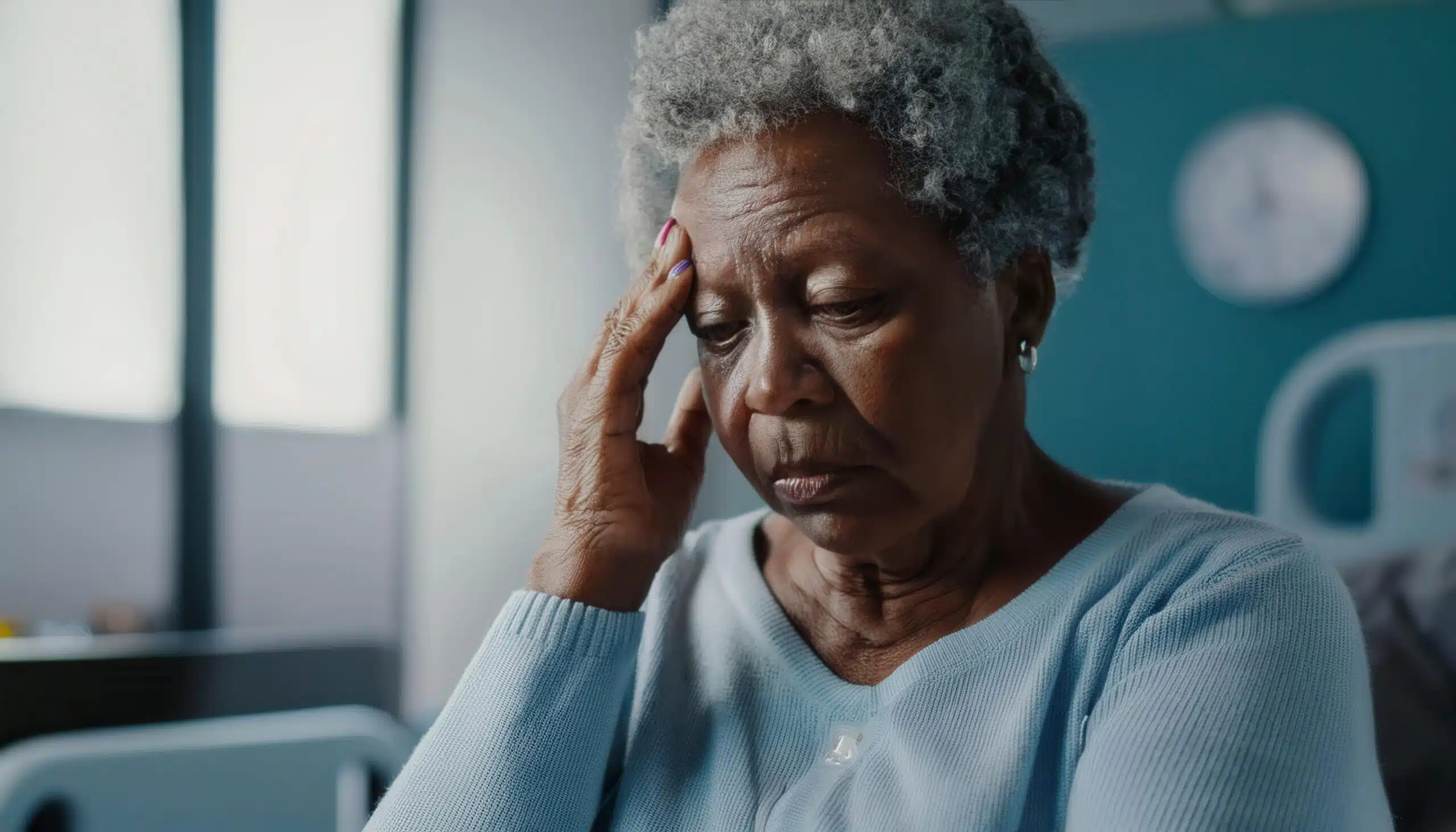
Could Hormone Imbalance Be Affecting How You Feel?
If you have been feeling more tired than usual, struggling with mood changes, experiencing unexplained weight gain, or simply feeling “off,” hormones may be playing a bigger role than you realize. Hormones act as the body’s chemical messengers, helping regulate everything from energy and metabolism to sleep, mood, and mental clarity. When they fall out of balance, it can affect how you feel both physically and emotionally.
At Minnesota Regenerative Institute, we help patients better understand the connection between hormone health and overall wellness. Hormonal shifts can happen gradually, making symptoms easy to overlook or attribute to stress, aging, or a busy lifestyle.
What Is a Hormone Imbalance?
Hormones are produced by glands in the endocrine system and help regulate many essential body functions.
Some of the most important hormones include:
- estrogen
- progesterone
- testosterone
- cortisol
- thyroid hormones
- insulin
When hormone levels are too high, too low, or fluctuating unevenly, it can lead to a wide range of symptoms that affect daily life.
Hormonal changes can occur due to age, stress, lifestyle factors, underlying health conditions, or natural life transitions such as perimenopause, menopause, or andropause.
Common Signs of Hormone Imbalance
Because hormones influence so many systems in the body, symptoms can show up in different ways.
Some of the most common signs include:
Persistent Fatigue
If you are getting enough sleep but still wake up feeling exhausted, hormone imbalance may be contributing.
Low thyroid function, changes in estrogen or testosterone, and elevated cortisol from chronic stress can all impact energy levels.
Mood Changes
Hormones have a significant effect on mood and emotional well-being.
You may notice:
- irritability
- anxiety
- low motivation
- mood swings
- feelings of depression
Hormonal changes related to menopause and andropause are often linked to these symptoms.
Weight Gain or Difficulty Losing Weight
Unexplained weight gain, especially around the midsection, can sometimes be related to hormone shifts.
Changes in insulin, cortisol, thyroid hormones, estrogen, or testosterone may all affect metabolism and body composition.
Brain Fog and Difficulty Concentrating
Trouble focusing, forgetfulness, or feeling mentally “foggy” can also be linked to hormonal changes.
Patients often describe this as not feeling as sharp as usual.
Changes in Sleep
Difficulty falling asleep, staying asleep, or waking up frequently during the night may also point to hormone imbalance.
Night sweats and hot flashes are especially common during perimenopause and menopause.
Changes in Libido
A decrease in sexual desire or function is another common sign.
Hormones such as estrogen and testosterone play a major role in libido and sexual wellness.
How Stress Affects Hormones
Chronic stress can significantly affect hormone balance.
When the body remains in a constant state of stress, cortisol levels may stay elevated for long periods. Over time, this can disrupt other hormone systems and contribute to fatigue, sleep issues, weight changes, and mood shifts.
Sometimes what feels like “burnout” may actually be a sign that hormones need to be evaluated.
Hormonal Changes With Age
Hormone levels naturally change over time.
For women, estrogen and progesterone may begin fluctuating in the 30s and 40s, often becoming more noticeable during perimenopause and menopause.
For men, testosterone levels may gradually decline with age, leading to symptoms such as reduced energy, lower muscle mass, decreased motivation, and changes in mood.
Why It Is Important to Address Symptoms Early
Many people assume these symptoms are simply a normal part of aging.
While hormonal changes can be common, that does not mean you have to ignore how you feel.
Early evaluation can help identify the root cause and support a more personalized wellness plan.
Treatment and Support Options
At Minnesota Regenerative Institute, hormone health is approached with personalized care and treatment options designed around each patient’s needs.
Depending on symptoms and lab findings, support may include:
- hormone optimization
- lifestyle and nutrition guidance
- stress management strategies
- sleep support
- personalized wellness plans
The clinic specifically notes symptoms such as fatigue, low motivation, weight gain, low libido, and cognitive changes as possible signs of hormonal decline.
Listen to What Your Body Is Telling You
If you have been feeling unlike yourself, it may be worth exploring whether hormones are playing a role.
Fatigue, mood shifts, poor sleep, and unexplained changes in your body are not things you should simply push through.
Understanding your hormone health can be an important step toward feeling more like yourself again.
Learn More