
Refresh Your Health Goals This April With Regenerative Wellness Care
Spring is the perfect season for a fresh start. As April brings longer days, renewed energy, and a natural motivation to reset routines, it is the ideal time to refocus on your health goals. Whether you are looking to improve mobility, reduce chronic discomfort, boost your energy, or support long-term wellness, this season offers the perfect opportunity to take the next step.
At Minnesota Regenerative Institute, patients have access to a range of wellness services including chiropractic care, progressive rehab, spinal decompression, IV therapy, vein treatments, and neuropathy care designed to help improve overall function and quality of life.
This April, let spring inspire you to refresh your health goals and prioritize feeling your best.
Why Spring Is the Perfect Time to Reset Your Wellness Routine
There is something about spring that naturally encourages renewal.
After winter’s colder months—often filled with less movement, more time indoors, and disrupted routines—many people begin to notice increased stiffness, fatigue, and lingering aches.
Spring is the perfect time to reset by focusing on:
- Improved mobility
- Pain relief
- Better posture
- Increased energy
- Preventive wellness care
- Recovery from chronic discomfort
A proactive approach now can help you feel stronger and more active heading into summer.
Recommit to Pain Relief and Better Movement
One of the most common health goals in spring is moving more comfortably.
If winter inactivity has left you feeling stiff or sore, April is a great time to prioritize therapies that support better movement and function.
Common concerns many patients address this season include:
- Back pain
- Neck pain
- Joint discomfort
- Knee pain
- Headaches and migraines
- Muscle tightness
- Limited range of motion
At Minnesota Regenerative Institute, care often includes chiropractic services, rehab support, and spinal decompression to help patients return to more active lifestyles.
Support Recovery With Progressive Rehab
Spring is a great time to rebuild strength and function.
Whether you are recovering from an injury, dealing with chronic pain, or simply wanting to improve how your body moves, progressive rehabilitation can help support long-term wellness goals.
Rehab-focused care may help improve:
- Core strength
- Stability
- Flexibility
- Balance
- Joint support
- Posture
This is especially helpful for patients who want to get back to walking, gardening, traveling, or exercising more comfortably this season.
Improve Energy and Whole-Body Wellness
Health goals are not only about pain relief.
Many people use spring as a time to focus on feeling more energized and balanced overall.
Hydration, nutrition, and wellness support can play a major role in how you feel day to day.
Services such as IV therapy may help support:
- Hydration
- Energy
- Recovery
- Overall wellness goals
According to the clinic’s services, IV therapy is tailored to individual health needs and may help patients feel refreshed and re-energized this season.
Don’t Ignore Nerve-Related Symptoms
If numbness, tingling, or burning sensations have been affecting your quality of life, spring is a great time to seek support.
These symptoms can sometimes be related to neuropathy or nerve irritation.
Common symptoms include:
- Tingling in hands or feet
- Burning sensations
- Numbness
- Weakness
- Difficulty walking comfortably
The clinic offers advanced neuropathy-focused therapies aimed at improving nerve function and restoring daily comfort.
Spring Wellness Habits to Pair With Care
This April, small daily habits can help support your wellness goals.
Focus on:
- Walking regularly
- Gentle stretching
- Drinking more water
- Prioritizing sleep
- Improving posture
- Staying consistent with appointments
Consistency is key when it comes to long-term health improvements.
Let This April Be Your Fresh Start
Spring is a season of growth, renewal, and feeling your best.
At Minnesota Regenerative Institute, the goal is to help patients improve function, reduce discomfort, and build a stronger foundation for long-term wellness.
This April, refresh your health goals and step into the season feeling renewed.
Learn More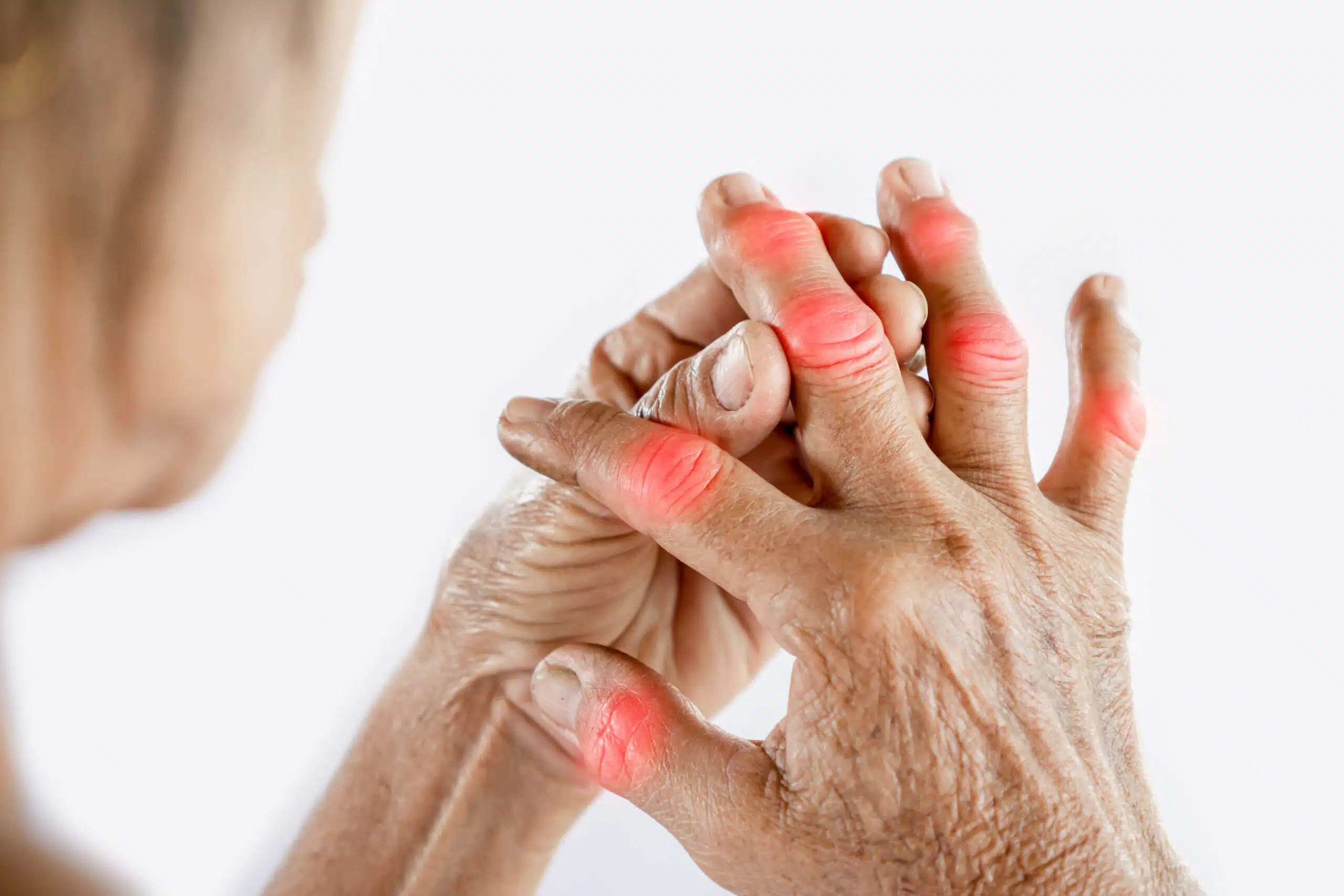
Why January Is the Right Time to Address Lingering Joint Issues
The start of a new year often brings a renewed focus on health. January is when many people take stock of how their bodies feel, what they want to improve, and what they’ve been putting off. For individuals dealing with lingering joint pain, stiffness, or limited mobility, this reflection can be especially revealing.
If joint discomfort followed you through the holidays or worsened during winter, January is not just a symbolic fresh start—it is a practical and powerful time to finally address the underlying issues affecting your joints.
At Minnesota Regenerative Institute, we see January as an opportunity to reset, rebuild, and support joint health at its root rather than simply masking symptoms.
Winter Often Makes Joint Pain More Noticeable
Cold weather tends to highlight joint issues that may feel manageable during warmer months. Many people notice increased stiffness, aching, or reduced range of motion in winter. This happens for several reasons:
- Cold temperatures can cause muscles, tendons, and ligaments to tighten
- Reduced activity levels during winter can lead to joint stiffness
- Changes in barometric pressure may affect joint sensitivity
- Holiday travel, long periods of sitting, and disrupted routines add stress to joints
By January, these factors often catch up with the body. Pain that was once occasional may feel persistent, and stiffness may last longer in the morning or after sitting.
Rather than waiting for spring, addressing joint concerns early in the year helps prevent small problems from becoming larger limitations.
Lingering Joint Issues Rarely Resolve on Their Own
One of the most common reasons people delay addressing joint pain is hope that it will “just go away.” Unfortunately, lingering joint issues are often a sign of underlying inflammation, degeneration, or tissue stress that does not improve without proper support.
Common signs that joint issues need attention include:
- Pain that lasts longer than a few weeks
- Stiffness that improves slowly or returns quickly
- Swelling or tenderness around a joint
- Reduced mobility or difficulty with everyday movements
- Discomfort that interferes with sleep or exercise
January is an ideal time to address these symptoms before compensatory movement patterns develop, which can place added strain on surrounding joints and muscles.
A New Year Is the Best Time to Break the Cycle of “Managing” Pain
Many people spend months—or years—managing joint pain rather than resolving it. Over-the-counter medications, temporary rest, or pushing through discomfort may provide short-term relief, but they often fail to address why the pain exists in the first place.
January creates a mental and physical reset point. This mindset shift makes it easier to move away from reactive pain management and toward proactive, regenerative care that supports healing and long-term function.
Starting care early in the year also allows time for the body to respond and rebuild before spring and summer activities increase.
Regenerative Care Supports the Body’s Natural Healing Processes
At Minnesota Regenerative Institute, our approach to joint health focuses on supporting the body’s innate ability to repair and restore tissue. Rather than masking pain, regenerative care aims to improve joint function, reduce inflammation, and promote tissue resilience.
Depending on individual needs, care plans may focus on:
- Supporting joint tissue health and repair
- Reducing chronic inflammation
- Improving circulation and nutrient delivery to joints
- Restoring mobility and strength
- Enhancing overall movement quality
January is an ideal time to begin this process because consistency and early intervention can lead to more meaningful, lasting improvements over the year ahead.
Addressing Joint Issues Early Helps You Stay Active All Year
Many people delay care until pain interferes with major life moments—travel, hobbies, family activities, or exercise routines. Starting care in January allows you to work toward better joint function before these moments arrive.
When joint health improves, people often notice benefits such as:
- Increased confidence in movement
- Improved flexibility and range of motion
- Reduced stiffness during cold months
- Better tolerance for exercise and daily activities
- Improved quality of life and independence
Addressing joint issues early helps set the foundation for an active, fulfilling year instead of one shaped by discomfort and limitation.
January Supports Consistency and Routine
Healing requires consistency, and January naturally supports routine-building. Schedules tend to stabilize after the holidays, making it easier to prioritize appointments, movement, and supportive lifestyle habits.
This consistency allows care plans to unfold gradually and effectively, giving the body time to respond without interruptions. Establishing healthy joint-supportive routines early in the year increases the likelihood of long-term success.
Joint Health Is Connected to Whole-Body Wellness
Joint pain does not exist in isolation. It often intersects with inflammation, stress, posture, muscle imbalances, and overall metabolic health. Addressing joint concerns in January often leads to broader improvements in well-being.
Many individuals find that supporting joint health also helps them:
- Move more comfortably and confidently
- Improve sleep quality
- Re-engage with exercise or rehabilitation
- Reduce reliance on pain-relief medications
- Feel more in control of their health
This whole-body approach aligns with the mission of Minnesota Regenerative Institute: supporting health from the inside out.
Start the Year by Investing in Your Mobility
Mobility is one of the most valuable assets for long-term health. January is a powerful reminder that the choices made now influence how the body feels throughout the year.
If joint pain has been lingering, worsening, or limiting your quality of life, now is the time to take action. Addressing joint issues early allows for thoughtful, supportive care that prioritizes healing, function, and resilience.
At Minnesota Regenerative Institute, we believe the new year should begin with hope, movement, and momentum—not pain. January is not just a fresh start on the calendar; it is an opportunity to rebuild your foundation for the year ahead.
Learn More
Holiday Stress & Pain: How Emotional Tension Triggers Physical Symptoms
The holiday season is often portrayed as joyful and relaxing—but for many people, it’s also one of the most stressful times of year. Packed schedules, financial pressure, family dynamics, travel, and disrupted routines can all take a toll. What many don’t realize is that emotional stress doesn’t just affect your mood—it can directly impact your physical health and intensify pain.
At Minnesota Regenerative Institute, we frequently see patients experience increased pain during the holidays, even without a new injury. Understanding the connection between emotional stress and physical symptoms is an important step toward finding lasting relief.
The Mind-Body Connection Explained
Your body and nervous system are closely linked. When you’re under emotional stress, your body activates its “fight or flight” response. This survival mechanism increases muscle tension, raises inflammation levels, and heightens pain sensitivity—all of which can worsen existing conditions or trigger new symptoms.
When stress becomes ongoing, the body may stay in this heightened state for extended periods, preventing muscles and nerves from fully relaxing.
How Stress Can Trigger Physical Pain
Emotional tension can contribute to a variety of physical symptoms, including:
- Neck and shoulder tightness
- Lower back pain
- Headaches or migraines
- Jaw pain and teeth clenching
- Joint stiffness and inflammation
- Nerve pain, tingling, or burning sensations
Stress can also amplify pain signals, making discomfort feel more intense or persistent than usual.
Why the Holidays Make Symptoms Worse
Several holiday-specific factors increase the likelihood of stress-related pain:
Increased Mental Load
Planning events, shopping, travel logistics, and family obligations can overwhelm the nervous system and keep stress levels elevated.
Disrupted Routines
Changes in sleep, diet, exercise, and daily structure reduce the body’s ability to recover and manage inflammation.
Cold Weather & Reduced Activity
Winter temperatures and less movement can already increase stiffness and pain, and stress compounds these effects.
Old Injuries & Chronic Conditions
Stress can cause flare-ups of prior injuries, arthritis, nerve pain, or degenerative joint conditions—even if symptoms were previously well-managed.
Stress, Inflammation, and Pain Sensitivity
Chronic stress is linked to increased inflammation throughout the body. Inflammation plays a key role in joint pain, nerve irritation, and tissue degeneration. When inflammation rises, pain thresholds drop, meaning discomfort may appear faster and linger longer.
This is why emotional stress can feel “physical,” even when there’s no obvious injury.
Supporting Your Body During Stressful Seasons
While stress is sometimes unavoidable, supporting your body can help reduce its physical impact:
- Prioritize quality sleep whenever possible
- Stay gently active to improve circulation
- Practice stress-reduction techniques like deep breathing or meditation
- Stretch regularly to release muscle tension
- Stay hydrated and maintain balanced nutrition
Listening to your body’s signals is essential.
When Pain Needs Professional Attention
If pain persists, worsens, or interferes with daily life, it’s important to seek professional care. Ongoing pain may indicate inflammation, nerve involvement, or tissue damage that requires targeted treatment—especially if symptoms flare during periods of stress.
A Whole-Body Approach to Pain Relief for Holiday Stress
Regenerative medicine focuses on addressing the underlying causes of pain rather than simply masking symptoms. By targeting inflammation, supporting tissue repair, and improving joint and nerve function, regenerative approaches may help the body heal more effectively—even during high-stress seasons.
At Minnesota Regenerative Institute, we understand that pain is rarely just physical or emotional—it’s often both. Our team takes a comprehensive approach to help patients find relief and improve quality of life year-round.
If holiday stress is triggering physical pain or worsening existing symptoms, contact Minnesota Regenerative Institute to schedule a consultation and explore personalized treatment options designed to help you feel better from the inside out.
Learn More
Neck and Back Pain: Finding Relief Without Surgery
Neck and back pain are among the most common reasons people seek medical care—and for good reason. When your spine hurts, it can impact everything from your sleep and mood to your ability to work, exercise, or simply enjoy life. While surgery can be an option for severe cases, many people find effective, lasting relief through non-surgical treatments that address pain at its source.
At Minnesota Regenerative Institute in Baxter, MN, we specialize in helping patients heal naturally, using advanced therapies that promote recovery without the risks, downtime, or high costs associated with surgery. Here’s how we help patients overcome neck and back pain—no scalpel required.
Understanding Neck and Back Pain
Neck and back pain can develop suddenly from an injury or gradually over time due to poor posture, repetitive motion, or spinal degeneration. Common causes include:
- Herniated or bulging discs
- Muscle strain or tension
- Spinal misalignment
- Degenerative disc disease
- Sciatica or nerve compression
- Poor posture or workstation setup
- Whiplash or sports injuries
These issues can cause pain, stiffness, and even radiating symptoms into the arms or legs. Left untreated, they can worsen and interfere with your daily life. The good news? Most cases can be treated effectively without surgery.
Why Avoiding Surgery Is Often the Best First Step
Spinal surgery can be necessary in some cases, but it also carries risks—such as infection, nerve damage, and prolonged recovery times. Many patients who undergo surgery still experience pain afterward if the underlying cause isn’t fully addressed.
That’s why non-surgical care should be your first line of defense. At Minnesota Regenerative Institute, our focus is on helping your body heal itself through natural, evidence-based therapies that relieve pain, restore mobility, and improve long-term function.
Non-Surgical Treatments for Neck and Back Pain
We take a comprehensive approach to spine care, combining advanced regenerative therapies, chiropractic care, and rehabilitation techniques to address the root cause of pain—not just mask the symptoms.
Here are some of the key non-surgical treatments that may be part of your personalized care plan:
1. Chiropractic Care
Chiropractic adjustments help restore proper alignment to the spine, reducing pressure on nerves and improving mobility. This gentle, targeted approach can relieve both acute and chronic pain in the neck and back while supporting better posture and long-term spinal health.
2. Spinal Decompression Therapy
This non-invasive therapy gently stretches the spine to relieve pressure on discs and nerves. It’s particularly effective for conditions like herniated discs, sciatica, and degenerative disc disease. By improving circulation and nutrient flow, spinal decompression promotes healing and pain relief naturally.
3. Regenerative Medicine Therapies
Regenerative treatments, such as platelet-rich plasma (PRP) or other biologic therapies, help stimulate the body’s natural healing process. These therapies target damaged tissues, reduce inflammation, and encourage regeneration at the cellular level—helping your body repair itself from within.
4. Therapeutic Exercise and Rehabilitation
Our rehabilitation programs focus on strengthening core and stabilizing muscles that support the spine. Customized exercises help improve flexibility, balance, and posture to prevent future pain and injuries.
5. Soft Tissue Therapy
Massage therapy, trigger point therapy, and myofascial release can relieve muscle tension and restore proper movement patterns. These techniques help reduce stiffness and complement spinal adjustments for a complete recovery.
6. Lifestyle and Ergonomic Coaching
Small daily habits—like how you sit, sleep, or move—can greatly affect spine health. We’ll help you identify stressors contributing to your pain and teach you simple strategies to protect your neck and back during everyday activities.
What Makes Our Approach Different
At Minnesota Regenerative Institute, we don’t just focus on symptom relief—we look for the root cause of your pain. Our integrated, multidisciplinary approach brings together chiropractic care, rehabilitation, and regenerative therapies under one roof to provide complete, personalized care.
Here’s what sets us apart:
- Comprehensive evaluations to identify underlying issues.
- Customized treatment plans designed around your goals and lifestyle.
- Non-invasive, drug-free solutions that encourage natural healing.
- Focus on long-term wellness, not short-term fixes.
Our mission is to help every patient move better, feel stronger, and live free from pain—without surgery or reliance on pain medications.
When to See a Specialist
If neck or back pain has lasted more than a few days, limits your movement, or radiates into your arms or legs, it’s time to seek professional care. Other signs you should visit Minnesota Regenerative Institute include:
- Numbness or tingling in your extremities
- Pain that worsens when sitting, standing, or lying down
- Recurring headaches or stiffness
- Weakness in the hands or feet
- Difficulty performing daily activities
Getting evaluated early helps prevent further damage and makes non-surgical treatments more effective.
Long-Term Benefits of Non-Surgical Care
Non-surgical treatment not only relieves pain—it helps restore function and improve quality of life. Patients who follow a personalized care plan often experience:
- Less pain and stiffness
- Improved posture and flexibility
- Stronger core and back muscles
- Better sleep and mood
- Increased energy and mobility
Because these therapies work with your body’s natural healing abilities, results tend to be longer lasting than temporary fixes like medication or injections.
Take the First Step Toward a Pain-Free Life
You don’t have to live with neck and back pain—or rush into surgery. There are safe, effective, and proven alternatives that can help you heal naturally.
At Minnesota Regenerative Institute, we’re committed to helping our patients find lasting relief through non-surgical, regenerative, and chiropractic care. Our expert team will take the time to understand your unique needs and create a treatment plan that supports your recovery every step of the way.
Don’t wait for the pain to control your life—call our Baxter clinic today to schedule your consultation and learn how we can help you find relief without surgery.
Learn More
Regenerative Therapy 101: Healing Without Surgery
In a world where surgery often feels like the only option for lasting pain relief, regenerative therapy offers a refreshing alternative — one that focuses on helping your body do what it was designed to do: heal itself. At Minnesota Regenerative Institute in Baxter, MN, we specialize in helping patients recover from injuries, chronic pain, and degenerative conditions without relying on invasive procedures or long recovery times.
If you’ve ever wondered how regenerative medicine works or whether it could be the solution you’ve been looking for, this guide will help you understand the basics and benefits of healing naturally — without surgery.
What Is Regenerative Therapy?
Regenerative therapy is an innovative, non-surgical approach that promotes the body’s own ability to repair, restore, and regenerate damaged tissues. Instead of simply masking pain with medications or addressing symptoms temporarily, regenerative techniques aim to treat the root cause of the problem.
In many cases, chronic pain and joint problems stem from inflammation, tissue damage, or degeneration that the body can’t fully repair on its own. Regenerative therapies give your body the extra support it needs to restart the healing process — encouraging recovery where traditional treatments may have plateaued.
At Minnesota Regenerative Institute, our care team focuses on developing customized therapy plans designed to help you regain mobility, strength, and confidence — so you can get back to doing what you love.
The Philosophy Behind Regenerative Healing
The foundation of regenerative medicine is simple yet powerful: the body is capable of remarkable self-repair. Think of how a small cut on your skin heals over time — the body activates specific biological processes to close the wound and restore healthy tissue. Regenerative therapy taps into that same natural intelligence but applies it to more complex injuries, such as those involving ligaments, cartilage, tendons, and joints.
This type of therapy works by enhancing cellular communication, reducing inflammation, and stimulating new tissue growth. The goal isn’t just to feel better temporarily — it’s to help the body heal better.
Conditions That May Benefit from Regenerative Therapy
At Minnesota Regenerative Institute, we see patients with a wide range of conditions that impact daily life and movement. Regenerative therapies can help address:
- Joint pain (knee, shoulder, hip, ankle, or wrist)
- Arthritis and degenerative joint disease
- Chronic inflammation
- Sports injuries
- Ligament and tendon strains
- Overuse injuries
- Neck and back pain
- Musculoskeletal degeneration due to aging
Whether your pain developed slowly over time or was caused by a specific injury, regenerative treatments can help restore balance and function without resorting to surgery or long-term medications.
What Makes Regenerative Therapy Different from Traditional Care
Most conventional pain treatments focus on symptom management. For example, painkillers can temporarily dull discomfort, and corticosteroid injections can reduce inflammation for a while. However, these solutions don’t address the underlying cause of the issue — meaning the pain often returns once the treatment wears off.
Regenerative therapy, on the other hand, targets the root of the problem by supporting and stimulating the body’s natural repair mechanisms. Instead of suppressing the body’s response, regenerative methods enhance it, helping tissues recover more completely and functionally.
This approach is particularly valuable for patients who:
- Want to avoid or delay surgery
- Have not found relief through conventional medicine
- Prefer a more natural, holistic path to recovery
- Want to maintain an active lifestyle during treatment
The Healing Process: What to Expect
Each patient’s experience with regenerative therapy is unique, but the process typically involves three key phases:
1. Evaluation and Diagnosis
Before any treatment begins, our team conducts a thorough evaluation to determine the true cause of your pain. This may include physical exams, imaging, and medical history reviews to create a personalized plan.
2. Customized Treatment Plan
Once the source of pain or injury is identified, we develop a regenerative therapy plan tailored to your body’s specific needs. This plan may include a combination of targeted rehabilitation, manual therapies, and biologically guided regenerative techniques designed to stimulate healing in the affected area.
3. Recovery and Regeneration
Healing doesn’t happen overnight — but regenerative therapy often helps patients see progressive, long-term improvement. Over time, damaged tissues begin to repair, inflammation decreases, and function improves naturally. Unlike surgical recovery, there’s minimal downtime and little to no disruption to your daily routine.
Benefits of Regenerative Therapy
The advantages of regenerative therapy go far beyond avoiding surgery. Patients who pursue regenerative treatment at Minnesota Regenerative Institute often experience:
• Natural Healing
Regenerative therapy works with your body, not against it. By harnessing your body’s natural repair processes, it encourages true healing rather than symptom suppression.
• Reduced Pain and Inflammation
Through improved cellular communication and tissue repair, inflammation is minimized and pain decreases — often with long-term results.
• Improved Mobility and Function
As tissues heal and strengthen, range of motion and joint function improve, helping you move more comfortably and confidently.
• Shorter Recovery Times
Because regenerative therapies are non-surgical, there’s typically no need for hospital stays, anesthesia, or long recovery periods. Many patients return to normal activities quickly.
• Minimized Risk
Without surgery, the risks of infection, complications, and scarring are greatly reduced. Treatments are performed safely and effectively in a clinical setting.
• Long-Term Results
Regenerative therapies focus on restoring tissue health, not just masking discomfort. The results often last longer and continue to improve over time.
Realistic Expectations: Healing Takes Time
While regenerative therapy can be highly effective, it’s important to remember that results take time. The body’s natural healing process unfolds gradually — typically over several weeks or months — as damaged tissues strengthen and inflammation resolves.
Some patients notice improvements within the first few sessions, while others experience steady progress over time. Patience and consistency are key to achieving lasting results. Our team monitors progress closely, adjusting your treatment plan as needed to ensure optimal outcomes.
Integrating Regenerative Therapy with Whole-Body Wellness
At Minnesota Regenerative Institute, regenerative therapy isn’t a one-size-fits-all approach — it’s part of a comprehensive care philosophy. We often combine regenerative techniques with complementary therapies such as:
- Chiropractic care for alignment and nerve function
- Physical rehabilitation to restore strength and flexibility
- Nutritional guidance to support cellular repair
- Lifestyle coaching to prevent reinjury and enhance recovery
By addressing all aspects of wellness, we help patients achieve more than just symptom relief — we help them thrive.
Who Is a Good Candidate for Regenerative Therapy?
Regenerative therapy is suitable for many individuals seeking natural pain relief and improved function. Ideal candidates are those who:
- Experience chronic joint or muscle pain
- Suffer from stiffness or limited mobility
- Want to avoid or postpone joint replacement or other surgeries
- Are recovering from a sports or overuse injury
- Prefer a holistic approach to healing
Even if you’ve tried other treatments without success, regenerative therapy may offer the breakthrough your body needs to recover and restore balance.
Why Choose Minnesota Regenerative Institute
At Minnesota Regenerative Institute, we take a patient-centered approach rooted in compassion, innovation, and expertise. Our team in Baxter, MN, has helped countless individuals return to active, pain-free lives using regenerative and rehabilitative therapies designed to empower the body’s natural healing abilities.
We understand that chronic pain can impact every part of your life — from your ability to work and exercise to simply enjoying time with family. That’s why we’re committed to helping you find lasting solutions that fit your goals and lifestyle, without unnecessary medications or surgeries.
Start Healing Naturally — Without Surgery
If you’ve been told that surgery is your only option or you’re tired of temporary fixes, it may be time to explore regenerative therapy. At Minnesota Regenerative Institute, we believe in giving your body the opportunity to heal itself — safely, naturally, and effectively.
Take the first step toward healing today. Schedule a consultation with our Baxter team to discover how regenerative therapy can help you move better, feel stronger, and live pain-free — without going under the knife.
Learn More
Independence from Pain: Celebrate the 4th Feeling Your Best
The 4th of July is a time to celebrate freedom—freedom as a nation and, ideally, freedom from pain. At Minnesota Regenerative Institute in Baxter, MN, we believe that true independence includes the ability to move, enjoy life, and participate in celebrations without chronic discomfort holding you back.
Whether you’re heading to a backyard barbecue, relaxing at the lake, or watching fireworks with family, pain shouldn’t be part of your plans. This Independence Day, we want to help you reclaim your freedom—freedom from joint pain, stiffness, and limited mobility.
Don’t Let Pain Dampen Your Holiday
The excitement of the 4th often comes with increased physical activity—traveling, walking, playing with kids, standing for long periods, or even lifting picnic supplies or coolers. For those dealing with chronic joint, back, or neck pain, these seemingly simple tasks can lead to flare-ups or fatigue.
Here are a few common pain triggers around the holiday:
- Long drives to the cabin or lake
- Carrying heavy items like coolers, chairs, or grills
- Prolonged standing during parades or fireworks
- Increased walking or outdoor activity
- Poor sleep due to discomfort or stress
If you’re already living with pain or stiffness, these added demands can make things worse. But the good news? You don’t have to accept this as your normal.
What Makes Our Approach Different
At Minnesota Regenerative Institute, we specialize in helping people just like you find lasting relief without surgery or ongoing medication. Our integrated, patient-centered approach blends regenerative medicine, physical rehabilitation, chiropractic care, and functional movement to address the root causes of pain—not just mask the symptoms.
Whether you’re struggling with:
- Knee pain
- Shoulder or elbow discomfort
- Back or neck stiffness
- Neuropathy or joint inflammation
- Limited mobility from arthritis or injury
We work with you to develop a customized care plan that fits your body, your goals, and your lifestyle.
Regenerative Medicine: A Modern Solution for Lasting Relief
One of the advanced tools we offer is regenerative therapy—a cutting-edge treatment that stimulates your body’s natural healing processes. This can be especially effective for:
- Degenerative joint conditions
- Cartilage wear and tear
- Tendon or ligament damage
- Chronic inflammation
Our non-surgical, minimally invasive therapies are designed to help restore function and reduce pain over time—so you can return to the activities you love.
Imagine being able to walk, garden, play with grandkids, or even sleep through the night without nagging pain. That’s the kind of independence we strive to help you achieve.
Tips to Stay Pain-Free Over the 4th of July
You don’t have to stay on the sidelines this holiday. Here are some simple ways to celebrate safely and minimize discomfort:
1. Plan Smart Movement
Alternate sitting and standing. Don’t stay in one position too long. Keep your posture upright and supported.
2. Lift with Care
When handling heavy coolers or gear, bend your knees, not your back. Keep loads close to your body and avoid twisting motions.
3. Stay Hydrated
Dehydration can worsen joint pain and muscle cramps. Bring water and sip often throughout the day.
4. Use Supportive Seating
Avoid hard benches or uneven ground for long periods. Bring a cushion or folding chair with back support.
5. Listen to Your Body
Don’t push through pain. If something doesn’t feel right—stop. Rest, stretch, and give yourself time to recover.
When to Seek Help
If your pain is becoming more frequent, more intense, or interfering with your daily life—even just during the holidays—it’s time to seek real solutions. The earlier you address discomfort, the easier it is to prevent further degeneration and restore function.
Some signs it’s time to contact us:
- Joint pain that limits movement
- Numbness, tingling, or weakness
- Pain that keeps you up at night
- Swelling or stiffness that doesn’t go away
- Chronic discomfort that flares with activity
Don’t wait until the pain is severe to take action. Relief is possible—and we’re here to guide you every step of the way.
Reclaim Your Independence—Naturally
Your body has incredible potential to heal when given the right support. At Minnesota Regenerative Institute, we believe in empowering your body to restore itself using advanced, holistic methods that address pain at its source.
We’re proud to help residents of Baxter, MN, and the surrounding communities regain mobility, reduce inflammation, and feel better without relying on constant medication or surgery.
Whether you’re looking to get back to gardening, golfing, hiking, or simply enjoying life with less discomfort, our team is ready to support your journey.
Celebrate This 4th Feeling Your Best
This Independence Day, give yourself the gift of real freedom—freedom from pain, from stiffness, and from limitations. Our expert team is here to help you reclaim your health and live life on your own terms.
Contact Minnesota Regenerative Institute today schedule an appointment. Let’s create a plan that works for your goals and helps you enjoy life again—starting this summer.
From our team to yours, have a safe, joyful, and pain-free 4th of July.
Learn More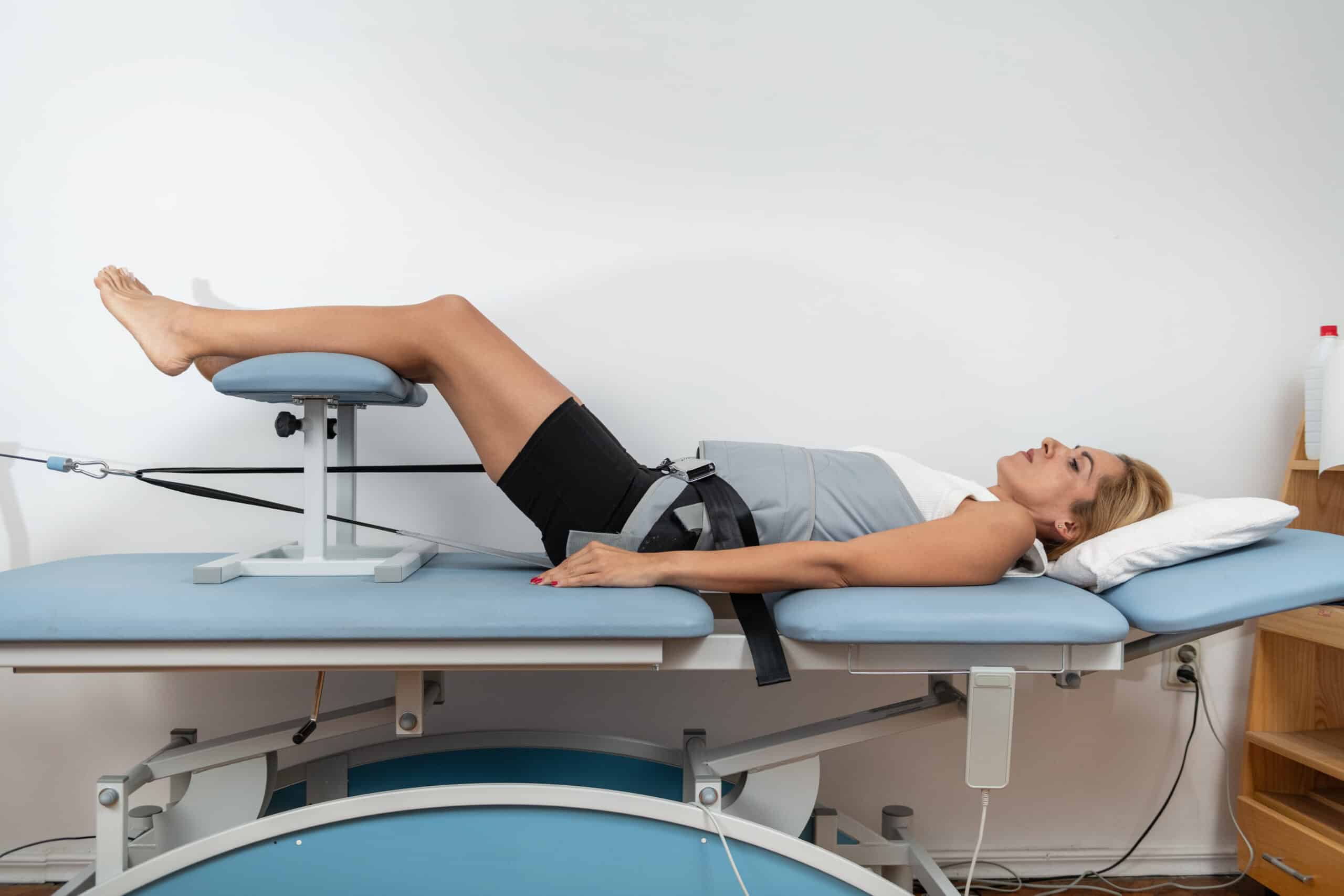
Spinal Decompression in Baxter
Living with chronic back pain, herniated discs, or sciatica can affect every part of your day—from sitting at your desk to playing with your kids. If you’re in Baxter, MN, and looking for a non-surgical, drug-free solution, spinal decompression therapy at Minnesota Regenerative Institute may be exactly what your spine needs.
What Is Spinal Decompression?
Spinal decompression is a gentle, computer-guided therapy that uses controlled traction to relieve pressure on spinal discs and nerves. It’s designed to create space between vertebrae, allowing bulging or herniated discs to retract and promoting natural healing of spinal tissues.
Unlike surgery or long-term medications, spinal decompression targets the root cause of your back or leg pain without the risks or side effects.
Conditions That May Benefit from Spinal Decompression:
- Herniated or bulging discs
- Sciatica (radiating leg pain)
- Degenerative disc disease
- Spinal stenosis
- Pinched nerves
- Chronic lower back pain
How Spinal Decompression Works
During a spinal decompression session, you lie comfortably on a specialized table while the system gently stretches and relaxes your spine in a series of precise cycles. This reduces pressure on discs and nerves, enhances circulation, and encourages your body to heal.
Each treatment is painless, and many patients find it relaxing. Over a series of visits, the therapy helps reposition discs, relieve nerve pressure, and improve overall spinal health.
Why Baxter Residents Are Choosing Non-Surgical Solutions
Many of our patients in the Baxter area come to us after being hearing surgery is their only option. But with spinal decompression, we’re helping them avoid invasive procedures and finally get relief that lasts.
Customized Spinal Care in Baxter, MN
At Minnesota Regenerative Institute, we combine spinal decompression with comprehensive care plans that may also include chiropractic care, rehabilitative exercises, and other regenerative therapies. Every plan is tailored to your unique condition and goals.
Find Natural Relief Today
If you’re suffering from disc pain, sciatica, or chronic back discomfort, you don’t have to keep living in pain—or relying on medications. Contact Minnesota Regenerative Institute in Baxter, MN, to find out if spinal decompression therapy is right for you.
Learn More
The Role of Regenerative Medicine in Treating Chronic Pain
Regenerative medicine includes a variety of techniques that aim to restore the structure and function of damaged tissues and organs. The core principle of regenerative medicine is stimulating the body’s natural healing mechanisms to promote recovery and regeneration. At Minnesota Regenerative Institute, we focus on using advanced therapies to treat chronic pain caused by musculoskeletal injuries, arthritis, tendon and ligament damage, and more.
Why Choose Regenerative Medicine for Chronic Pain?
Traditional treatments for chronic pain, such as painkillers, steroids, or surgery, often only provide temporary relief and can come with risks of side effects or complications. Regenerative medicine, on the other hand, offers a more natural and long-lasting solution by addressing the underlying cause of pain and stimulating the body’s own healing mechanisms. Here are some key reasons why regenerative medicine may be a better option for managing chronic pain:
- Minimally Invasive
Regenerative treatments are typically non-surgical and require little to no recovery time. Most procedures are performed as outpatient treatments, allowing you to return to normal activities quickly. - Reduced Dependency on Medications
Many chronic pain sufferers rely on long-term pain medications, which can have side effects, including dependency. Regenerative treatments offer an alternative that reduces the need for painkillers and provides long-term relief. - Promotes Natural Healing
Regenerative therapies work by stimulating your body’s natural ability to heal, helping to repair damaged tissues and reduce inflammation. This results in more sustainable pain relief and better long-term outcomes. - Potential for Long-Lasting Relief
Because regenerative treatments promote tissue regeneration, they offer a more durable solution for chronic pain, potentially eliminating the need for future interventions like surgery or ongoing medication.
Is Regenerative Medicine Right for You?
If you suffer from chronic pain due to conditions like arthritis, tendon injuries, joint degeneration, or ligament damage, regenerative medicine may be a viable treatment option for you. At Minnesota Regenerative Institute, we provide personalized assessments and treatments tailored to your specific needs. We work closely with you to create a customized plan to manage your pain and improve your quality of life.
Contact Minnesota Regenerative Institute today to schedule a consultation and learn how regenerative medicine can help restore your health, reduce chronic pain, and improve your overall well-being. With the latest advancements in regenerative therapies, we are committed to providing natural, effective pain relief that can help you get back to living your life.
Learn More
We are now the Minnesota Regenerative Institute.
Thank you to all those who have visited HealthSource of Baxter, as you can see, we have rebranded our location name to Minnesota Regenerative Institute. We are at the same location with the same attentive staff. We look forward to seeing you soon.
We look forward to speaking with you soon.
We are still located at 7818 Excelsior Rd. Suite 100 Baxter, MN.
Questions? Call us today at 218-454-8005
Learn More