

Why Lingering Injuries Hurt More in Winter
If old injuries seem to ache more once the temperature drops, you’re not imagining it. Many people notice increased pain, stiffness, and limited mobility during winter — especially in areas affected by past injuries. Cold weather can intensify symptoms and slow recovery, making lingering injuries harder to ignore.
At Minnesota Regenerative Institute, we help patients understand why winter makes pain worse and how regenerative medicine can support healing when traditional approaches fall short.
Cold Temperatures Increase Stiffness
Cold weather causes muscles, tendons, and ligaments to tighten. When soft tissues lose flexibility, joints don’t move as smoothly. This stiffness can place extra stress on areas that were previously injured, leading to discomfort and reduced range of motion.
Injured tissue is often already less resilient than healthy tissue, so it reacts more strongly to temperature changes. Even minor movements can feel more painful when tissues are tight and less elastic.
Reduced Blood Flow Slows Healing
Cold temperatures cause blood vessels to constrict, which limits circulation. Good blood flow is essential for delivering oxygen and nutrients that support tissue repair. When circulation decreases, healing slows — and pain signals may increase.
For people with chronic injuries, this reduced circulation can mean lingering inflammation sticks around longer, making symptoms more noticeable throughout winter.
Changes in Air Pressure Can Affect Joints
Seasonal drops in barometric pressure may contribute to joint discomfort. When pressure changes, tissues surrounding joints can expand slightly, increasing pressure within the joint space. Areas with prior damage or inflammation tend to be more sensitive to these shifts.
This is why old injuries often “predict the weather” before storms or cold fronts arrive.
Less Movement Makes Pain Worse
Winter often leads to more time indoors and less physical activity. Reduced movement can cause joints to stiffen and muscles to weaken — both of which increase pain over time.
While rest is important, too much inactivity allows lingering injuries to tighten and lose strength, creating a cycle of stiffness and discomfort that’s hard to break.
Inflammation Lingers Longer in Winter
Cold weather doesn’t cause inflammation, but it can make existing inflammation more noticeable. Past injuries often leave behind low-grade inflammation that flares up under stress. Winter habits like poor posture, inactivity, and cold exposure can amplify those symptoms.
Over-the-counter pain relievers may temporarily mask discomfort, but they don’t address the underlying tissue damage.
How Regenerative Medicine Can Help
Regenerative treatments focus on supporting the body’s natural healing processes rather than simply managing symptoms. By targeting damaged tissue directly, regenerative therapies aim to reduce inflammation, improve circulation, and promote long-term healing.
These treatments are especially helpful for injuries that haven’t responded to rest, physical therapy, or medications alone.
Don’t Let Winter Control Your Comfort
Lingering injuries don’t have to define your winter. Understanding why pain worsens this time of year allows you to take proactive steps toward relief and recovery.
At Minnesota Regenerative Institute, we specialize in helping patients find lasting solutions for chronic pain and old injuries. If winter is making your discomfort harder to manage, now is the time to explore options that support healing — not just temporary relief.
Schedule a consultation and take control of your comfort this season.
Learn More
Why Cold Weather Makes Joint and Nerve Pain Feel Worse
If you’ve ever noticed your joint or nerve pain flares up when temperatures drop, you’re not imagining it. For many people in Minnesota, cold weather can make chronic pain conditions feel more intense, more frequent, and harder to manage. At Minnesota Regenerative Institute, we often hear from patients who experience worsening discomfort during the colder months—and there are real physiological reasons behind it.
Understanding why cold weather affects pain can help you take proactive steps toward relief.
How Cold Temperatures Affect the Body
Cold weather causes several changes in the body that can directly impact joints, muscles, and nerves. When temperatures drop, blood vessels naturally constrict to conserve heat. While this is a normal response, reduced blood flow can lead to increased stiffness and sensitivity in affected areas.
Cold weather may contribute to:
- Joint stiffness and reduced flexibility
- Increased muscle tension
- Heightened nerve sensitivity
- Slower circulation to injured or inflamed tissues
These changes can make existing pain conditions feel more pronounced.
Why Joint Pain Often Worsens in Cold Weather
Many patients with arthritis, old injuries, or degenerative joint conditions report increased pain during colder months. Lower temperatures can cause the fluid inside joints to thicken, making movement more difficult and uncomfortable.
Additionally, barometric pressure changes—which often accompany cold weather—may affect the pressure inside joints, leading to increased discomfort or aching sensations.
Common joint conditions affected by cold weather include:
- Osteoarthritis
- Rheumatoid arthritis
- Degenerative joint disease
- Prior joint injuries
Cold Weather and Nerve Pain
Nerve pain can also intensify during colder months. Cold temperatures can increase nerve sensitivity, especially in individuals with conditions such as neuropathy, sciatica, or nerve compression.
When muscles tighten in response to cold, they may place additional pressure on surrounding nerves, triggering symptoms such as:
- Sharp or shooting pain
- Tingling or numbness
- Burning sensations
- Increased sensitivity to touch
For many patients, this makes winter one of the most challenging seasons for managing nerve-related pain.
Reduced Activity Can Make Pain Worse
Cold weather often leads to less movement and physical activity. While resting may seem helpful, prolonged inactivity can actually worsen joint stiffness and muscle tightness, contributing to increased pain over time.
Staying gently active helps:
- Maintain joint mobility
- Improve circulation
- Reduce stiffness
- Support overall musculoskeletal health
How Regenerative Medicine May Help
At Minnesota Regenerative Institute, we focus on advanced regenerative therapies designed to support the body’s natural healing processes. These treatments may help address the underlying causes of joint and nerve pain rather than simply masking symptoms.
Regenerative approaches are often used to:
- Reduce inflammation
- Support tissue repair
- Improve joint function
- Promote long-term pain relief
Our personalized treatment plans are designed to help patients stay active and comfortable—no matter the season.
Take Control of Pain This Winter
Cold weather doesn’t have to mean months of increased pain. If joint or nerve discomfort is interfering with your daily life, exploring advanced treatment options may help you find lasting relief.
The team at Minnesota Regenerative Institute is here to help you understand your pain and explore solutions tailored to your needs—so you can stay comfortable, mobile, and confident throughout Minnesota winters.
Learn More
Winter Pain Flare-Ups: Why Cold Weather Makes Joint & Nerve Pain Worse
For many people, winter doesn’t just mean colder temperatures—it also means increased joint stiffness, nerve pain, and lingering discomfort. If your knees ache more, your back feels stiffer, or nerve pain flares up as the weather changes, you’re not imagining it. Cold weather can significantly impact how your body feels, especially if you have joint degeneration, arthritis, or nerve-related conditions.
At Minnesota Regenerative Institute, we help patients understand why winter pain flare-ups happen and how to manage them effectively.
How Cold Weather Affects Joints and Nerves
Cold temperatures can influence your body in several ways:
Reduced Blood Flow
Cold causes blood vessels to constrict, limiting circulation to muscles, joints, and nerves. Reduced blood flow can increase stiffness, slow tissue healing, and intensify pain signals.
Increased Muscle Tension
In colder weather, muscles naturally tighten to conserve heat. This added tension can place more stress on joints and compress nearby nerves, worsening pain and stiffness.
Changes in Barometric Pressure
Many people notice increased pain when barometric pressure drops. Changes in atmospheric pressure can cause tissues around joints to expand, putting pressure on sensitive nerves and inflamed areas.
Less Movement
Winter often leads to reduced physical activity. Less movement can cause joints to stiffen, muscles to weaken, and pain to become more noticeable.
Why Joint Pain Worsens in Winter
Individuals with conditions such as osteoarthritis, rheumatoid arthritis, or prior joint injuries may experience increased symptoms during colder months. Joint cartilage may become less flexible in the cold, making movement more uncomfortable.
Weight gain during winter and reduced activity levels can also place additional stress on joints, particularly the knees, hips, and lower back.
Why Nerve Pain Can Flare Up
Cold weather can heighten nerve sensitivity, especially for those with conditions like sciatica, neuropathy, or nerve compression. Tight muscles and inflamed tissues can irritate nerves, leading to symptoms such as tingling, numbness, burning, or sharp pain.
Tips to Manage Winter Pain
While winter pain may be common, it doesn’t have to control your life:
- Stay active with low-impact movement
- Keep joints and muscles warm
- Stretch regularly to improve flexibility
- Maintain proper hydration and nutrition
- Practice good posture and ergonomic habits
These steps can help reduce stiffness and improve comfort.
When to Seek Professional Care
If winter pain becomes persistent, worsens, or interferes with daily activities, it’s important to seek professional evaluation. Ongoing joint and nerve pain may indicate underlying degeneration or inflammation that requires targeted care.
Advanced Options for Long-Term Relief
Regenerative medicine focuses on addressing the root cause of pain rather than just masking symptoms. Treatments may help reduce inflammation, support tissue repair, and improve joint function.
At Minnesota Regenerative Institute, we offer advanced, non-surgical options designed to help patients find lasting relief from chronic joint and nerve pain—especially during the challenging winter months.
Feel Better All Season Long
Cold weather may be unavoidable, but long-term pain doesn’t have to be. Understanding why winter flare-ups occur is the first step toward reclaiming comfort and mobility.
If joint or nerve pain is holding you back this winter, contact Minnesota Regenerative Institute to schedule a consultation and explore personalized treatment options designed to help you move and feel better year-round.
Learn More
Fall Back into Alignment: How Seasonal Changes Affect Your Joints and Spine
As autumn arrives in Minnesota, the air gets crisper, the leaves start to fall, and many people begin to notice something else — more stiffness, joint aches, and back discomfort. If you’ve ever felt your body “tighten up” as the temperature drops, you’re not imagining it. Changes in the weather can have a real impact on your spine, muscles, and joints. At Minnesota Regenerative Institute in Baxter, MN, our team helps patients stay active and pain-free all year long by addressing how the body responds to these seasonal changes.
Let’s explore how fall weather affects your body — and what you can do to stay comfortable, flexible, and aligned this season.
Why Seasonal Changes Impact Your Joints and Spine
When temperatures drop and barometric pressure fluctuates, the tissues and fluids in your joints respond. Many people with arthritis, old injuries, or back problems notice their discomfort increases when the weather changes.
Here’s why that happens:
- Barometric Pressure Drops
Lower atmospheric pressure can cause joints and soft tissues to expand slightly, creating tension and discomfort—especially in already inflamed or sensitive areas. - Cooler Temperatures Tighten Muscles
Cold weather naturally causes muscles to contract, reducing flexibility and increasing the risk of strains or spasms. - Less Physical Activity
As the days get shorter and cooler, many people become less active. Reduced movement can cause stiffness, joint pain, and poor circulation. - Postural Changes
Whether you’re raking leaves, sitting at your desk more often, or curling up on the couch with a blanket, fall habits can lead to slouching and misalignment in the spine.
Your body’s ability to adapt to these changes depends on one key thing: how well your musculoskeletal and nervous systems are functioning. That’s where chiropractic and regenerative care can make all the difference.
How Chiropractic and Regenerative Care Help
At Minnesota Regenerative Institute, we take a holistic approach to health by combining chiropractic adjustments, regenerative therapies, and functional rehabilitation to restore balance and reduce pain naturally.
Here’s how our care can help you transition through the season with comfort and ease:
1. Restores Alignment
Fall activities like yardwork, hiking, or even long hours at a computer can lead to spinal misalignments that cause pain and tension. Chiropractic adjustments realign the spine, relieve nerve pressure, and improve mobility — helping your body move more freely as temperatures drop.
2. Improves Circulation
Adjustments and soft tissue therapies promote better blood flow, delivering oxygen and nutrients to joints and muscles. Improved circulation helps reduce inflammation and stiffness that often worsen in colder weather.
3. Reduces Inflammation Naturally
Our regenerative treatments, including platelet-rich plasma (PRP) and cell-based therapies, target the source of chronic inflammation and support your body’s natural healing process — without relying on medication or surgery.
4. Enhances Flexibility and Function
Our care plans often include rehabilitative exercises to strengthen supporting muscles and improve joint function. This keeps your body strong and stable through seasonal transitions.
5. Boosts Overall Wellness
When your spine and nervous system function properly, your entire body benefits — from your posture and energy levels to your immune health and mood.
Fall Activities That Can Strain Your Back and Joints
Fall in Minnesota is beautiful, but certain seasonal tasks can put extra strain on your body. Be mindful during these common activities:
- Raking leaves: Twisting and bending repeatedly can lead to lower back strain. Try using your legs instead of your back, and take frequent breaks.
- Yard cleanup: Lifting heavy bags or equipment can compress your spine if you’re not using proper posture.
- Outdoor sports: Activities like football, hiking, and hunting can cause falls or repetitive joint stress if your body isn’t conditioned.
- Cool-weather chores: Even shoveling early-season snow or cleaning gutters can trigger back pain if muscles are tight.
Taking preventive measures—like stretching, staying hydrated, and maintaining regular chiropractic visits—can help reduce your risk of pain and injury this season.
Fall Self-Care Tips for Healthy Joints and a Strong Spine
To stay active and pain-free this fall, try incorporating these healthy habits:
- Warm Up Before Activities: A few minutes of stretching increases flexibility and helps prevent injury.
- Dress Warmly: Keep your muscles and joints insulated to reduce stiffness.
- Stay Hydrated: Even in cool weather, hydration supports joint lubrication and muscle recovery.
- Practice Good Posture: Keep your spine aligned whether you’re raking, driving, or working from home.
- Move Often: Don’t let shorter days lead to sedentary habits — take breaks to stretch or walk.
- Schedule Routine Care: Regular chiropractic and regenerative visits help your body adapt to the seasonal changes before pain sets in.
Why Choose Minnesota Regenerative Institute
At Minnesota Regenerative Institute, our mission is to help patients live active, pain-free lives using advanced, non-surgical treatments. We combine the latest in regenerative medicine with proven chiropractic and rehabilitation techniques to address the root cause of pain — not just mask symptoms.
Whether you’re dealing with chronic back pain, arthritis, or stiffness that seems to flare up every fall, our team will create a personalized care plan designed to restore your health and function naturally.
We proudly serve Baxter, Brainerd, and surrounding Minnesota communities with compassionate care that helps patients regain confidence in their movement and quality of life.
Fall Back Into Alignment Today
Don’t let the season slow you down. If you’re feeling stiff, sore, or out of balance, fall is the perfect time to realign your spine and restore your mobility.
Call Minnesota Regenerative Institute today to schedule your consultation and discover how our chiropractic and regenerative treatments can help you move comfortably through every season.
Your body deserves to feel as strong and resilient as ever — no matter what the weather brings.
Learn More
Joint Health Matters: Protecting Knees, Shoulders, and Hips
From running errands to working out, your knees, shoulders, and hips do a lot of heavy lifting—literally and figuratively. When these major joints are healthy, movement feels effortless. But when pain, stiffness, or inflammation sets in, even simple activities can become a challenge. At Minnesota Regenerative Institute in Baxter, MN, we help patients protect, restore, and strengthen their joints naturally—so they can stay active and live pain-free.
Understanding Joint Health
Your joints act as the body’s hinges—connecting bones, supporting movement, and absorbing impact. Over time, everyday wear and tear, repetitive movements, injuries, or chronic inflammation can cause the cartilage within joints to break down. This leads to stiffness, discomfort, and sometimes arthritis or reduced mobility.
Common joint issues include:
- Knee pain: Often caused by osteoarthritis, ligament injuries, or overuse.
- Shoulder pain: Frequently linked to rotator cuff injuries or joint instability.
- Hip pain: May result from joint degeneration, labral tears, or inflammation.
How to Protect Your Joints Long-Term
Joint health doesn’t decline overnight—it’s a gradual process influenced by lifestyle, activity levels, and overall body alignment. Here are a few ways to keep your knees, shoulders, and hips in good shape:
1. Stay Active, But Move Smart
Low-impact exercises like swimming, cycling, or yoga help strengthen muscles without putting extra strain on joints. Strength training can also stabilize surrounding muscles, improving joint support and preventing injury.
2. Maintain a Healthy Weight
Excess weight increases stress on your knees and hips, accelerating joint wear. Maintaining a balanced diet and healthy weight can reduce pressure and inflammation.
3. Focus on Posture and Alignment
Proper body mechanics—especially during work, workouts, and daily tasks—help prevent unnecessary stress on joints. If you spend long hours sitting, make sure your chair and desk are ergonomically supportive.
4. Support Your Body with Nutrition
Anti-inflammatory foods like salmon, walnuts, berries, and leafy greens can help reduce joint inflammation. Staying hydrated also keeps cartilage lubricated and healthy.
5. Address Pain Early
Don’t ignore early signs of stiffness, swelling, or reduced range of motion. The sooner you address joint discomfort, the better your chances of preventing long-term damage.
Advanced Solutions for Joint Pain Relief in Baxter, MN
At Minnesota Regenerative Institute, we specialize in non-surgical, drug-free solutions designed to help your body heal naturally. Our personalized treatments focus on:
- Reducing inflammation
- Improving joint mobility
- Restoring function and stability
- Promoting long-term pain relief
Using cutting-edge regenerative and rehabilitative therapies, we help patients regain movement and quality of life—without relying on pain medications or surgery.
When to Seek Professional Help
If you experience ongoing pain, swelling, or limited mobility in your knees, shoulders, or hips, it’s time to talk to a specialist. Ignoring symptoms can lead to worsening damage and reduced function over time. Our team at Minnesota Regenerative Institute will evaluate your condition and develop a customized treatment plan to get you back to doing what you love—comfortably.
Take the First Step Toward Healthier Joints
Don’t let joint pain slow you down. Whether you’re an athlete, weekend warrior, or simply want to move freely again, Minnesota Regenerative Institute can help you protect and restore your joints naturally.
Located in Baxter, MN, we proudly serve patients throughout the Brainerd Lakes area.
Call us today to learn how our advanced therapies can help you achieve lasting relief and better joint health.
Learn More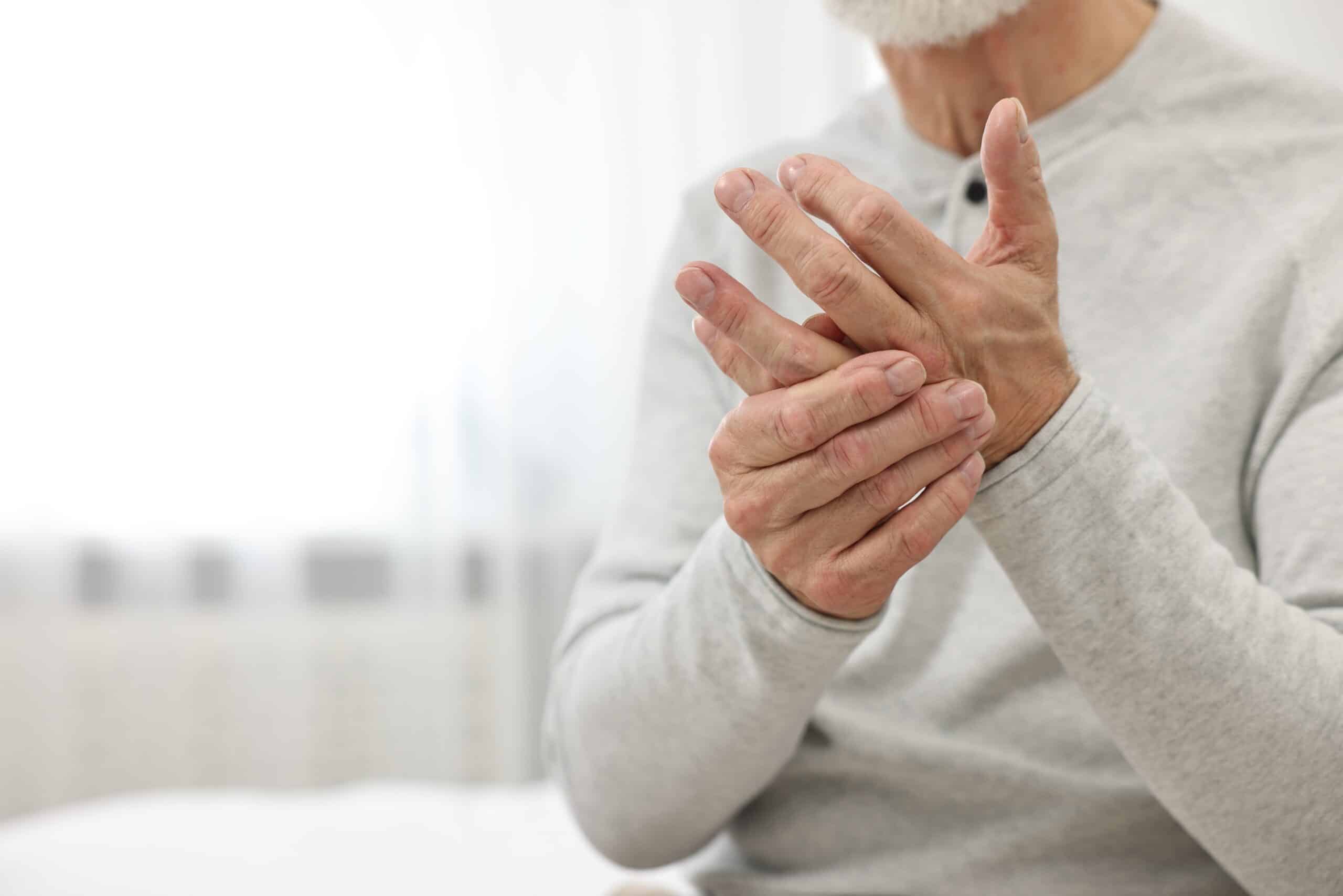
Non-Surgical Solutions for Joint Pain
Joint pain can interfere with everything: from walking up the stairs to enjoying your favorite hobbies. Whether caused by arthritis, overuse, injury, or age-related wear and tear, joint pain is one of the leading reasons people seek medical care. Many are told their only options are medication or surgery, but that’s not the whole story.
At Minnesota Regenerative Institute in Baxter, MN, we specialize in non-surgical, drug-free solutions that help restore mobility, reduce pain, and improve quality of life.
What is Joint Pain?
Joint pain refers to discomfort, soreness, or stiffness in one or more joints of the body. It can result from everyday wear and tear, injuries, arthritis, or inflammation. Pain may be mild and occasional, or it can become chronic and significantly impact mobility and quality of life. Understanding what’s causing joint pain is the first step in finding the right treatment and long-term relief.
Why Look Beyond Surgery or Medication?
Surgery can be invasive, costly, and require long recovery times. Medications may provide short-term relief, but they don’t address the root cause of pain and often come with side effects. Non-surgical options, on the other hand, focus on helping the body heal naturally—without downtime or dependence on drugs.
Non-Surgical Solutions for Joint Pain
1. Regenerative Medicine Therapies
Regenerative treatments are designed to stimulate the body’s natural healing processes. These therapies can help repair damaged tissues, reduce inflammation, and promote long-term pain relief.
2. Chiropractic Care
Misalignments in the spine and joints can contribute to pain and limited movement. Gentle chiropractic adjustments help restore alignment, improve mobility, and take pressure off painful joints.
3. Physical Rehabilitation
Targeted exercise and rehabilitation programs strengthen muscles, improve flexibility, and support joint stability. This approach not only reduces pain but also helps prevent future injuries.
4. Lifestyle & Wellness Coaching
Factors such as weight, posture, and activity levels all play a role in joint health. Our team provides personalized guidance to help patients make simple but impactful lifestyle changes that reduce stress on the joints.
The Benefits of a Non-Surgical Approach
- Faster recovery times compared to surgery
- Drug-free pain management with fewer side effects
- Personalized care plans tailored to your condition and goals
- Whole-body focus, not just symptom management
Get Back to the Life You Love
Joint pain doesn’t have to keep you from doing the things you enjoy. With non-surgical, natural solutions, it’s possible to move better, feel stronger, and live pain-free.
At Minnesota Regenerative Institute in Baxter, MN, we’re here to help you explore your options and create a care plan designed around your needs.
Call us today to schedule a consultation and take the first step toward lasting relief.
Learn More
Summer Joint Pain? Regenerative Medicine Can Help
Summer is a season of outdoor activities, family gatherings, and enjoying the beautiful Minnesota weather. But for many, joint pain can put a damper on these plans. Whether it’s arthritis flare-ups, lingering injuries, or chronic joint discomfort, summer joint pain can limit your mobility and reduce your quality of life.
At Minnesota Regenerative Institute, we specialize in cutting-edge regenerative medicine therapies designed to help you relieve joint pain, restore function, and get back to doing what you love. In this blog, we’ll explore why it can worsen in summer and how regenerative treatments offer a promising alternative to traditional therapies.
Why Does Joint Pain Often Flare Up in Summer?
It may seem surprising, but many people experience joint pain during summer months. Here are some common reasons why:
Increased Activity Levels
Warmer weather encourages more physical activity, from hiking and biking to gardening and sports. Overuse or repetitive motions can aggravate inflamed joints or old injuries.
Heat and Humidity
Heat and humidity can cause joints to swell and feel stiffer, especially for those with arthritis or inflammatory joint conditions.
Dehydration
Not drinking enough water can reduce the lubrication in your joints, leading to stiffness and discomfort.
Allergies and Inflammation
Seasonal allergies can contribute to systemic inflammation, potentially worsening joint pain.
What is Regenerative Medicine?
Regenerative medicine focuses on repairing and restoring damaged tissues and joints by stimulating your body’s natural healing processes. Instead of masking symptoms like traditional pain medications, regenerative therapies target the root cause of pain to promote long-term relief and healing.
How Can Regenerative Medicine Help Your Summer Joint Pain?
1. Reduce Inflammation and Pain Naturally
Regenerative therapies help reduce inflammation within the joint, which is a key cause of pain and stiffness.
2. Promote Tissue Repair and Regrowth
By encouraging your body to repair damaged cartilage and tendons, these treatments can improve joint function and mobility.
3. Minimize the Need for Surgery or Long-Term Medications
Many patients experience significant relief with regenerative medicine, reducing or eliminating the need for invasive procedures or chronic pain medications.
4. Faster Recovery and Improved Quality of Life
Because regenerative medicine uses your body’s own healing powers, recovery times can be shorter and results longer lasting.
Who Can Benefit From Regenerative Medicine?
- Individuals with osteoarthritis or rheumatoid arthritis
- Those with sports injuries or tendonitis
- Patients recovering from joint trauma or surgery
- Anyone seeking a non-surgical option
Take Control of Your Life This Summer
Don’t let joint pain stop you from enjoying your favorite summer activities in Minnesota. At Minnesota Regenerative Institute, we offer personalized regenerative medicine treatments tailored to your unique needs.
Our expert team will evaluate your condition, discuss your goals, and create a treatment plan aimed at reducing pain and restoring mobility.
Schedule a Consultation at Minnesota Regenerative Institute
Ready to experience relief and regain your active lifestyle? Contact Minnesota Regenerative Institute today!
Learn More